
 EN
EN
 ar
ar bg
bg hr
hr cs
cs da
da nl
nl fi
fi fr
fr de
de el
el hi
hi it
it ko
ko no
no pl
pl pt
pt ro
ro ru
ru es
es sv
sv tl
tl iw
iw id
id lv
lv lt
lt sr
sr sk
sk sl
sl uk
uk vi
vi et
et hu
hu th
th tr
tr fa
fa ms
ms hy
hy ka
ka ur
ur bn
bn mn
mn ta
ta kk
kk uz
uz ku
ku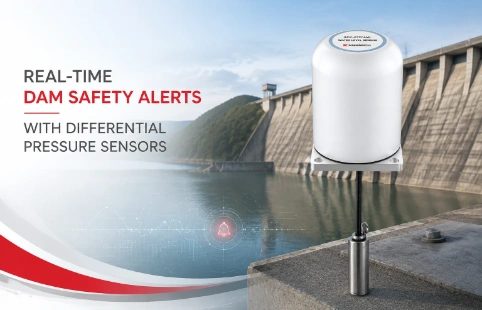
Real-Time Dam Safety Alerts with Differential Pressure Water Level Sensors
Key Takeaways An alert chain needs more than a sensor: define field in...

Tiltmeter Sensors for Precise Inclination Monitoring
When a retaining wall shifts by just a few millimeters, knowing about it early can save a project. That’s where tiltmeter sensors come in. For geotechnical engineers, precise inclination data isn’t a luxury — it’s the difference between proactive maintenance and unexpected failure. Kingmach designs and manufactures tiltmeter sensors that plug into real monitoring workflows. Rather than chasing specs for marketing brochures, we focus on what matters: repeatable measurements, long-term stability, and compatibility with data loggers and SCADA systems already used on site. Our range covers everything from single-axis units for simple slope monitoring to biaxial models that track movement in two planes simultaneously. Because every site has different wiring, mounting, and output requirements, we keep customization straightforward — terminal box options, cable lengths, and communication protocols can be adapted without long lead times. With distribution points across multiple continents and a support team that understands geotechnical instrumentation, Kingmach helps consulting engineers, contractors, and asset managers get the data they need to make informed decisions. What follows is a closer look at how our tiltmeter sensors are built, what sets them apart in daily use, and why engineers keep coming back for their next project.
Technical Detail
Kingmach tiltmeter sensors are part of a broader geotechnical instrument range that includes piezometers, inclinometers, and settlement systems. This means the sensor you specify today can integrate easily with other monitoring points on the same project. The sensing element is typically a MEMS accelerometer or electrolytic level — both technologies have their place, and we guide you to the right one based on expected tilt ranges and environmental conditions. Housings are stainless steel or anodized aluminum, sealed to IP67 or higher, so they survive in boreholes, open slopes, and concrete pours. Output options include 4-20 mA, RS485, and voltage variations, allowing direct connection to most data loggers without extra signal conditioning. One overlooked detail is the mounting base: we ship each sensor with a precisely machined base plate that speeds up alignment and reduces installation errors. For projects where off-the-shelf dimensions don’t fit, our engineering team adjusts flange patterns, bolt holes, and cable exits. This isn’t about charging a premium — it’s about avoiding field modifications that compromise accuracy. Calibration certificates come standard, showing linearity and hysteresis across the full measurement range. Because we manufacture in-house, we can also pre-wire junction boxes and pigtails so that your crew simply plugs and plays. After the sale, technical support is handled by staff who have spent time on construction sites and understand that a phone call at 10 p.m. from a dam safety engineer isn’t a nuisance — it’s part of the job. A global distributor network means spare parts and service are never far away, whether your project is in Southeast Asia or South America. Ultimately, choosing a tiltmeter sensor comes down to more than just a datasheet: it’s about knowing the supplier will be around for the next phase of the project and the one after that.
News
Key Takeaways An alert chain needs more than a sensor: define field in...
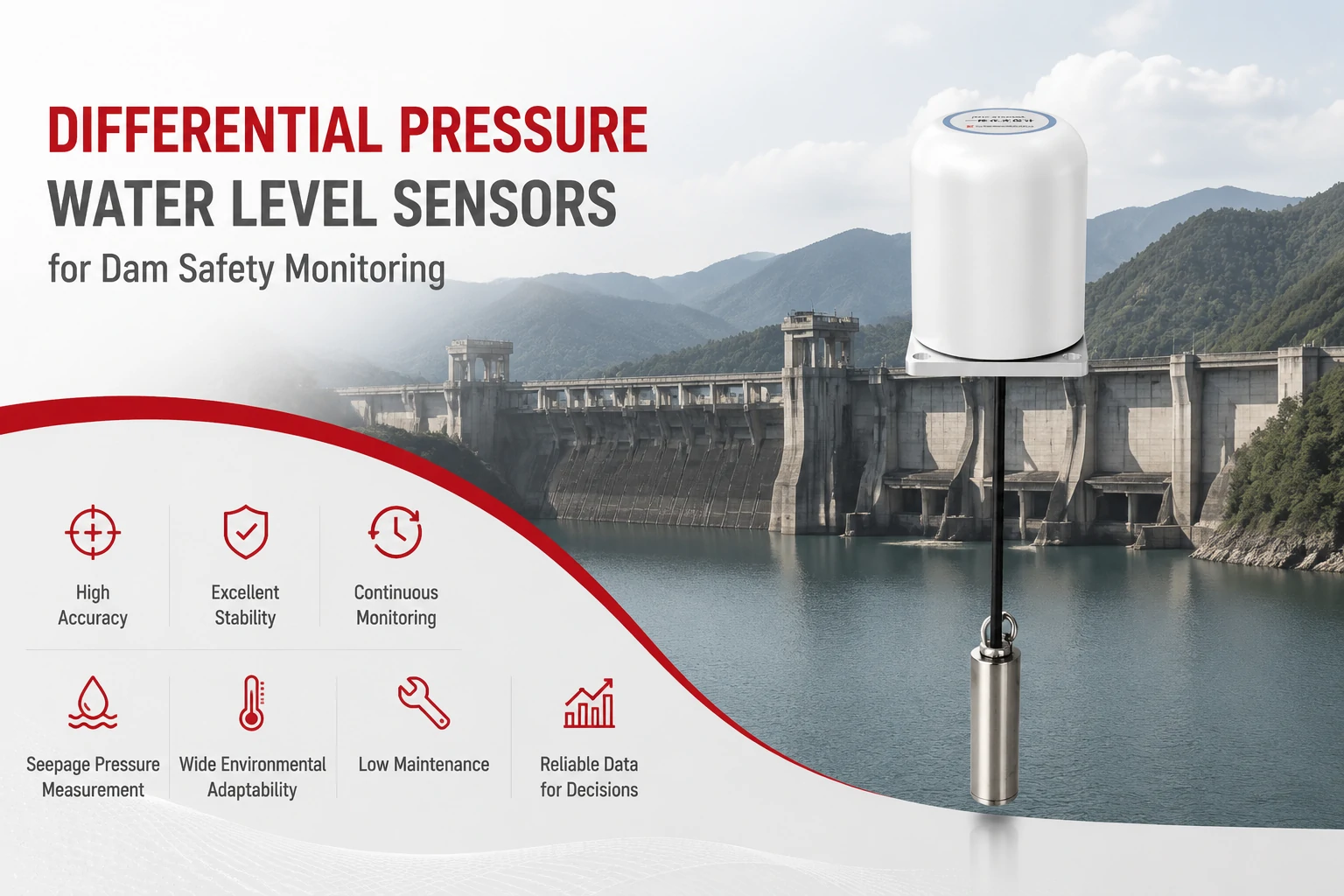
Key Takeaways The strongest fit is usually a confined, submerged, or s...
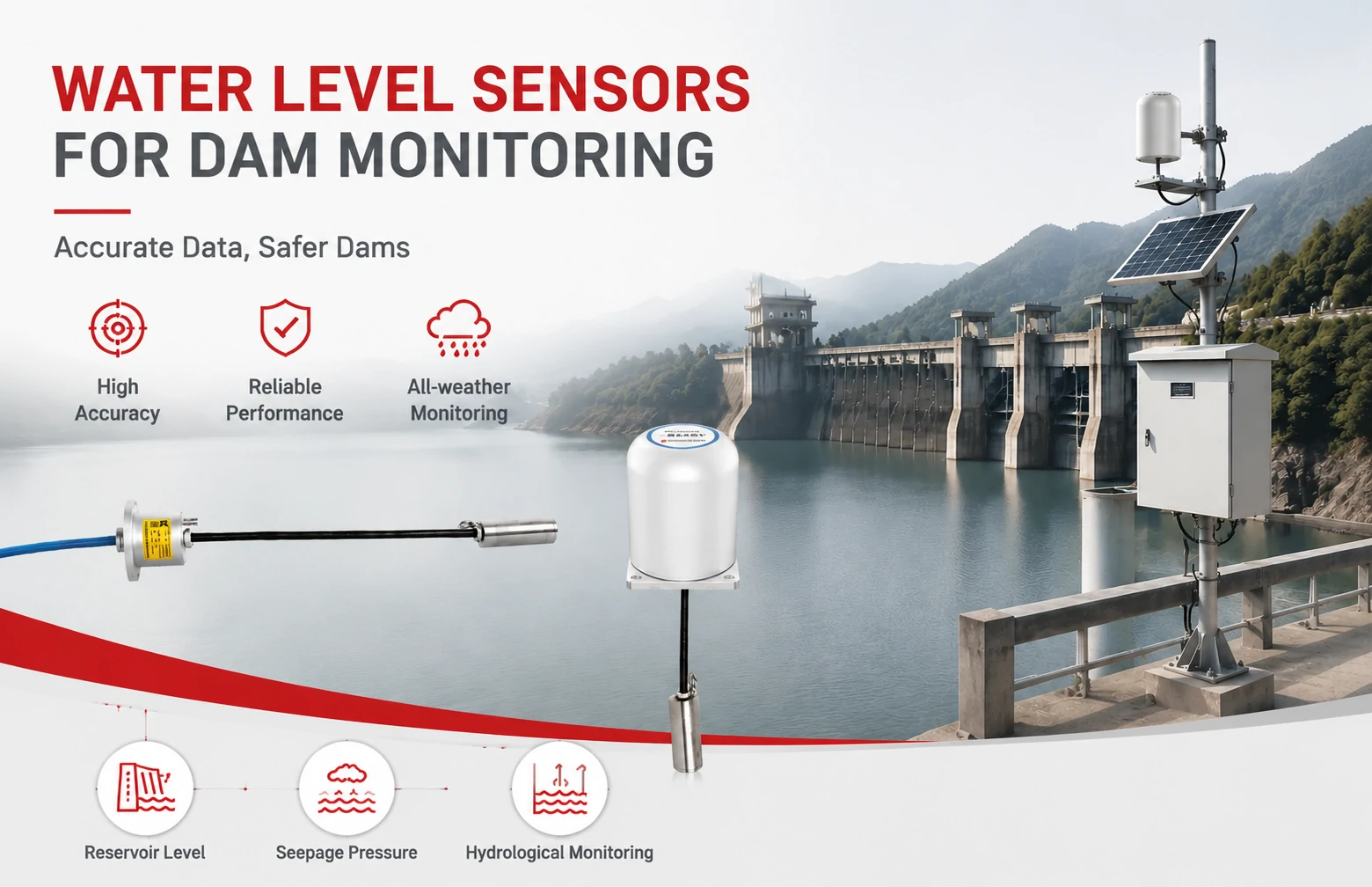
Kingmach Water Level Sensors for Dam Monitoring: A Buyer's Guide to Differential Pre...
Products
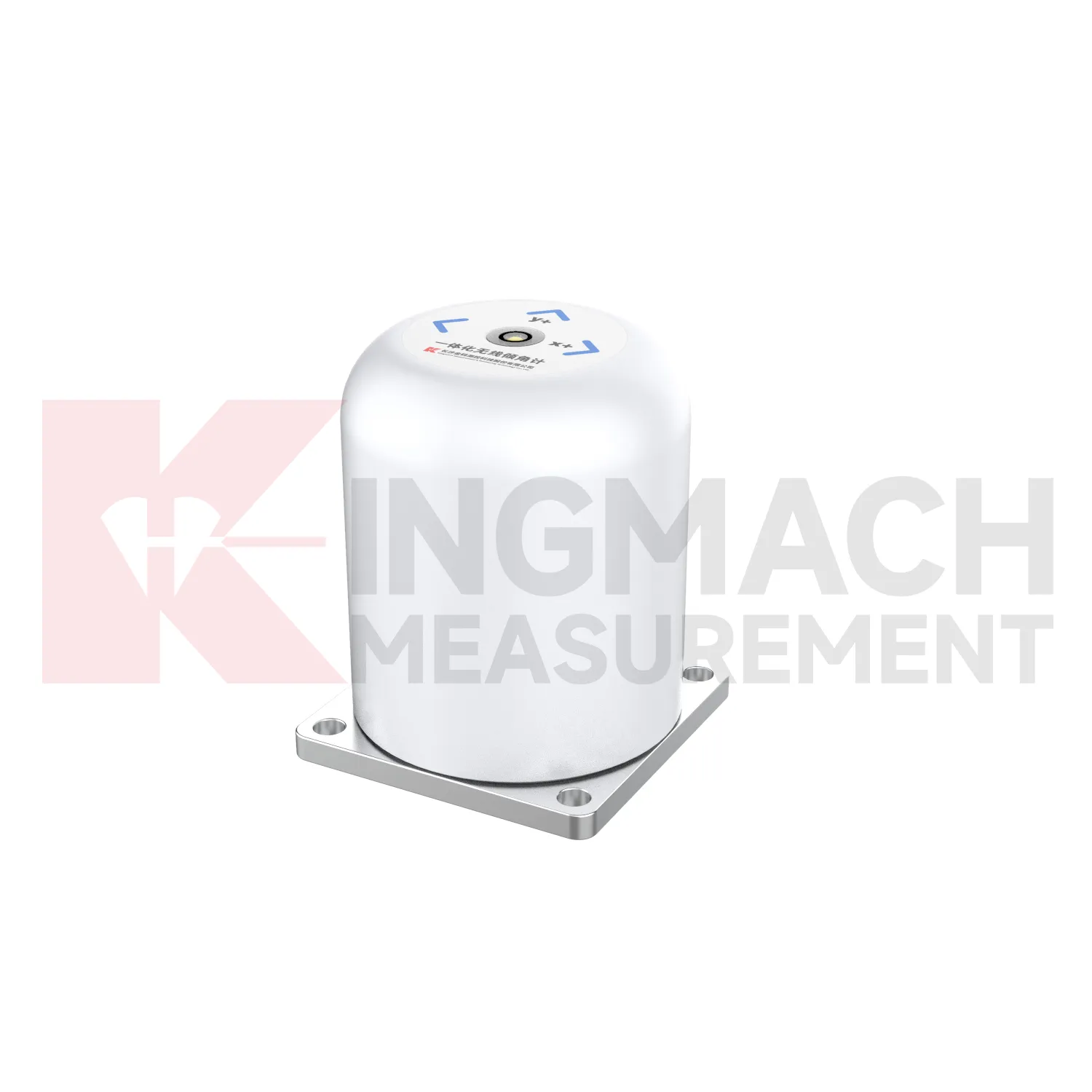
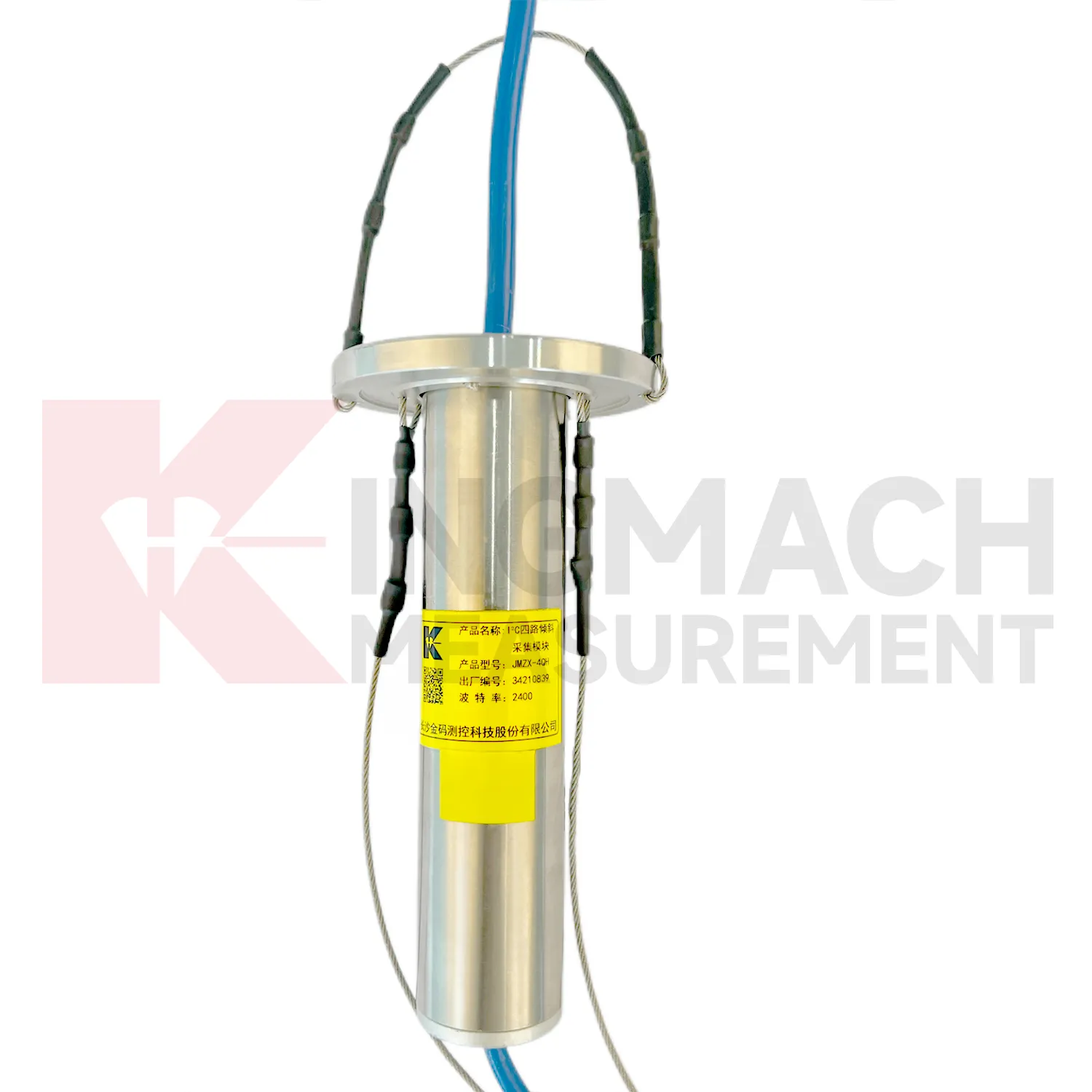
I²C 4-Channel Inclination Acquisition Module JMZX-4QH
View Details
FAQ
In our experience, with proper installation and no direct physical damage, electrolytic tiltmeters can last a decade or more when sealed well. MEMS units have no mechanical wear, so their electronics typically fail before the sensing element does. We see units returning for recalibration after 8-10 years with drift well within specification.
Yes, most of our sensors can be ordered with 4-20 mA or voltage outputs that connect directly to Campbell loggers. If your system uses SDI-12, we can provide a compatible version — just specify that when you ask for a quote.
Each sensor leaves our factory with a calibration certificate, and we recommend an annual check if the data is safety-critical. We can handle recalibration at our facility, and for large projects we can arrange on-site verification with a tilt table.
For standard configurations, we usually ship within 4-6 weeks for volumes up to 500 units. Custom outputs or connectors might add two weeks. We’ll give you a firm schedule once we know the exact specs.
We offer intrinsically safe versions with ATEX and IECEx certification on request. These require matching safety barriers, which we can also supply as a kit.
Share your product type, target capacity, and application requirements. Our team can review the details and recommend a practical next step.
If you are interested in our products or want to become our partner.
Please leave your contact information, our team will contact you as soon as possible.
Mail: [email protected]
Contact Us: +8613808434127
Address: No. 188 Tongzipo West Rd, Changsha, Hunan, China