
 EN
EN
 ar
ar bg
bg hr
hr cs
cs da
da nl
nl fi
fi fr
fr de
de el
el hi
hi it
it ko
ko no
no pl
pl pt
pt ro
ro ru
ru es
es sv
sv tl
tl iw
iw id
id lv
lv lt
lt sr
sr sk
sk sl
sl uk
uk vi
vi et
et hu
hu th
th tr
tr fa
fa ms
ms hy
hy ka
ka ur
ur bn
bn mn
mn ta
ta kk
kk uz
uz ku
ku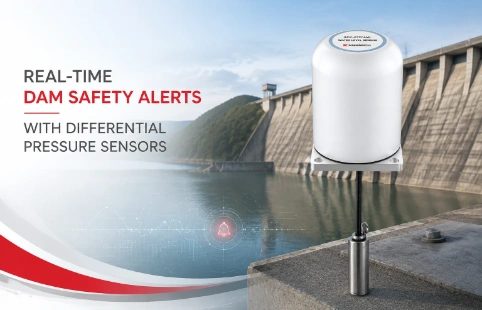
Real-Time Dam Safety Alerts with Differential Pressure Water Level Sensors
Key Takeaways An alert chain needs more than a sensor: define field in...

Strain Gauge Sensor Applications: Practical Insights for Engineers
A tunnel lining shows hairline cracks six months after construction. The operator suspects ongoing deformation but needs data, not guesses. Strain gauge sensors embedded in the concrete answer that need, turning invisible stress into measurable readings. At Kingmach, we have spent years equipping engineers with instruments that handle these exact situations—whether it is a bridge pier slowly shifting or a deep excavation threatening adjacent structures. Our strain gauge sensors get used in projects where assumptions are not good enough, from simple bending-beam setups to multi-axial borehole arrays. This article walks through the real-world strain gauge sensor application cases that civil and geotechnical engineers face daily, and how the right hardware and support make sense of the data.
Technical Detail
Strain gauges are not just lab curiosities—they are bolted onto steel piles, grouted into rock, and welded to pipelines. Kingmach supplies a full range of resistive and vibrating wire strain gauges, each built for different field conditions. For surface strain gauge sensor application, we often recommend arc-weldable gauges that survive rough installation and long-term corrosion. In concrete structures, embedment gauges with built-in thermistors help separate stress from temperature shifts. These are not novel concepts, but the reliability of bonding, waterproofing, and signal stability separates a useful dataset from a noisy log. Our engineers routinely assist with gauge selection, from fatigue monitoring on crane rails to crack-width tracking in historic masonry. The wide product range means a single project can source spot-weldable foil gauges, long-gauge displacement sensors, and multi-point borehole extensometers from one supplier. Customization is standard—unusual lead lengths, special mounting blocks, or extended temperature compensation. We know that a strain gauge sensor application rarely fits a catalog description perfectly. That is why we offer direct technical support: reviewing installation drawings, suggesting wiring schemes, and troubleshooting data fluctuations. With distribution partners in over 20 countries, local stock and calibration usually keep site delays minimal.
News
Key Takeaways An alert chain needs more than a sensor: define field in...
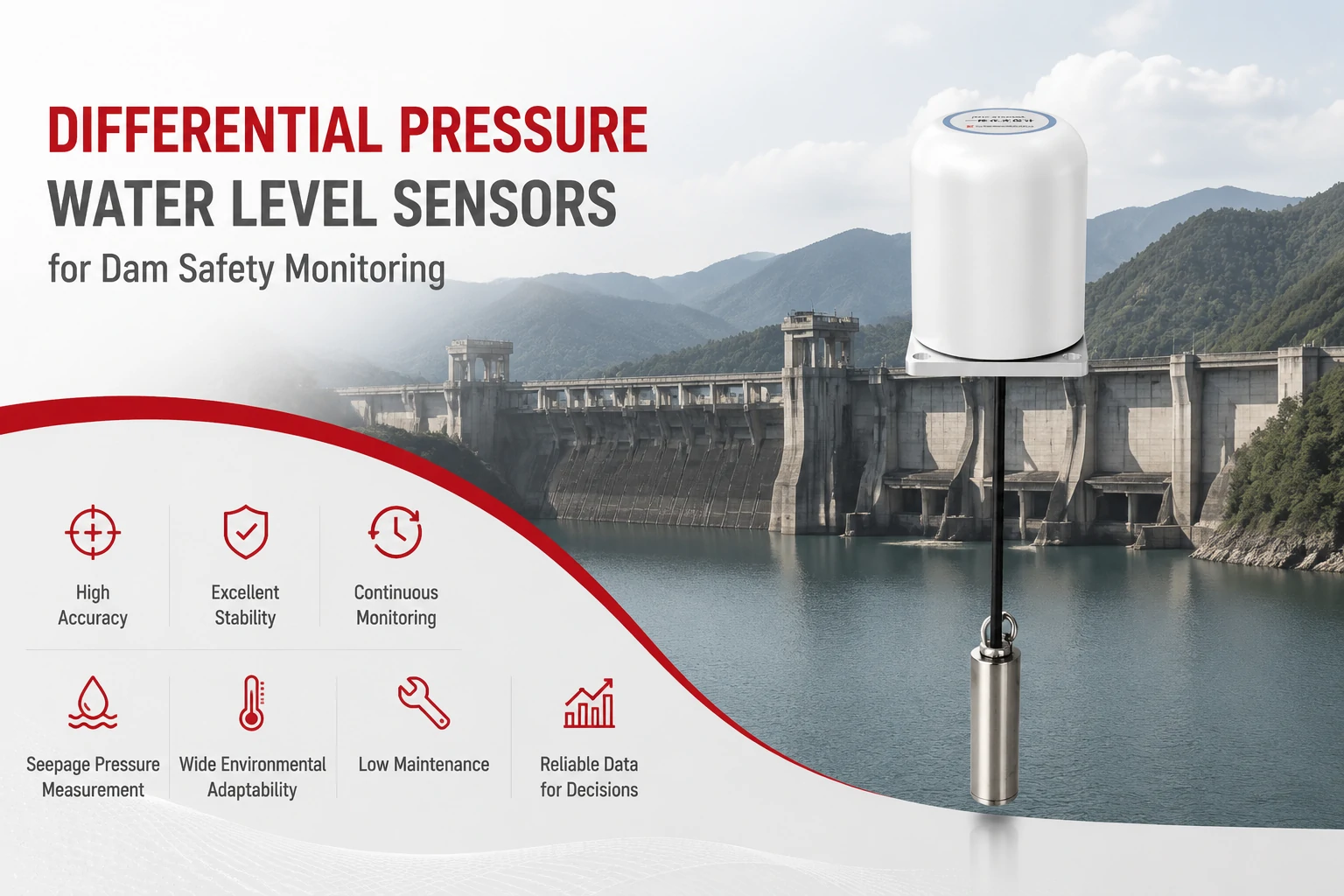
Key Takeaways The strongest fit is usually a confined, submerged, or s...
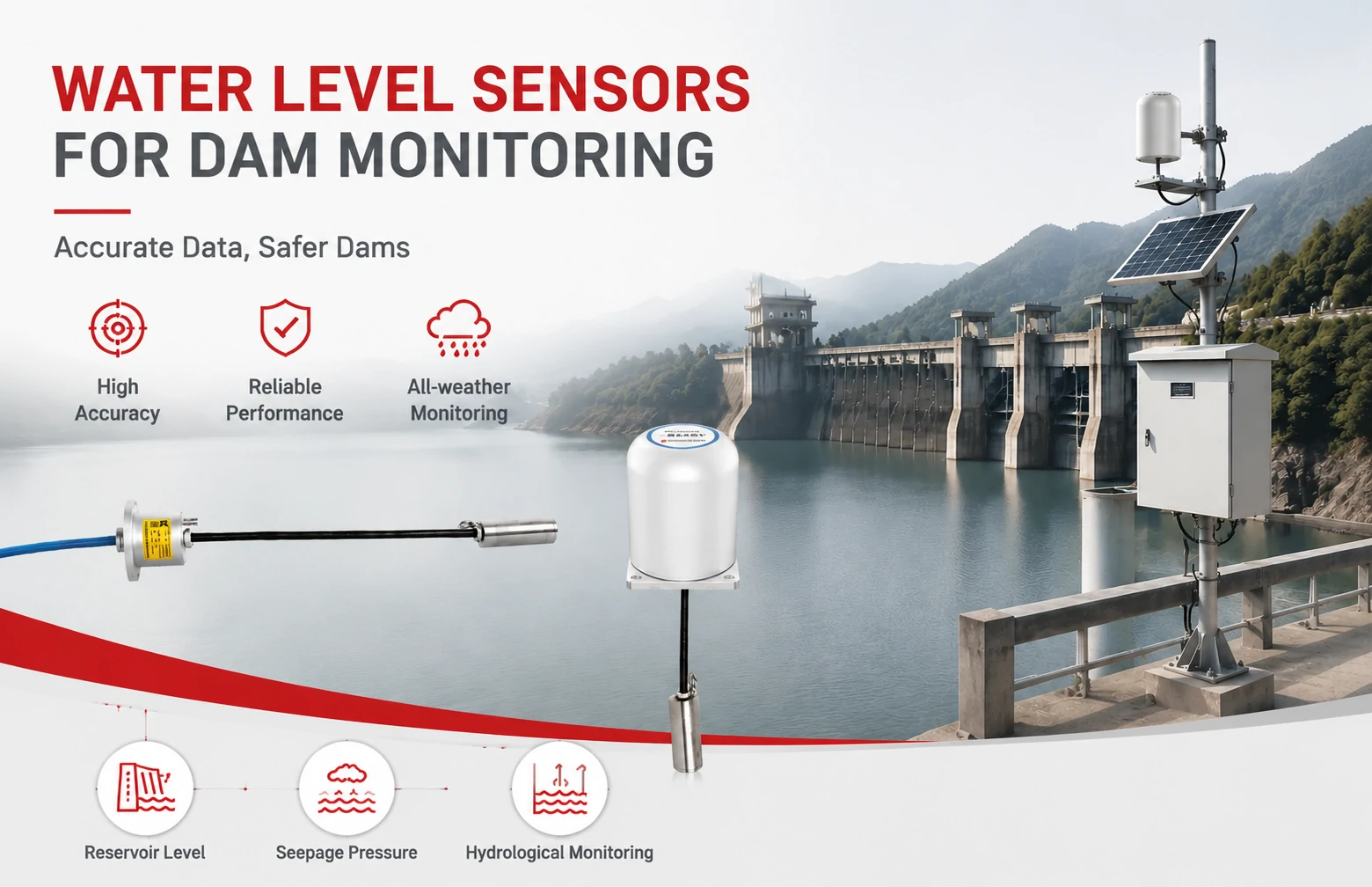
Kingmach Water Level Sensors for Dam Monitoring: A Buyer's Guide to Differential Pre...
Products
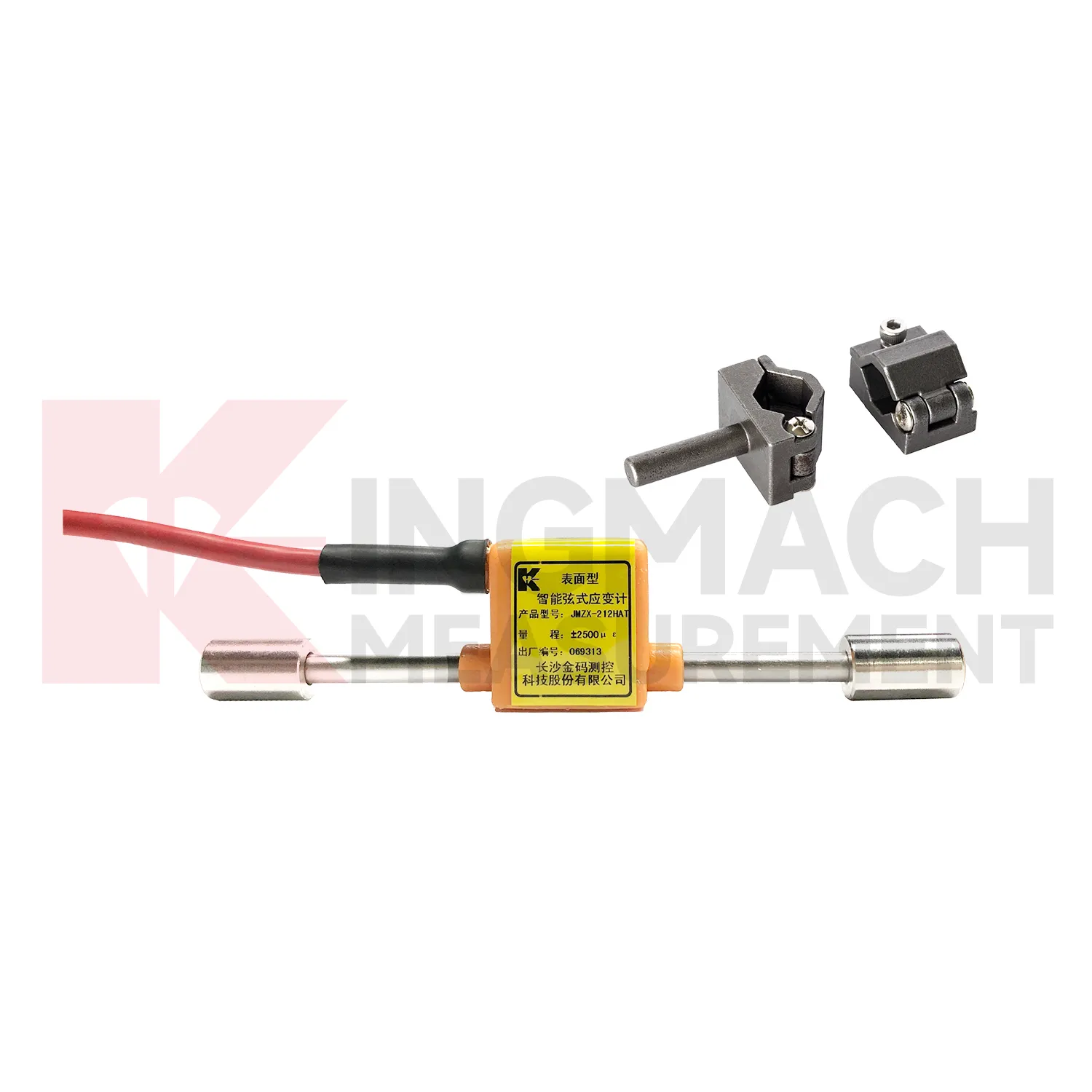
Smart vibrating wire strain gauge (surface model) JMZX-212HAT/HB
View Details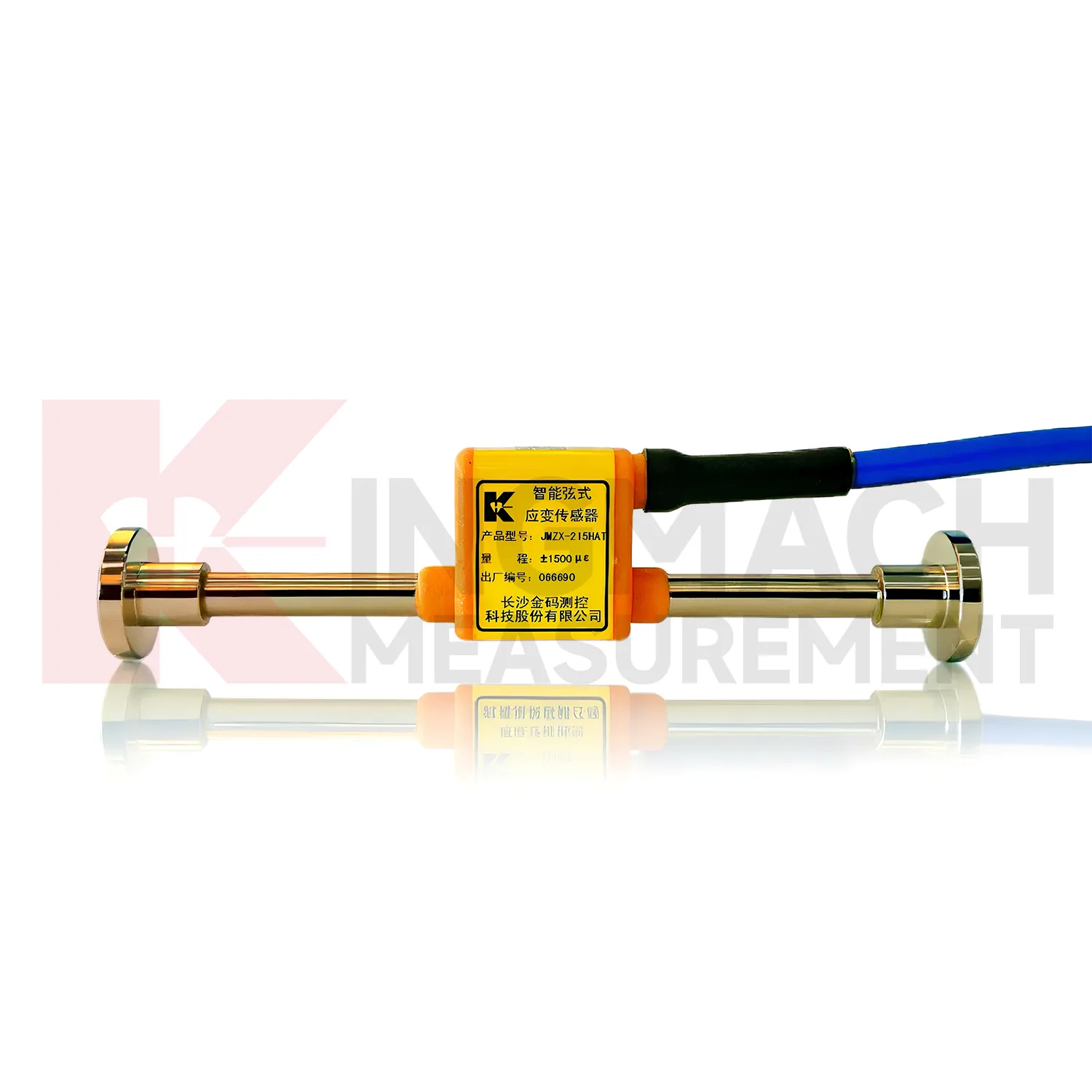
Smart vibrating wire strain gauge (embedment model) JMZX-215HA/215HAT/HB
View Details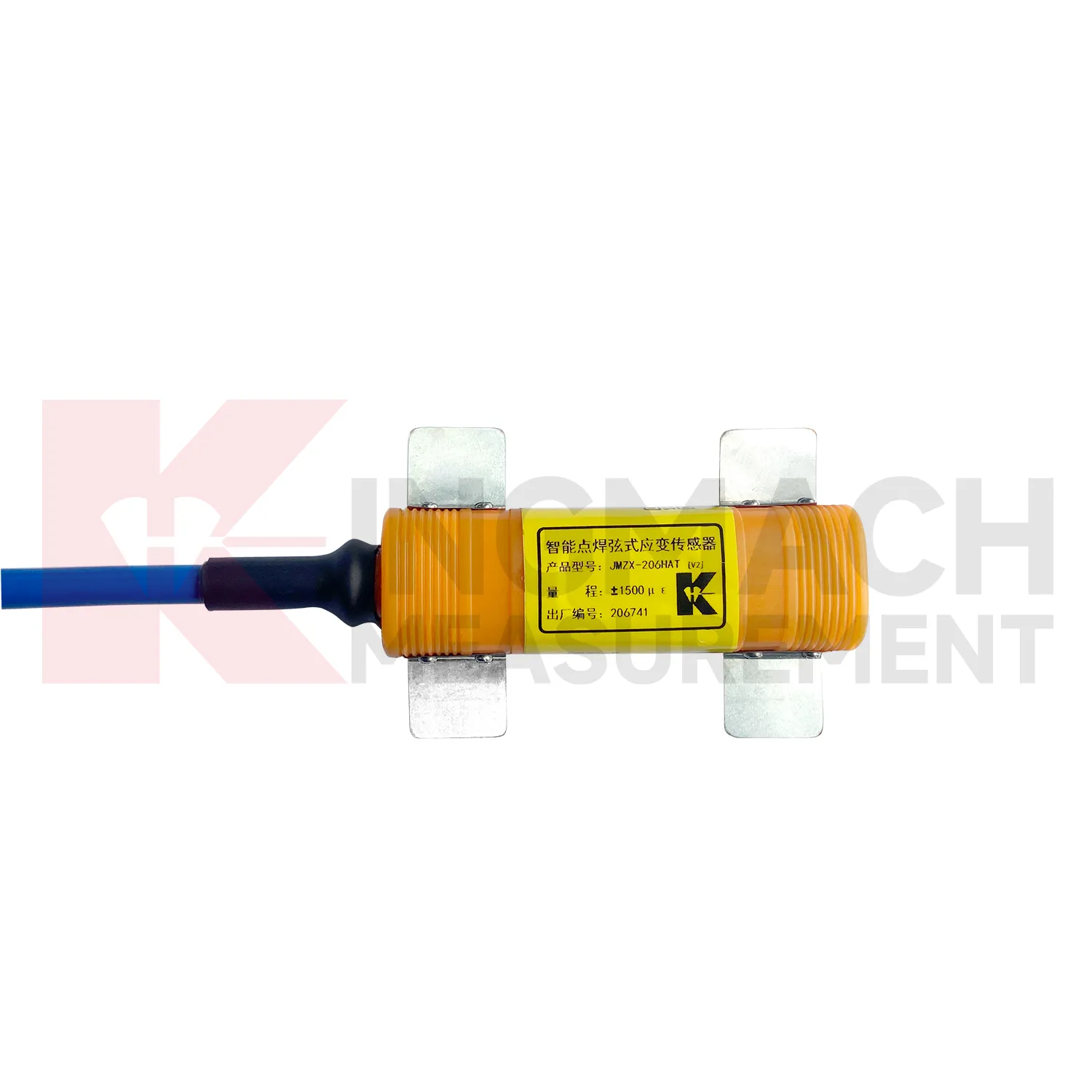
Smart vibrating wire strain gauge (surface welded model) JMZX-206HAT
View DetailsFAQ
It often comes down to the measurement duration and environmental noise. Resistive gauges react quickly and suit dynamic tests like pile driving or short-term load trials. Vibrating wire gauges resist signal degradation over long cables and are better for long-term monitoring, especially in damp or remote locations. Kingmach carries both types and can advise based on your specific setup—for example, a vibrating wire gauge embedded in concrete for years is less likely to drift than a resistive one without careful sealing.
The sensor itself may be similar, but mounting is everything. On steel, you need a clean surface and strong adhesive—or arc welding in our case, for quick permanent attachment. In concrete, we use embedment gauges that are cast into the pour, or surface gauges fixed with grouted anchors. Our documentation shows examples of each strain gauge sensor application, helping you avoid mistakes where a gauge meant for steel would crack if embedded in curing concrete.
First, we help you check the obvious: cable connections, data logger settings, and thermal effects. Almost every weird reading has a logical explanation. If needed, we review your installation photos and suggest adjustments—sometimes a gauge picks up bending because the mounting block was tilted. We have seen most failure modes in the field, so our troubleshooting is practical rather than theoretical.
With proper protection, years. For surface gauges, we use stainless steel housings and epoxy or welding seals. Vibrating wire gauges with thermistors can last a decade or more if installed correctly. The weak point is usually the cable connection, not the gauge itself, so we stress proper cable routing and strain relief in our installation guides.
Share your product type, target capacity, and application requirements. Our team can review the details and recommend a practical next step.
If you are interested in our products or want to become our partner.
Please leave your contact information, our team will contact you as soon as possible.
Mail: [email protected]
Contact Us: +8613808434127
Address: No. 188 Tongzipo West Rd, Changsha, Hunan, China