
 EN
EN
 ar
ar bg
bg hr
hr cs
cs da
da nl
nl fi
fi fr
fr de
de el
el hi
hi it
it ko
ko no
no pl
pl pt
pt ro
ro ru
ru es
es sv
sv tl
tl iw
iw id
id lv
lv lt
lt sr
sr sk
sk sl
sl uk
uk vi
vi et
et hu
hu th
th tr
tr fa
fa ms
ms hy
hy ka
ka ur
ur bn
bn mn
mn ta
ta kk
kk uz
uz ku
ku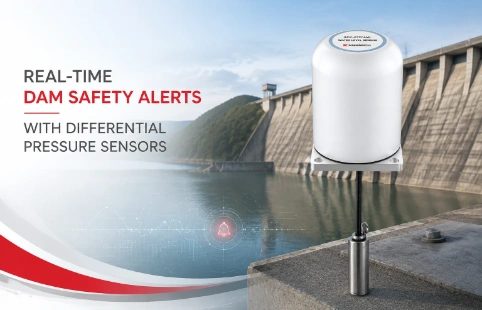
Real-Time Dam Safety Alerts with Differential Pressure Water Level Sensors
Key Takeaways An alert chain needs more than a sensor: define field in...

Small Strain Gauges for Critical Monitoring Jobs
A small strain gauge can fit into places most sensors can’t. On tunnel linings, embedded in concrete piles, or attached to tiny structural members—when space is tight, standard gauges won’t work. Kingmach supplies small strain gauges for geotechnical and structural monitoring, where the measurement point is cramped or the material surface is uneven. These gauges are often used in load cells, borehole extensometers, or miniature pressure cells. They come in various configurations, and if the off-the-shelf size doesn’t match the job, our engineers can adjust the grid dimensions, backing material, or lead wire arrangement. We’ve seen them installed inside small-diameter piles, on rebar in tight reinforcement cages, and in laboratory model tests. The point isn’t just about a smaller footprint; it’s about maintaining stable readings under field conditions—moisture, temperature swings, and long-term drift can all spoil data if the gauge isn’t built for it.
Technical Detail
Kingmach offers small strain gauges that fill a gap in geotechnical instrumentation: where conventional gauges are physically too large or their installation would alter the measured structure’s behavior. Typical applications include strain monitoring on small-diameter piles, tunnel segment joints, rock bolt pull-out tests, and concrete crack movement sensors. The gauges can be supplied with different foil alloys (constantan, karma) and backing carriers (polyimide, phenolic-glass) to match the substrate thermal expansion and environmental conditions. For embedment in concrete or soil, we often add a protective coating or supply the gauge already bonded inside a small housing. Lead wires can be routed through narrow conduits, and we can terminate them with mini connectors or leave them bare for customer termination. Because site conditions differ, we don’t publish a fixed performance table; instead, our technical team works with the user on the expected strain range, operating temperature, and exposure to water or chemicals, then recommends a configuration. Customization is common—smaller grid lengths, half-bridge patterns, or compensated dummy gauges for temperature correction. We also keep a stock of small strain gauges used in standard geotechnical sensors, which helps with replacement and maintenance for existing monitoring systems. Data sheets, wiring diagrams, and installation guides come with each order, and our support engineers can advise on surface preparation and adhesive selection.
News
Key Takeaways An alert chain needs more than a sensor: define field in...
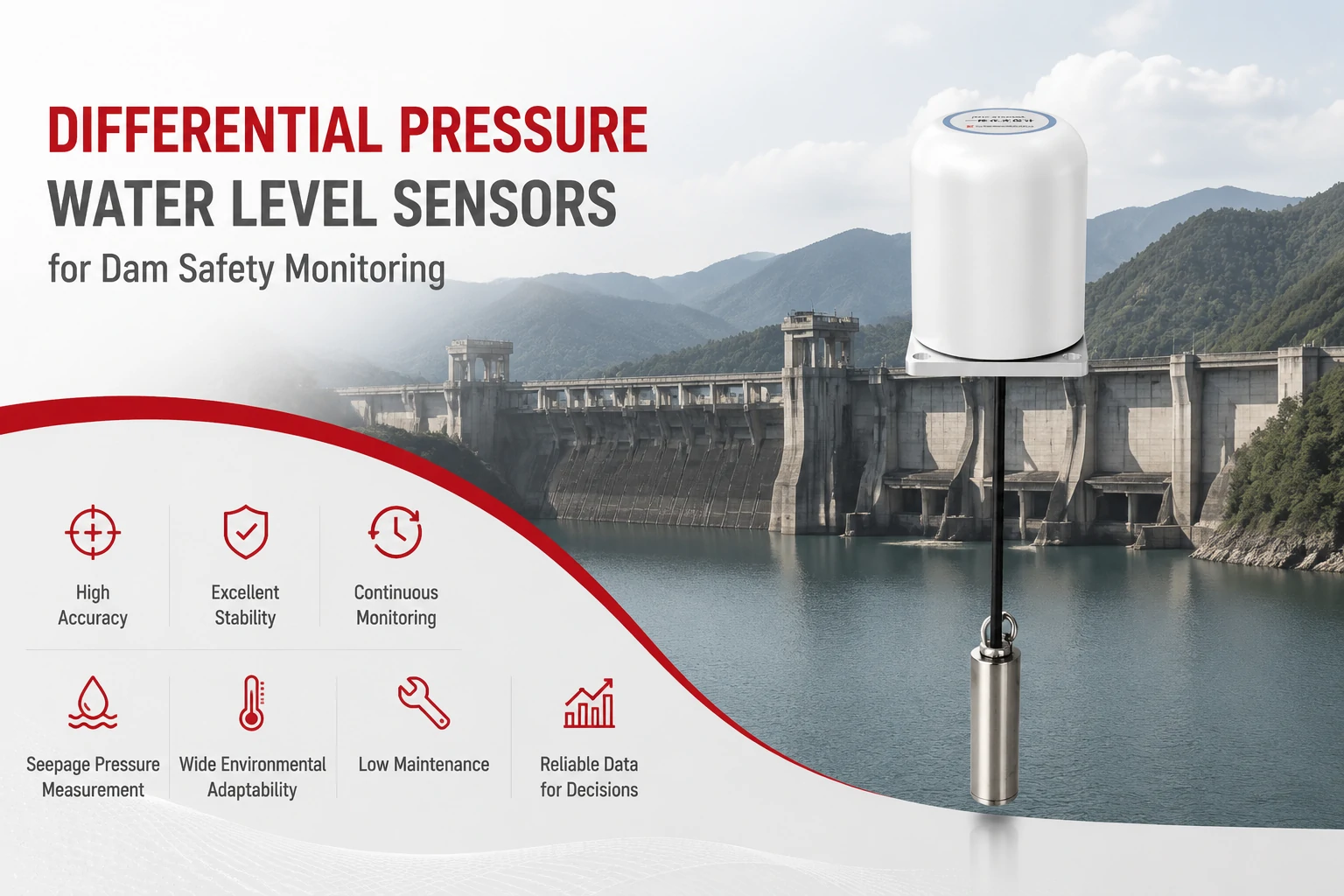
Key Takeaways The strongest fit is usually a confined, submerged, or s...
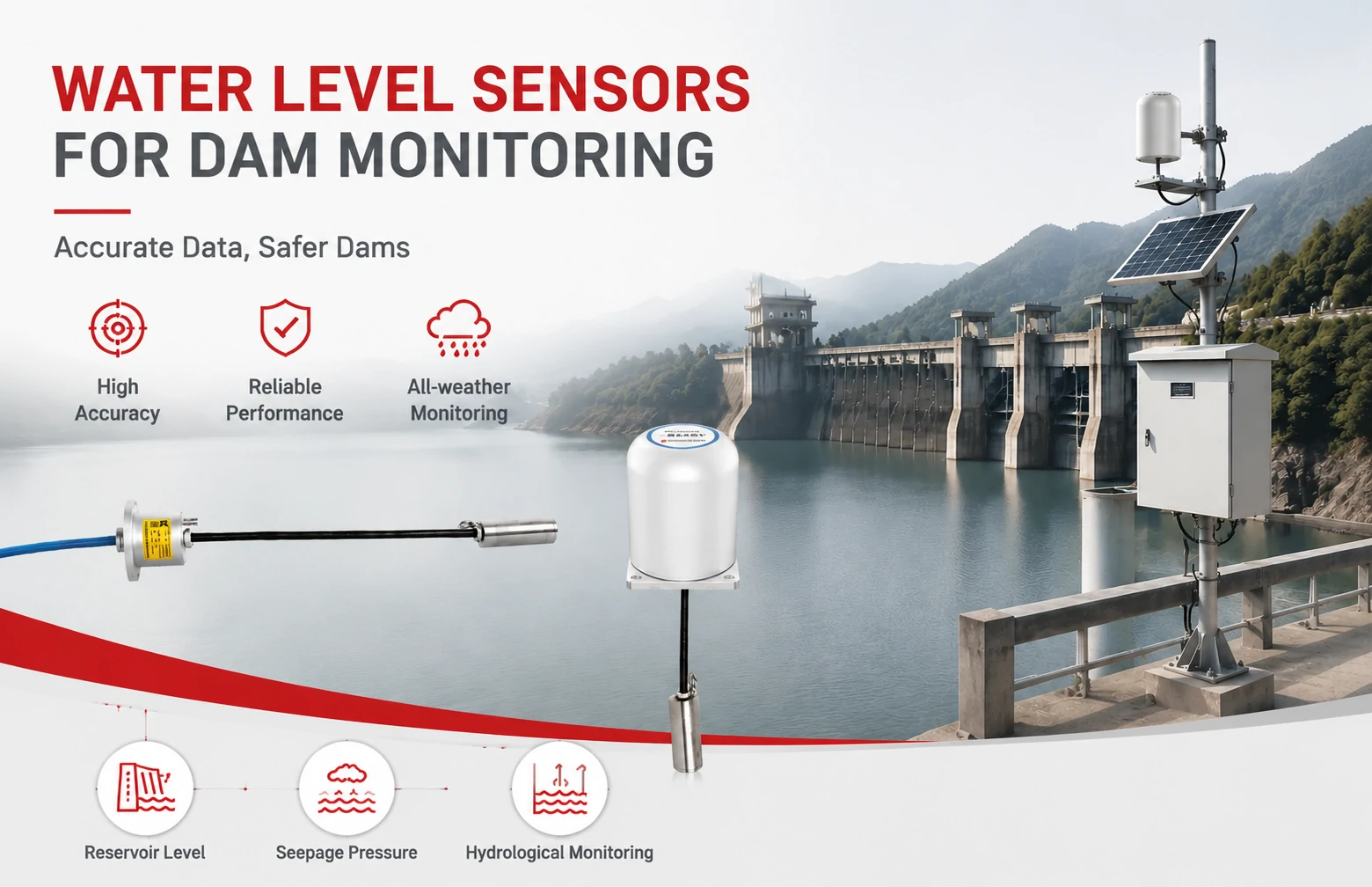
Kingmach Water Level Sensors for Dam Monitoring: A Buyer's Guide to Differential Pre...
Products
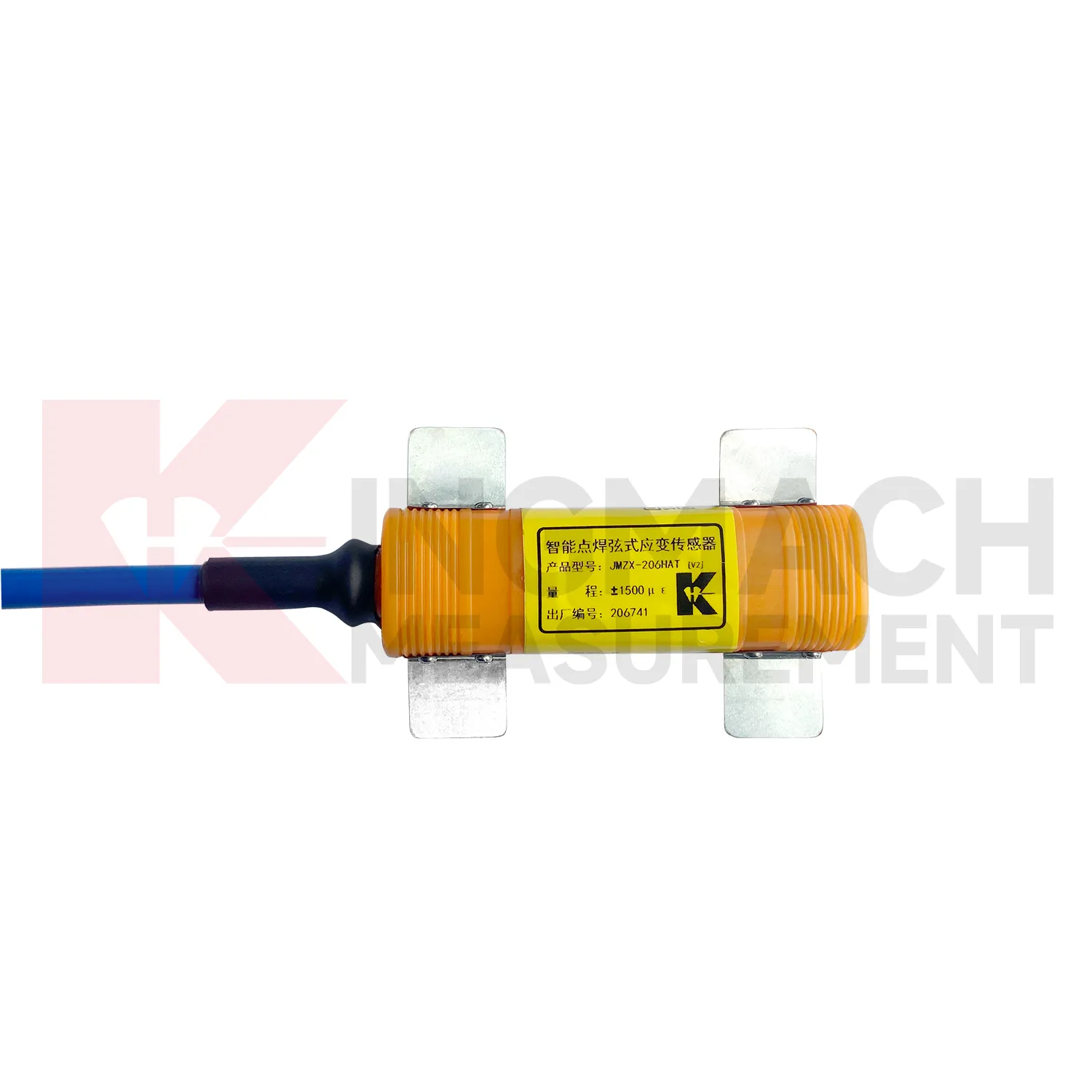
Smart vibrating wire strain gauge (surface welded model) JMZX-206HAT
View Details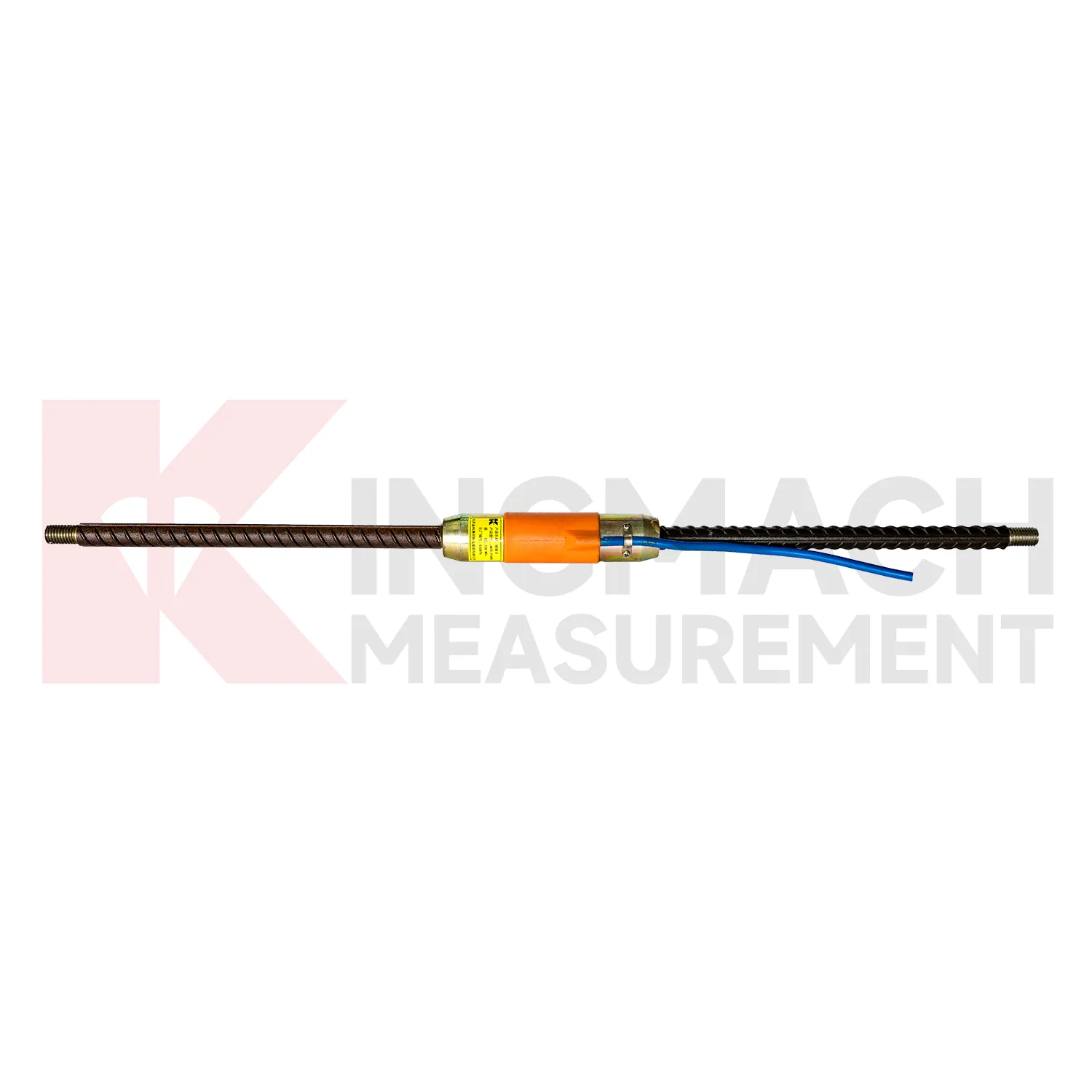
Rebar Strainmeters ( VW & Smart Type) JMZX-4XXHAT/HB
View Details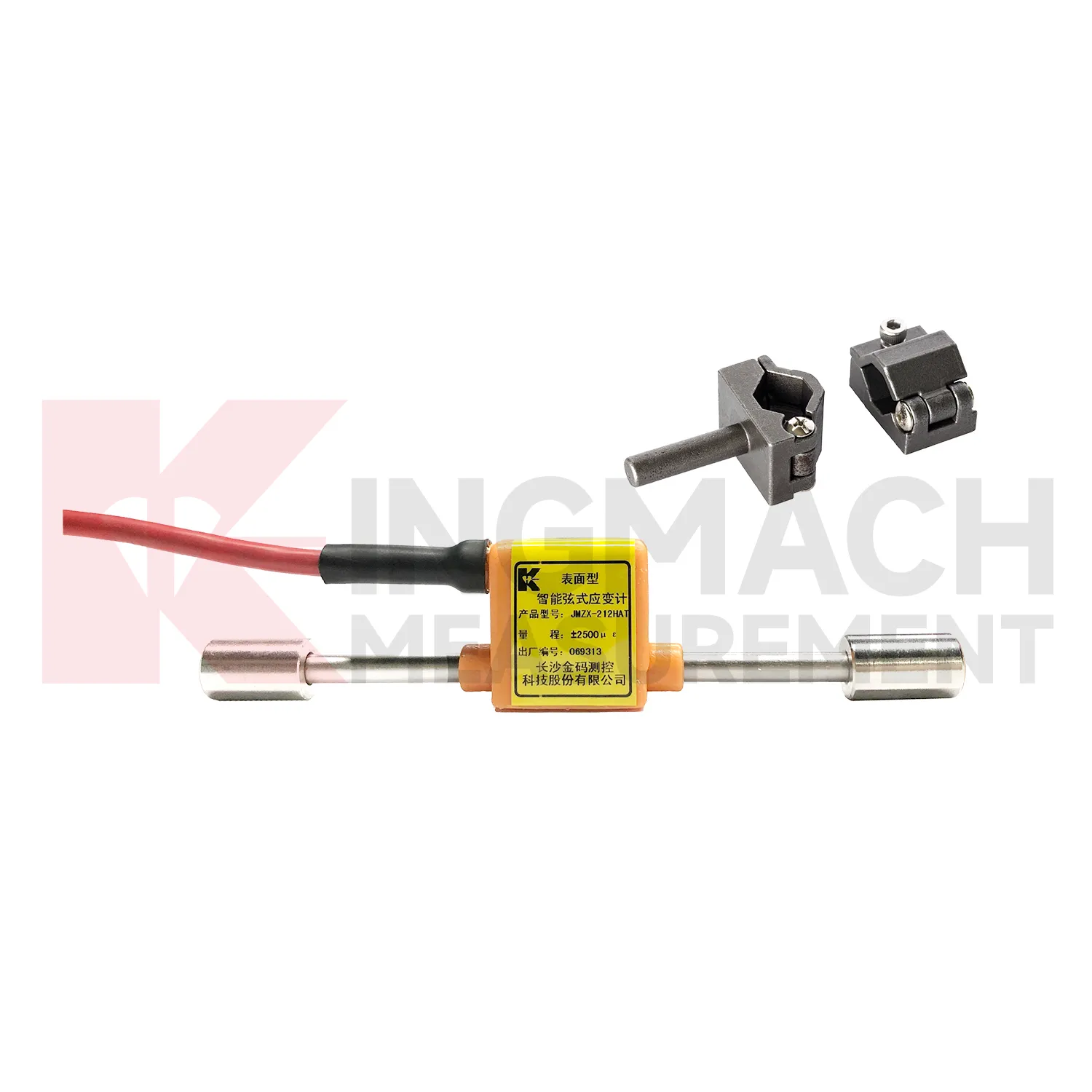
Smart vibrating wire strain gauge (surface model) JMZX-212HAT/HB
View DetailsFAQ
We regularly produce gauges with grid lengths around 3–5 mm. For special applications, smaller sizes can be explored, but they’re more sensitive to handling and installation. It’s best to discuss the minimum possible size with our application engineers based on the material and expected strain levels.
Yes, but the gauge must be sealed properly. We offer options with a factory-applied moisture barrier or supply gauges with a polyimide backing and recommend coating compounds for field sealing. For embedment in concrete, we often encapsulate the gauge in a small metal or plastic housing to protect it from alkaline water and mechanical damage during casting.
Accuracy depends more on the installation and conditioning electronics than on the gauge size itself. A well-installed small gauge can deliver the same accuracy as a larger one within its strain range. The main trade-off is that smaller grids have lower heat dissipation, so the excitation current may need to be reduced to avoid self-heating errors.
We can attach lead wires in various lengths, typically with PVC, Teflon, or silicone insulation depending on temperature and chemical exposure. Stranded conductors help with fatigue life if the wire must flex. We also keep wire diameter small to minimize intrusion in narrow spaces.
Give us the target strain range, test material, operating temperature, and any dimensional constraints. A sketch or drawing of the installation surface is helpful. We’ll then propose a gauge layout, backing, and connection details. Most customizations don’t involve tooling charges unless an entirely new foil pattern is needed, and even then, the cost is often modest for small quantities.
Share your product type, target capacity, and application requirements. Our team can review the details and recommend a practical next step.
If you are interested in our products or want to become our partner.
Please leave your contact information, our team will contact you as soon as possible.
Mail: [email protected]
Contact Us: +8613808434127
Address: No. 188 Tongzipo West Rd, Changsha, Hunan, China