
 EN
EN
 ar
ar bg
bg hr
hr cs
cs da
da nl
nl fi
fi fr
fr de
de el
el hi
hi it
it ko
ko no
no pl
pl pt
pt ro
ro ru
ru es
es sv
sv tl
tl iw
iw id
id lv
lv lt
lt sr
sr sk
sk sl
sl uk
uk vi
vi et
et hu
hu th
th tr
tr fa
fa ms
ms hy
hy ka
ka ur
ur bn
bn mn
mn ta
ta kk
kk uz
uz ku
ku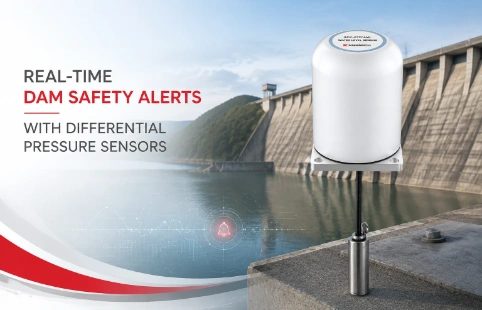
Real-Time Dam Safety Alerts with Differential Pressure Water Level Sensors
Key Takeaways An alert chain needs more than a sensor: define field in...

Semiconductor Based Temperature Sensors
Temperature readings from semiconductor sensors often look straightforward on a datasheet—linear output, millivolt per degree—but getting clean data in a borehole or embedded in concrete is a different story. These sensors rely on the predictable voltage change of a silicon junction, which makes them compact and easy to integrate. The challenge is not the sensing element itself, but how it holds up when soil moisture, cable length, or electrical noise come into play. That is where the package matters more than the chip. For field monitoring, the housing, cable termination, and calibration method often decide whether the numbers on the logger can be trusted. Kingmach approaches this by treating the sensor as part of a larger measurement chain, with attention to sealing, signal conditioning, and realistic accuracy over long cable runs.
Technical Detail
Semiconductor based temperature sensors use the forward voltage drop of a diode or transistor junction as the temperature-dependent parameter. The output is nearly linear with a slope around -2 mV/°C, which makes signal processing simpler than with thermocouples or thermistors. In geotechnical monitoring, this linearity helps when sensors are connected through long cables to a central logger, as compensation is less complex. Common industrial packages include epoxy-encapsulated beads, stainless steel probes, and surface-mount chips for embedment into structures. At Kingmach, these sensors are normally supplied with sealed housings and cable assemblies rated for direct burial or submersible use. Factory calibration data is provided as standard, with optional field calibration verification. The sensors are compatible with most Campbell Scientific, Geokon, and similar dataloggers, and can be customized for odd-shaped installations or specific resistance ranges. Custom lead lengths, waterproof connectors, and multi-point sensor strings are also available on request. The team supports integration by matching the sensor’s electrical characteristics to the logger’s input requirements, reducing measurement error due to wiring or noise.
News
Key Takeaways An alert chain needs more than a sensor: define field in...
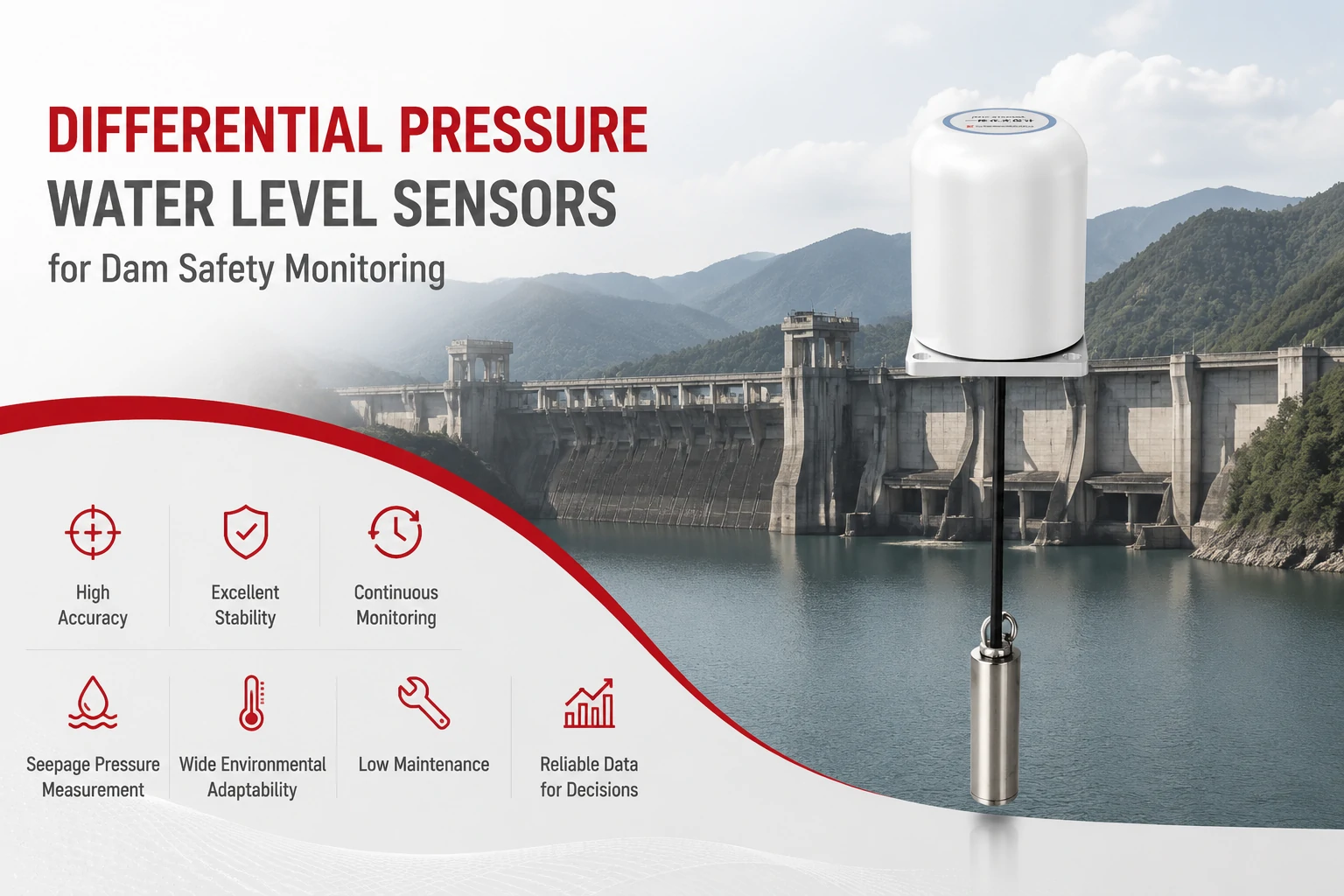
Key Takeaways The strongest fit is usually a confined, submerged, or s...
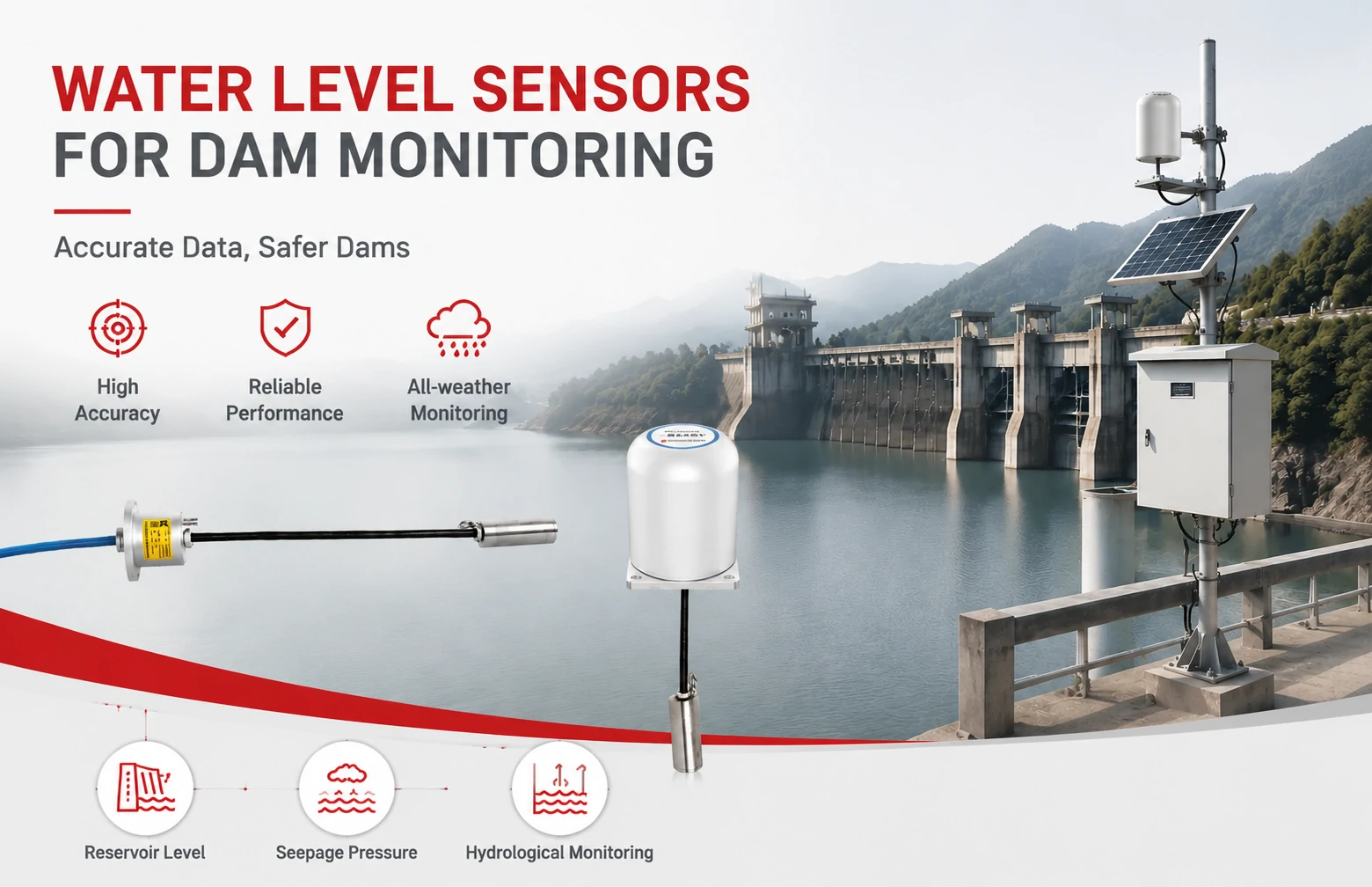
Kingmach Water Level Sensors for Dam Monitoring: A Buyer's Guide to Differential Pre...
Products
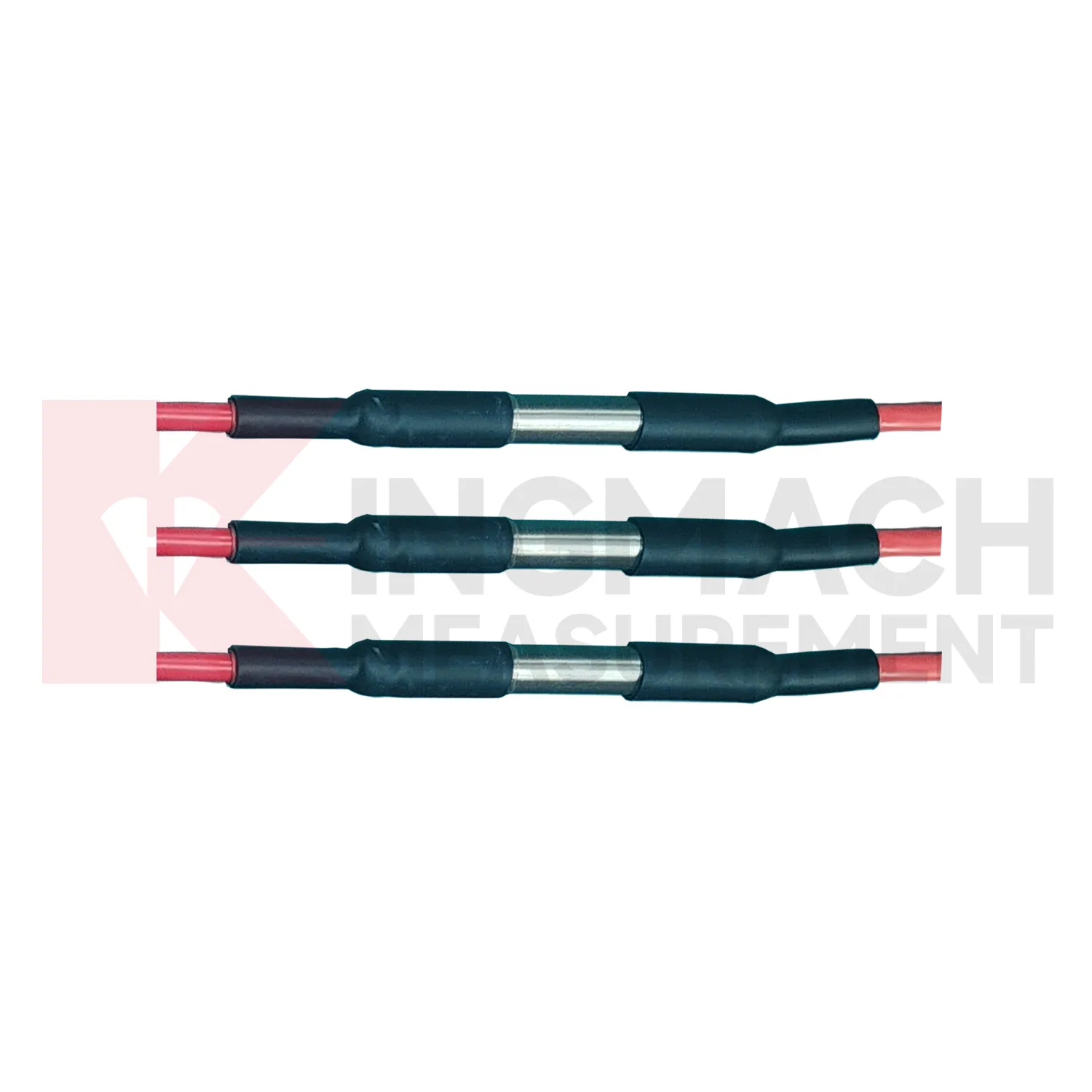
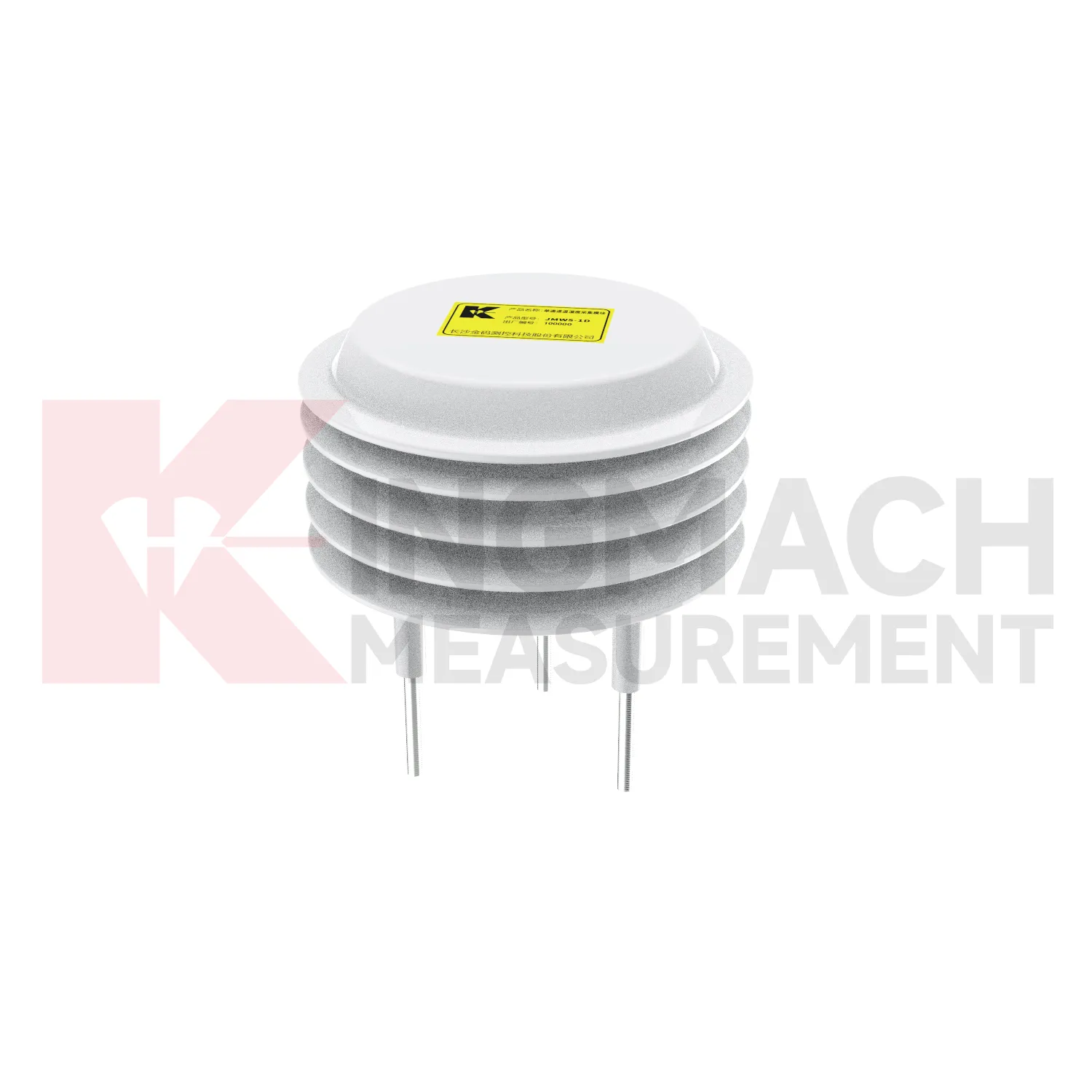
Single-Channel Temperature and Humidity Acquisition Module JMWS-1D
View DetailsFAQ
The main difference is the sensing principle. A semiconductor sensor uses the voltage change across a PN junction, giving a roughly linear output with a sensitivity around -2 mV/°C. RTDs exploit resistance change in platinum and offer higher stability but need more complex signal conditioning. Thermocouples produce a small voltage from two dissimilar metals and are better for extreme temperatures. For most geotechnical jobs, where the range rarely exceeds -20 to 80°C, semiconductor sensors are a practical balance of cost, size, and ease of reading.
Yes, if the housing and cable are designed for it. We supply sensors with sealed stainless steel or PVC bodies and polyethylene or FEP jacketed cables. The key is preventing moisture ingress through the cable jacket or termination. For concrete embedment, the sensor must withstand the pH and pressure during curing. In permanent soil installations, burial-rated cables and proper cable splice kits are used.
Most semiconductor temperature sensors from Kingmach output a voltage that changes linearly with temperature, typically configured for a 0-1 V or 0-5 V range after signal conditioning. Some versions may provide a 4-20 mA loop output. These signals can be read by almost any standard datalogger, like those from Campbell Scientific, Roctest, or Geosense. We provide the calibration equation to convert voltage or current to temperature.
Yes. Custom cable lengths are standard practice. We can fit the sensor with a variety of connectors — MIL-spec circular connectors, Lemo, or simple pigtails for connection to a terminal block. When ordering, specify the required length, the connector type on the logger side, and whether you need a waterproof inline connector for easy field installation.
Share your product type, target capacity, and application requirements. Our team can review the details and recommend a practical next step.
Related Keywords
If you are interested in our products or want to become our partner.
Please leave your contact information, our team will contact you as soon as possible.
Mail: [email protected]
Contact Us: +8613808434127
Address: No. 188 Tongzipo West Rd, Changsha, Hunan, China