
 EN
EN
 ar
ar bg
bg hr
hr cs
cs da
da nl
nl fi
fi fr
fr de
de el
el hi
hi it
it ko
ko no
no pl
pl pt
pt ro
ro ru
ru es
es sv
sv tl
tl iw
iw id
id lv
lv lt
lt sr
sr sk
sk sl
sl uk
uk vi
vi et
et hu
hu th
th tr
tr fa
fa ms
ms hy
hy ka
ka ur
ur bn
bn mn
mn ta
ta kk
kk uz
uz ku
ku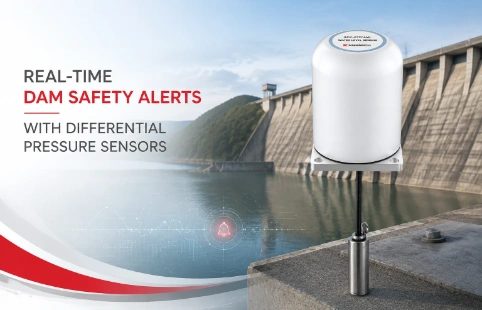
Real-Time Dam Safety Alerts with Differential Pressure Water Level Sensors
Key Takeaways An alert chain needs more than a sensor: define field in...

Accurate Rebar Strain Meter for Concrete Monitoring
Measuring strain inside reinforced concrete isn't straightforward. Concrete covers the rebar, making direct measurements tricky. That's where a rebar strain meter comes in—it's welded or tied directly to the steel before pouring, capturing data from within. Kingmach's version is built for these tough conditions, with a focus on steady, long-term output. Engineers use these meters to track structural health, validate designs, or catch early signs of stress. Unlike surface-mount sensors, internal meters give a truer picture of what the reinforcement actually experiences. The installation process is simple enough, but the data quality depends heavily on the instrument's build and bonding. Kingmach, as a mid-range professional manufacturer, balances cost and precision. Their meters are used in bridges, dams, and high-rise construction, often with customization for specific rebar diameters or monitoring needs. The following sections detail how these meters work and what to look for when choosing one.
Technical Detail
Kingmach produces a series of rebar strain meters for different rebar sizes and measurement ranges. The sensing element is often a vibrating wire or foil strain gauge, sealed in a protective housing. For long-term embedment, waterproofing and corrosion resistance matter. Kingmach's units undergo rigorous calibration to ensure readings stay consistent over years. The signal cable is armored to survive construction. Engineers can get data via portable readouts or integrate into automatic monitoring systems. Custom cable lengths, sensor ranges, and installation accessories are available. This flexibility saves time on site. Kingmach's global distribution network means support is nearby, and technical queries get answered fast. As a professional geotechnical instrument manufacturer, they keep a wide product range covering various monitoring needs, so you can often source companion sensors from a single supplier. The meters are designed to cope with concrete pour pressure and vibration, with strain limits that match typical reinforced concrete behavior. Choosing a rebar strain meter usually comes down to gauge length, signal type, and how well the waterproofing holds up over decades. Kingmach helps with selection, and they can customize for unusual project requirements, whether it's a non-standard rebar diameter or a unique cable routing need.
News
Key Takeaways An alert chain needs more than a sensor: define field in...
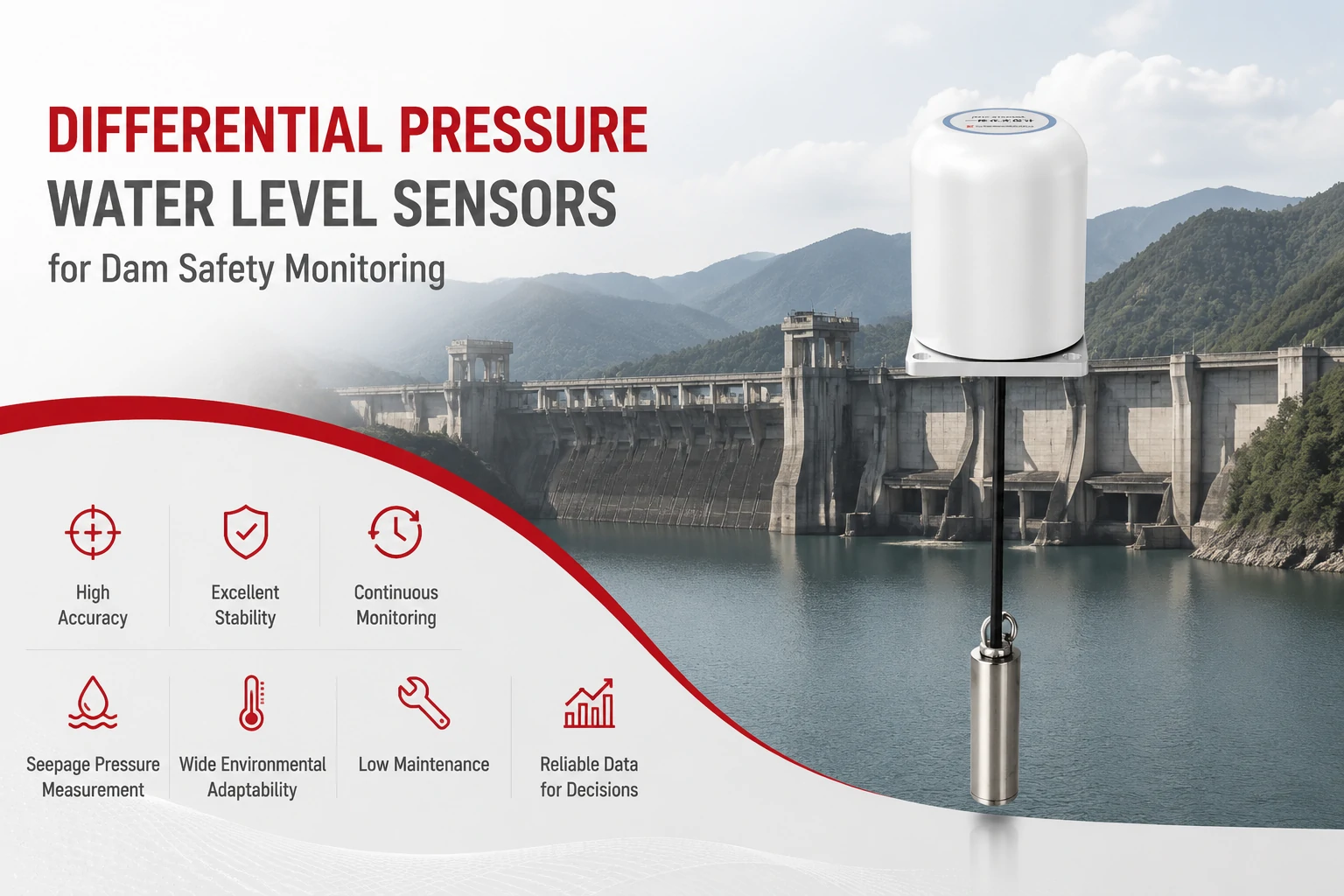
Key Takeaways The strongest fit is usually a confined, submerged, or s...
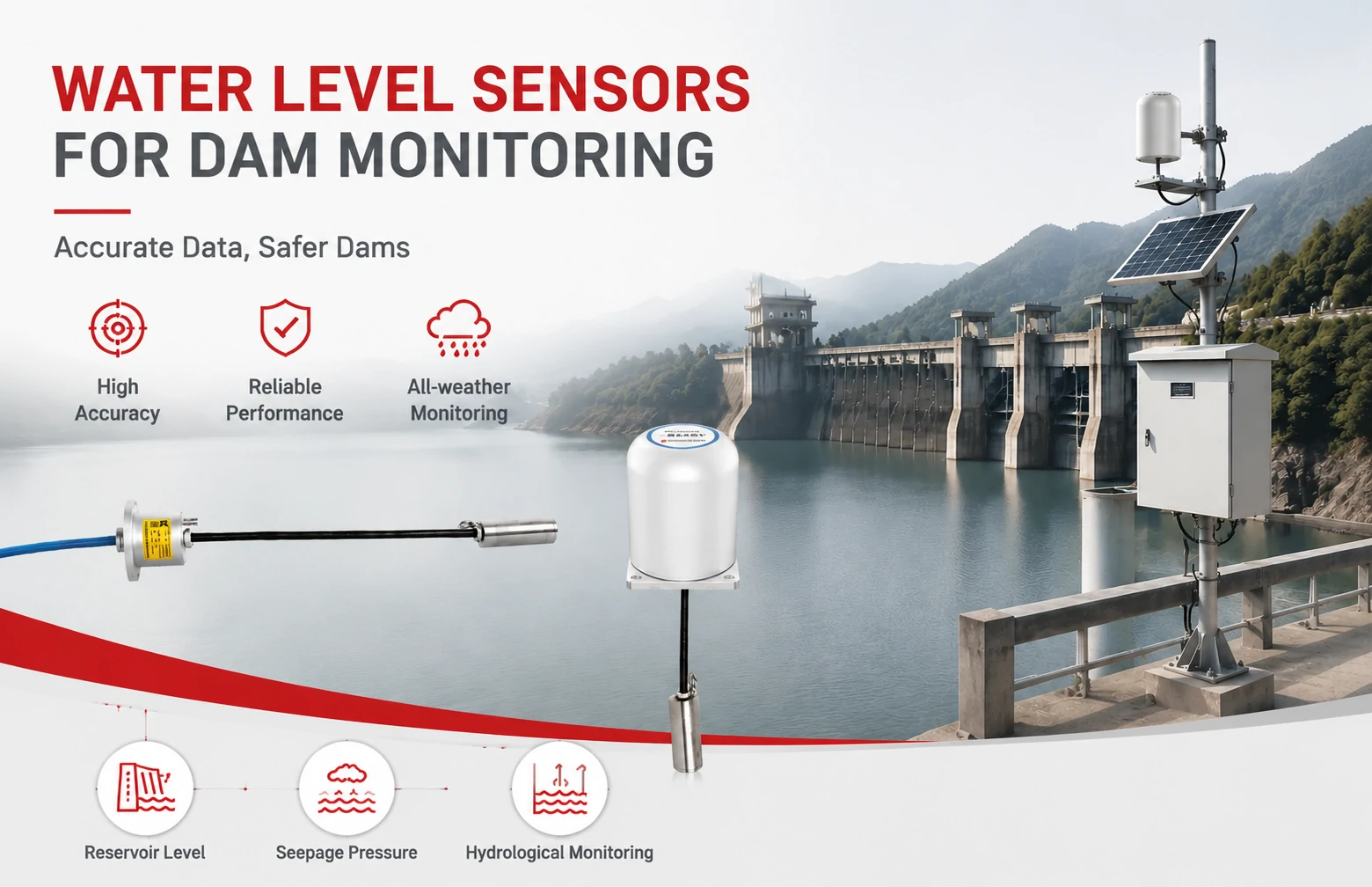
Kingmach Water Level Sensors for Dam Monitoring: A Buyer's Guide to Differential Pre...
Products
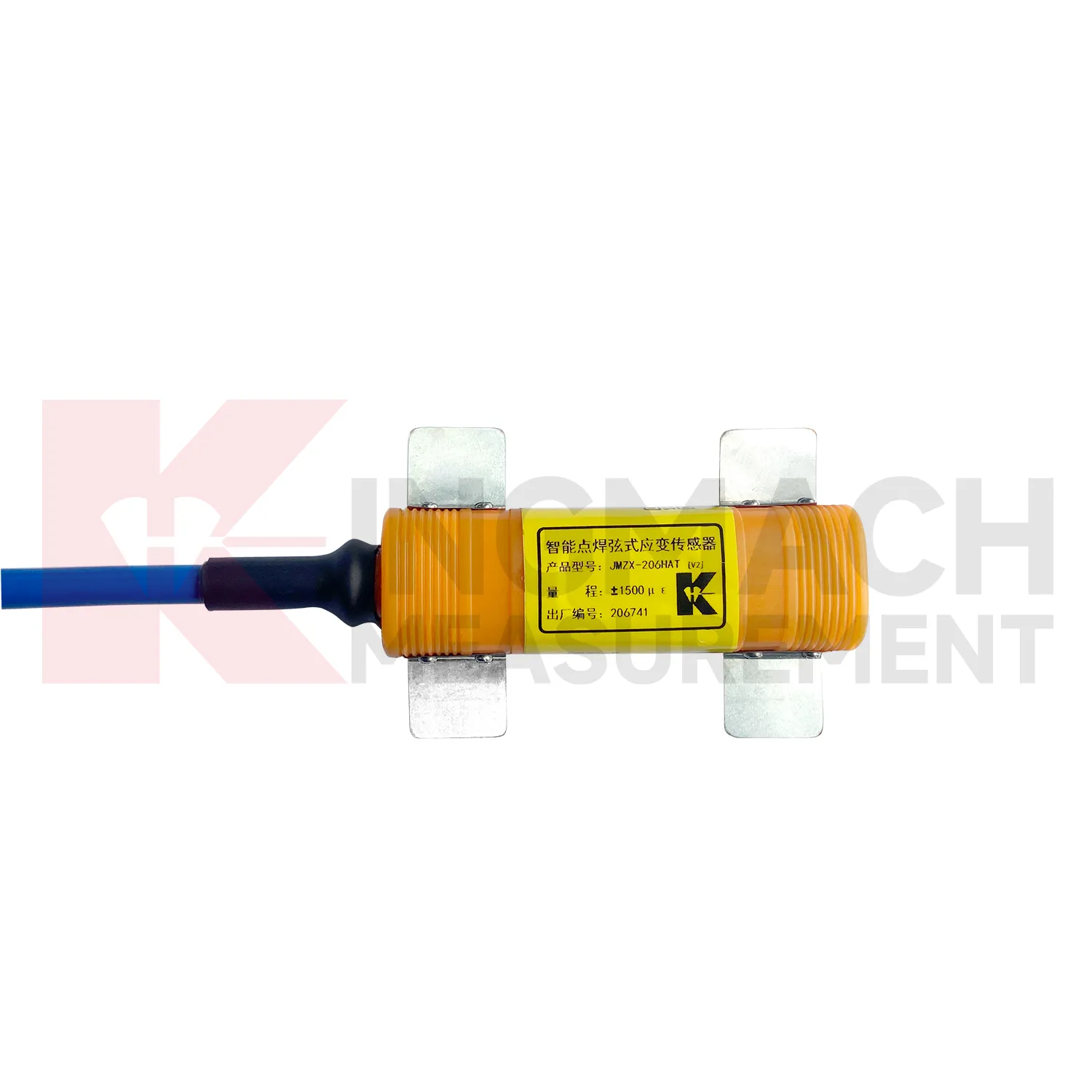
Smart vibrating wire strain gauge (surface welded model) JMZX-206HAT
View Details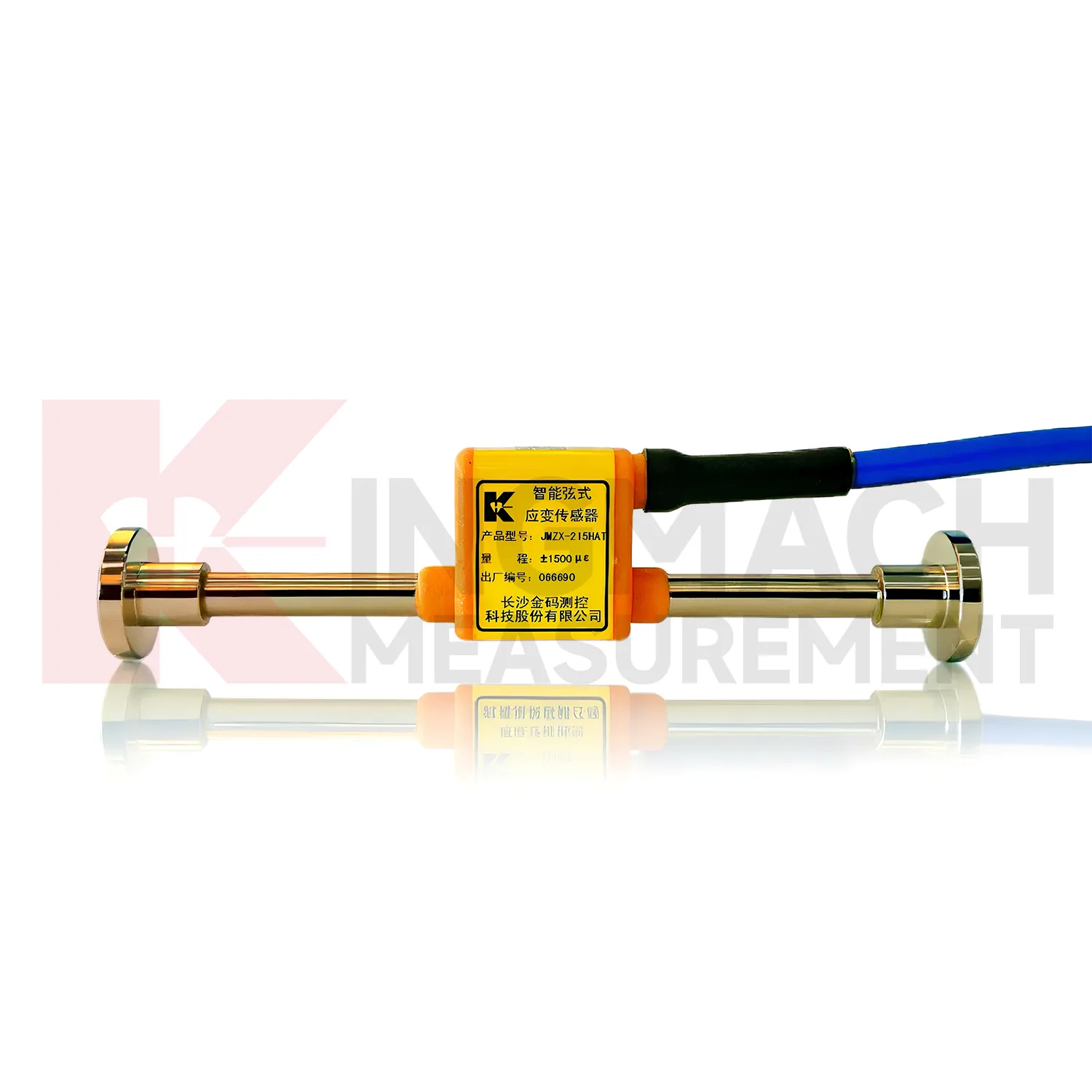
Smart vibrating wire strain gauge (embedment model) JMZX-215HA/215HAT/HB
View Details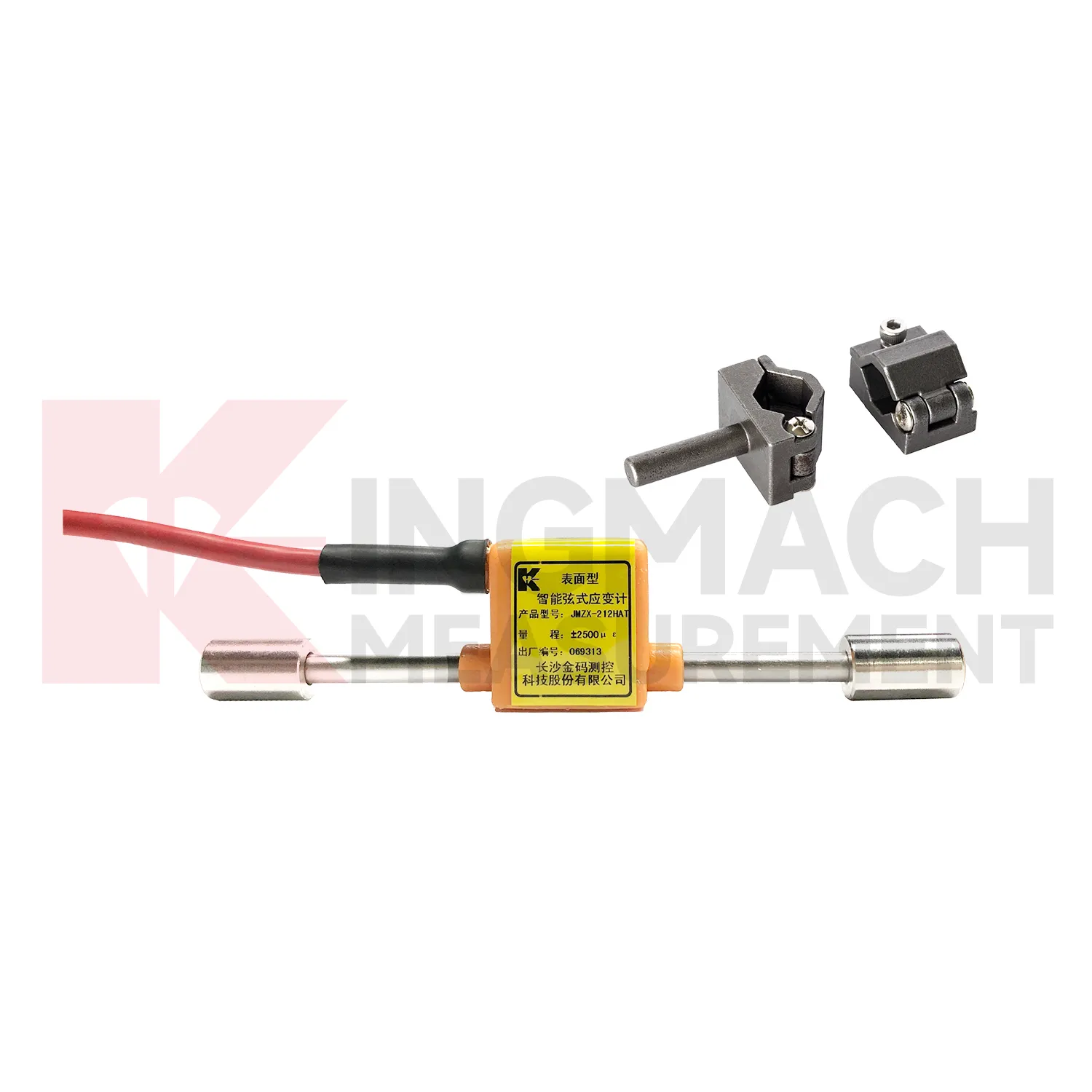
Smart vibrating wire strain gauge (surface model) JMZX-212HAT/HB
View DetailsFAQ
You tie or tack-weld the meter to the rebar cage at the measurement point, then route the cable out of the formwork. After the concrete is poured and cured, connect a readout unit to start taking readings. It's important to avoid damaging the cable during pouring.
Temperature changes can cause the steel and concrete to expand or contract, which adds apparent strain. Most rebar strain meters include a thermistor for temperature measurement, so you can correct the strain data. Kingmach's models have this built in, and the calibration sheet provides coefficients.
Rarely. The meter is embedded in concrete and typically gets damaged during demolition. Even if extracted intact, the bond with the rebar is compromised, and recalibration wouldn't guarantee reliability. It's considered a sacrificial sensor.
Vibrating wire meters are more stable over years and less affected by cable length, making them ideal for long-term monitoring. Electrical resistance types respond faster and are cheaper, but can drift more. Kingmach offers both, depending on project needs.
For vibrating wire types, a portable readout box that measures frequency is standard. For electrical resistance, a strain gauge readout or data logger. Kingmach supplies compatible readouts and can advise on systems for automated data collection.
Share your product type, target capacity, and application requirements. Our team can review the details and recommend a practical next step.
If you are interested in our products or want to become our partner.
Please leave your contact information, our team will contact you as soon as possible.
Mail: [email protected]
Contact Us: +8613808434127
Address: No. 188 Tongzipo West Rd, Changsha, Hunan, China