
 EN
EN
 ar
ar bg
bg hr
hr cs
cs da
da nl
nl fi
fi fr
fr de
de el
el hi
hi it
it ko
ko no
no pl
pl pt
pt ro
ro ru
ru es
es sv
sv tl
tl iw
iw id
id lv
lv lt
lt sr
sr sk
sk sl
sl uk
uk vi
vi et
et hu
hu th
th tr
tr fa
fa ms
ms hy
hy ka
ka ur
ur bn
bn mn
mn ta
ta kk
kk uz
uz ku
ku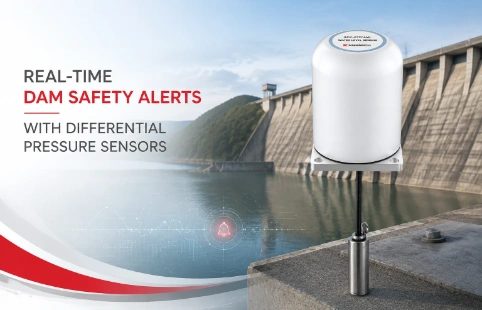
Real-Time Dam Safety Alerts with Differential Pressure Water Level Sensors
Key Takeaways An alert chain needs more than a sensor: define field in...

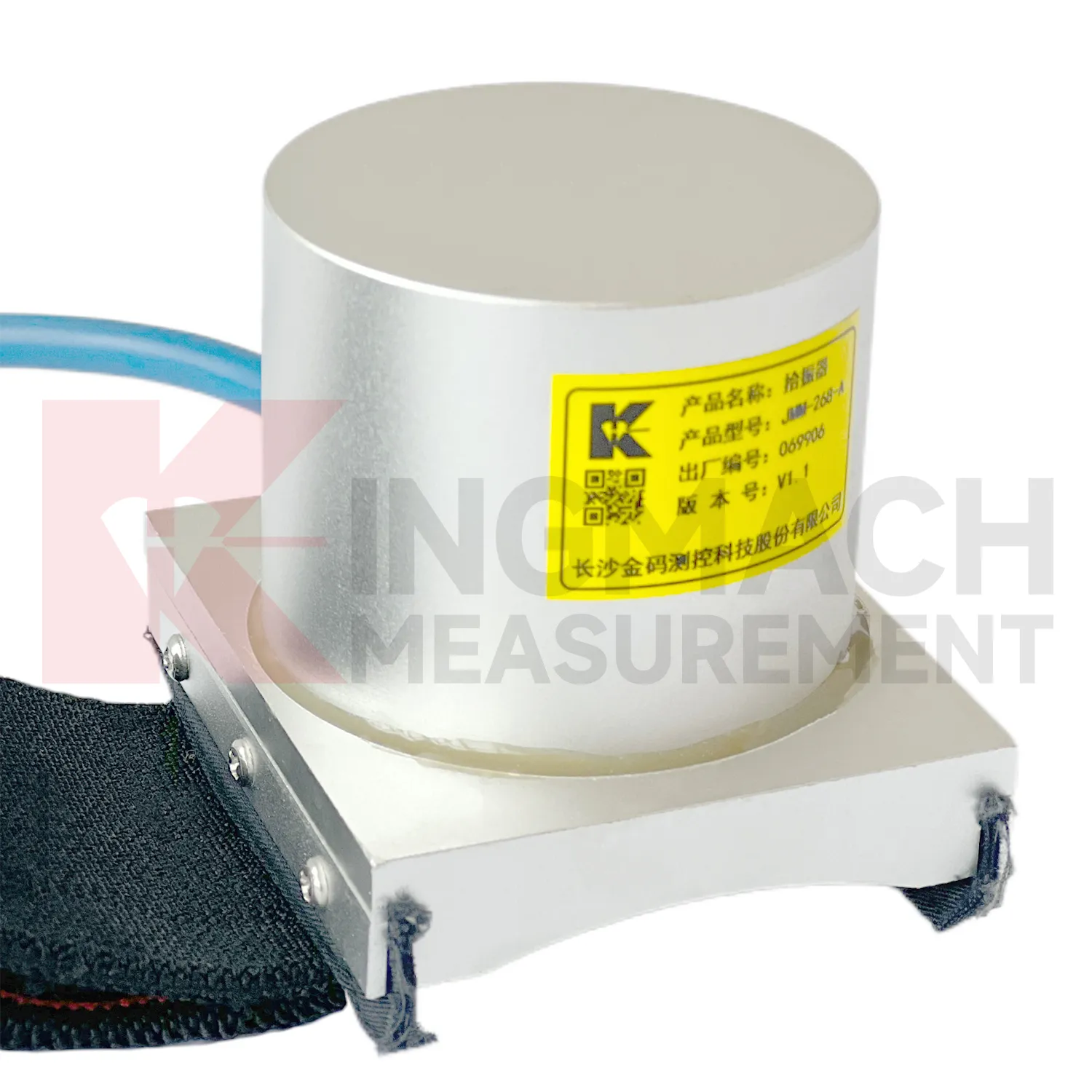
Kingmach Knock Combustion Vibration Sensors
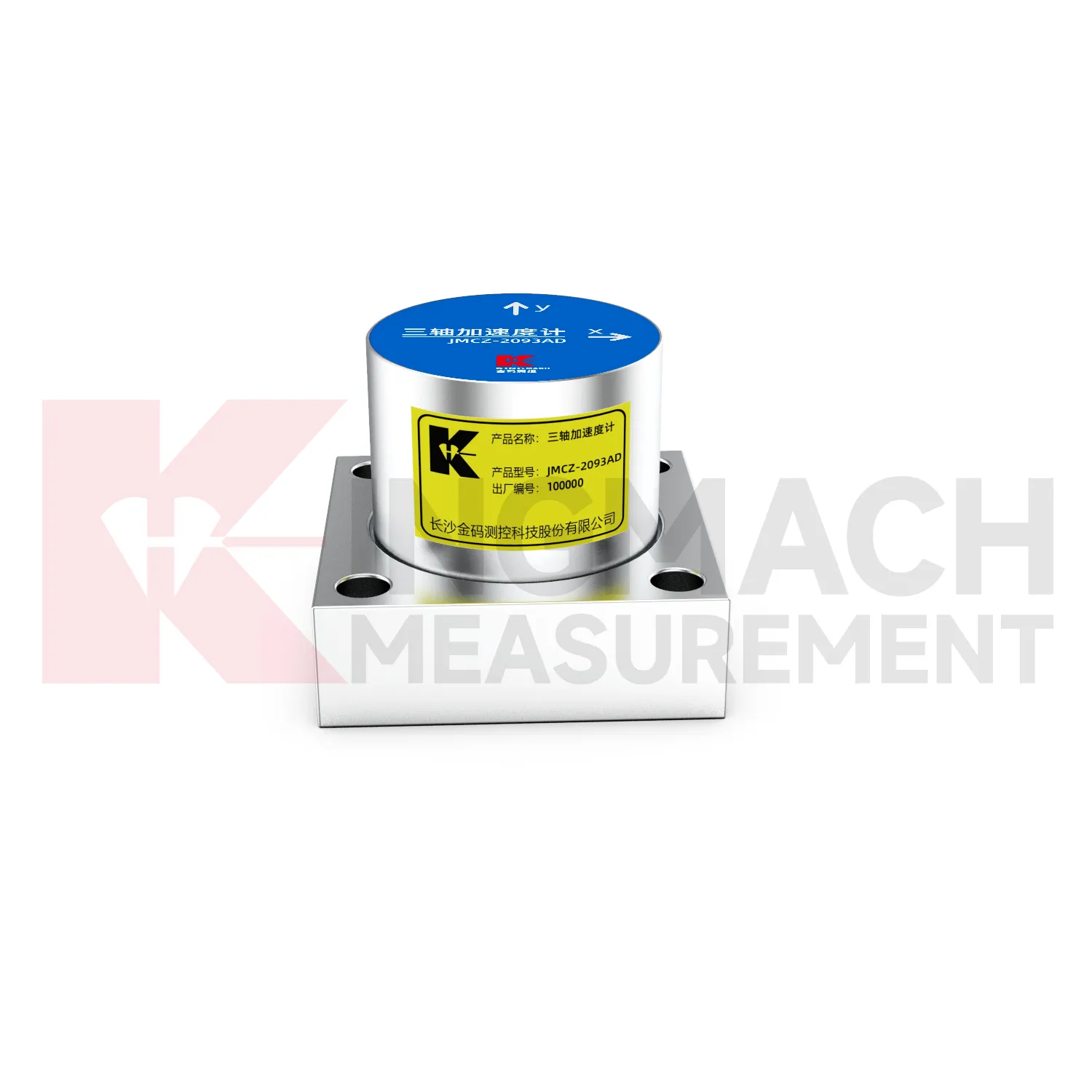
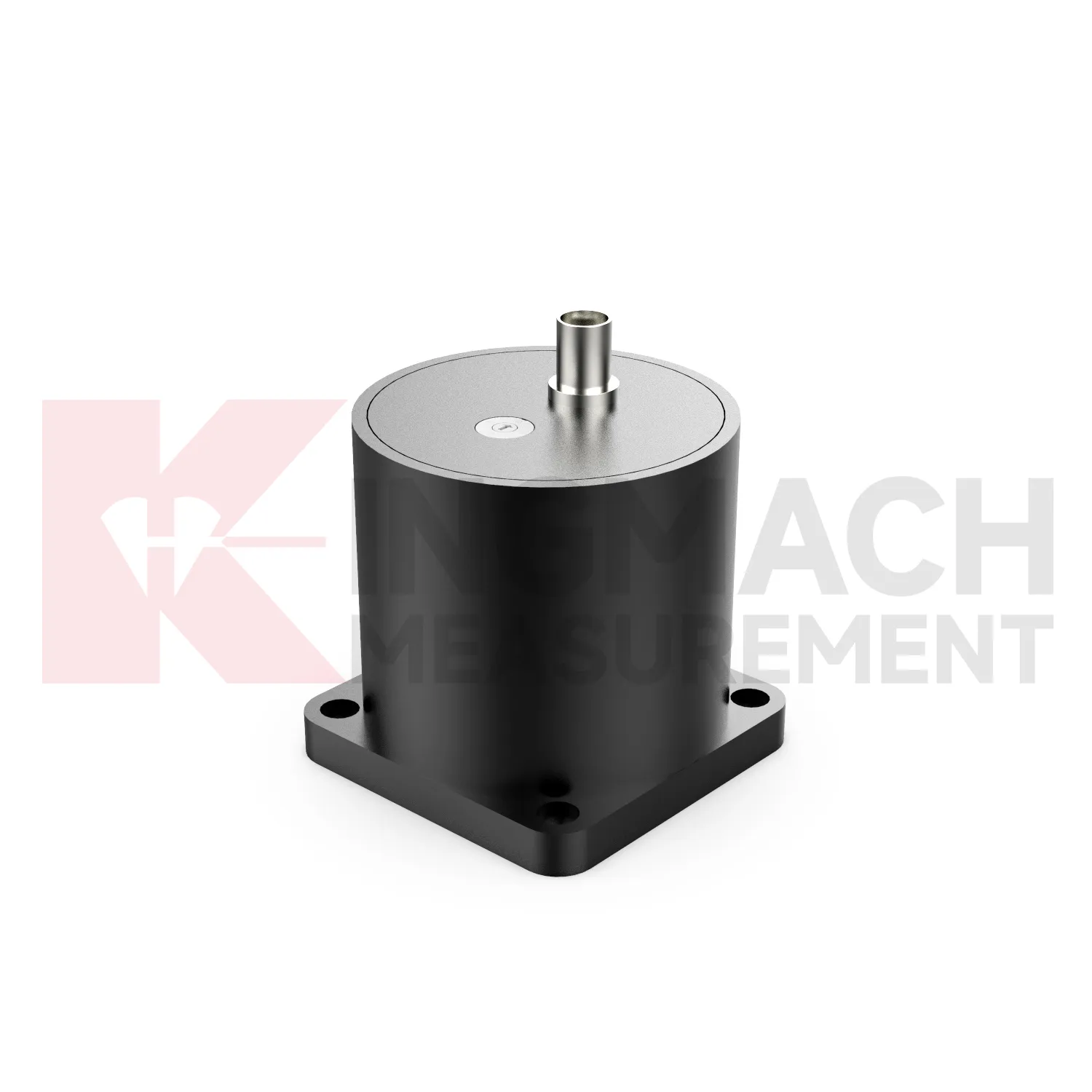
Knock detection sounds simple in theory—measure vibration and flag anything that looks like detonation. In practice, the gap between a usable signal and a false alarm often comes down to the sensor. That’s where the design details matter: how well the sensor rejects thermal noise, how flat its frequency response stays in the upper kHz range, and whether it can survive years bolted to a hot engine block. Kingmach knock combustion vibration sensors are built for those details. We use piezoelectric elements with carefully tuned resonant frequencies, matched to the typical knock bandwidth of common engine geometries. The housings are sealed against oil and coolant splash, and cable connections are strain-relieved to prevent microphonics. Because our production covers a wide range of geotechnical and industrial sensors, we’re used to adapting designs for specific projects. If a standard model doesn’t fit your engine’s mounting boss or output requirements, we can adjust sensitivity, connector type, or even the mechanical interface without starting from scratch. The result is a sensor that gives your ECU or analyzer clean data, cylinder by cylinder, so you can push closer to the knock limit without crossing it.
Technical Detail
Engine knock isn’t just a noise problem. It’s pressure spikes that can crack pistons and erode cylinder heads. Vibration-based knock detection remains the most cost-effective way to monitor this phenomenon, and the sensor is the front line. Kingmach designs its knock combustion vibration sensors around a central trade-off: sensitivity versus robustness. A sensor that’s too sensitive picks up valve clatter and injector noise; one that’s too rugged might miss light knock. Our approach uses a single-ended compression design with a piezoelectric crystal stack, preloaded to a repeatable torque. This gives a near-linear charge output over a wide dynamic range, typically from a few milli-g to several hundred g. The frequency response is tailored to the 5–15 kHz band where knock energy concentrates, with a resonant peak placed above 20 kHz to keep the passband flat. Housings are stainless steel or hard-anodized aluminum, depending on the model, with IP67 sealing as a baseline. Mounting options include through-bolt, stud, and custom flange adapters. Electrical connections can be two-wire IEPE (integrated electronics) or charge-mode with high-temperature hardline cables for exhaust-side installations. Beyond the hardware, Kingmach supports integration from the start. Our application engineers can review your engine’s knock signature and recommend sensor placement, cable routing, and signal conditioning. If your monitoring system requires a specific sensitivity or connector pinout, we handle small-batch customization without the typical NRE shock. With distribution partners in over 30 countries and a technical support team that answers inquiries within one business day, we make sure the sensor isn’t the bottleneck in your test program. Whether you’re running durability tests on a new engine design or maintaining a fleet of stationary gas engines, the right knock sensor helps you sleep better.
News
Key Takeaways An alert chain needs more than a sensor: define field in...
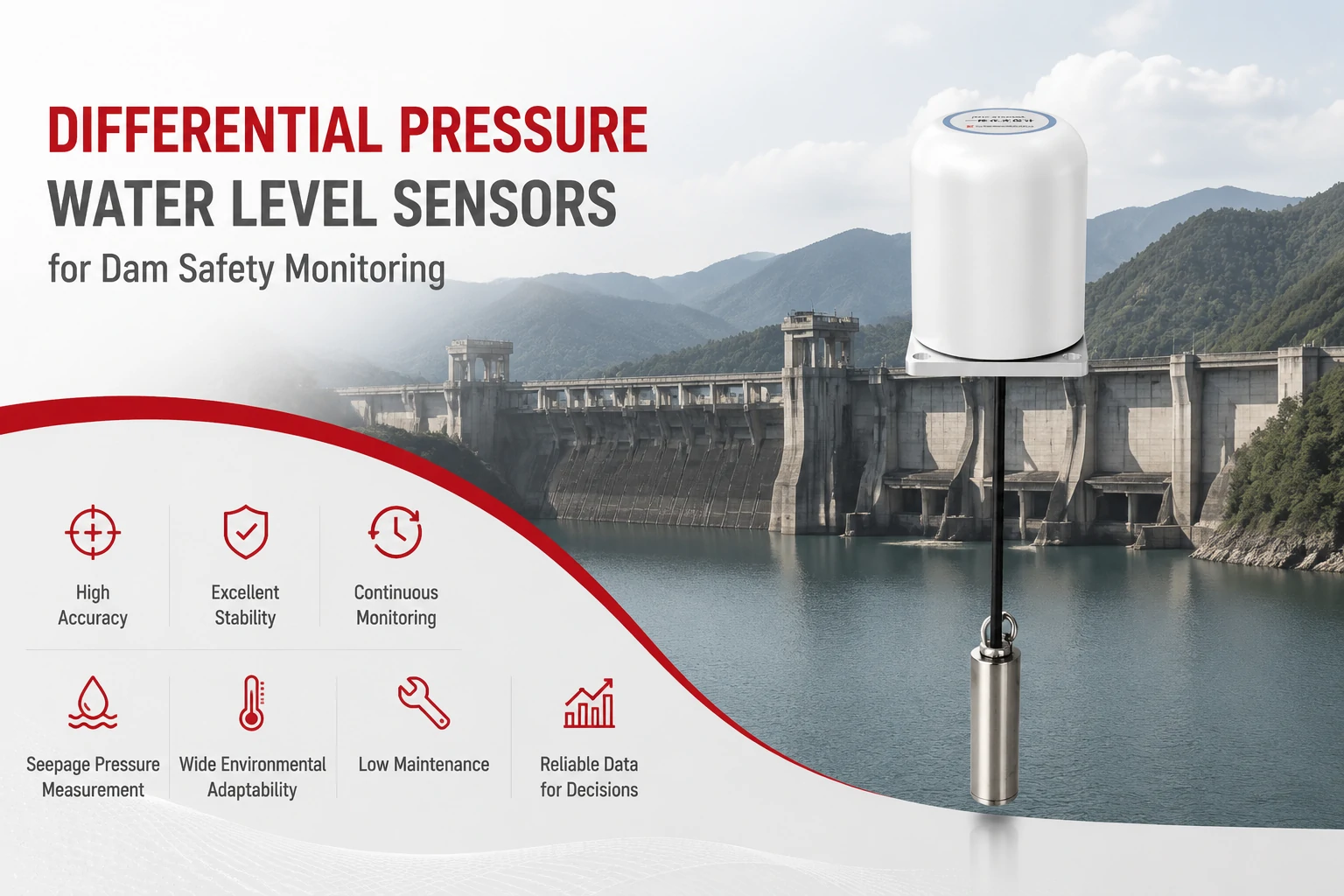
Key Takeaways The strongest fit is usually a confined, submerged, or s...
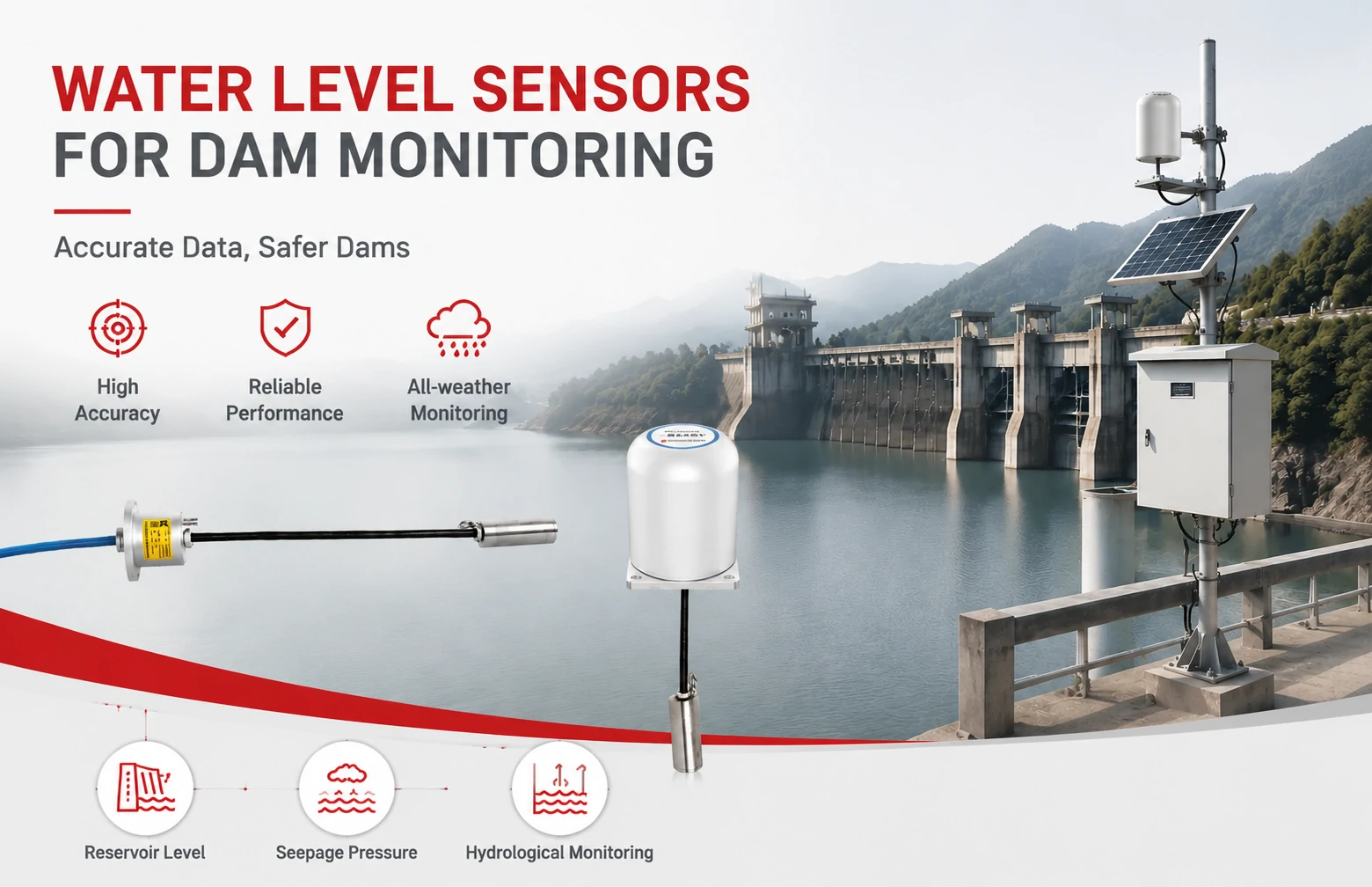
Kingmach Water Level Sensors for Dam Monitoring: A Buyer's Guide to Differential Pre...
Products
FAQ
A knock sensor is tuned to the specific frequency range where engine knock occurs, usually 5–15 kHz, and is built to withstand high temperatures and direct engine block mounting. General accelerometers often have wider bandwidths but may not be rugged enough for continuous combustion-exposed locations.
Sensitivity depends on engine size and the expected knock intensity. Smaller engines typically need higher sensitivity to catch light knock, while large industrial engines may require lower sensitivity to avoid signal saturation. Our team can help match sensitivity to your engine family.
Yes. Because we manufacture in-house, we can offer custom threads, connector types, and even sensor body dimensions for specific project needs. Lead times vary, but we keep the process straightforward.
We offer both charge-mode (high-impedance) sensors for use with external charge amplifiers and IEPE (low-impedance) sensors with built-in electronics for direct connection to DAQ systems.
Absolutely. Our sensors are designed for long-term monitoring on gas engines, diesel generators, and dual-fuel engines. The sealed housings and high-temperature materials hold up well in 24/7 operation.
Share your product type, target capacity, and application requirements. Our team can review the details and recommend a practical next step.
If you are interested in our products or want to become our partner.
Please leave your contact information, our team will contact you as soon as possible.
Mail: [email protected]
Contact Us: +8613808434127
Address: No. 188 Tongzipo West Rd, Changsha, Hunan, China