
 EN
EN
 ar
ar bg
bg hr
hr cs
cs da
da nl
nl fi
fi fr
fr de
de el
el hi
hi it
it ko
ko no
no pl
pl pt
pt ro
ro ru
ru es
es sv
sv tl
tl iw
iw id
id lv
lv lt
lt sr
sr sk
sk sl
sl uk
uk vi
vi et
et hu
hu th
th tr
tr fa
fa ms
ms hy
hy ka
ka ur
ur bn
bn mn
mn ta
ta kk
kk uz
uz ku
ku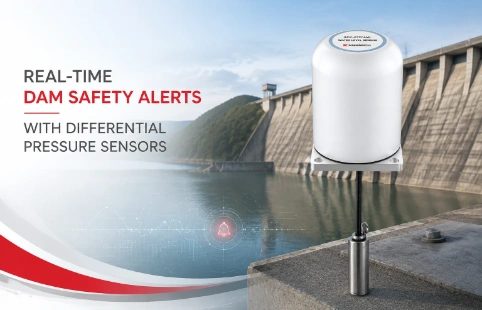
Real-Time Dam Safety Alerts with Differential Pressure Water Level Sensors
Key Takeaways An alert chain needs more than a sensor: define field in...

Concrete Strain Gauges for Long-Term Monitoring
When concrete cracks, it's often too late to see the signs. Strain gauges embedded early give engineers real data on how a structure breathes under load. Kingmach supplies these sensors for bridges, tunnels, and buildings where small movements matter. We manufacture a range of embedment strain gauges that work with most readout systems. Our team can also customize the gauge length or cable to fit tricky formwork or long cable runs. This page covers what our concrete strain gauges can do and how they fit into your monitoring setup.
Technical Detail
Kingmach concrete strain gauges use a full bridge circuit to reject temperature changes that show up as false strain. The stainless steel body holds up fine in wet concrete and keeps moisture out of the wiring. Each gauge has a built-in temperature sensor so you can correct for any remaining thermal effects. Standard gauge lengths are 150 mm, 200 mm, and 300 mm, which match most embedment needs. For mass concrete pours where the aggregate size is larger, we can supply longer gauges. The sensing element is a vibrating wire, which gives a stable frequency signal over long cable distances. A typical gauge reads up to ±3000 microstrain, enough to catch both tension and compression in reinforced concrete. Installation is simple: you tie the gauge to the rebar with included zip ties before the pour. We provide a protective cover over the sensing area so the concrete bonds only at the end flanges. This ensures that the gauge picks up strain from the concrete, not just the local rebar. For permanent monitoring, the gauge connects to a terminal box or directly to a datalogger. Our team can help you size the cable and pick the right readout equipment. We also keep records of each gauge's calibration data, which you get with the shipment. If you have a project with unusual geometry or a very tight schedule, reach out. We often stock common models and can ship within a week, and custom builds don't take much longer.
News
Key Takeaways An alert chain needs more than a sensor: define field in...
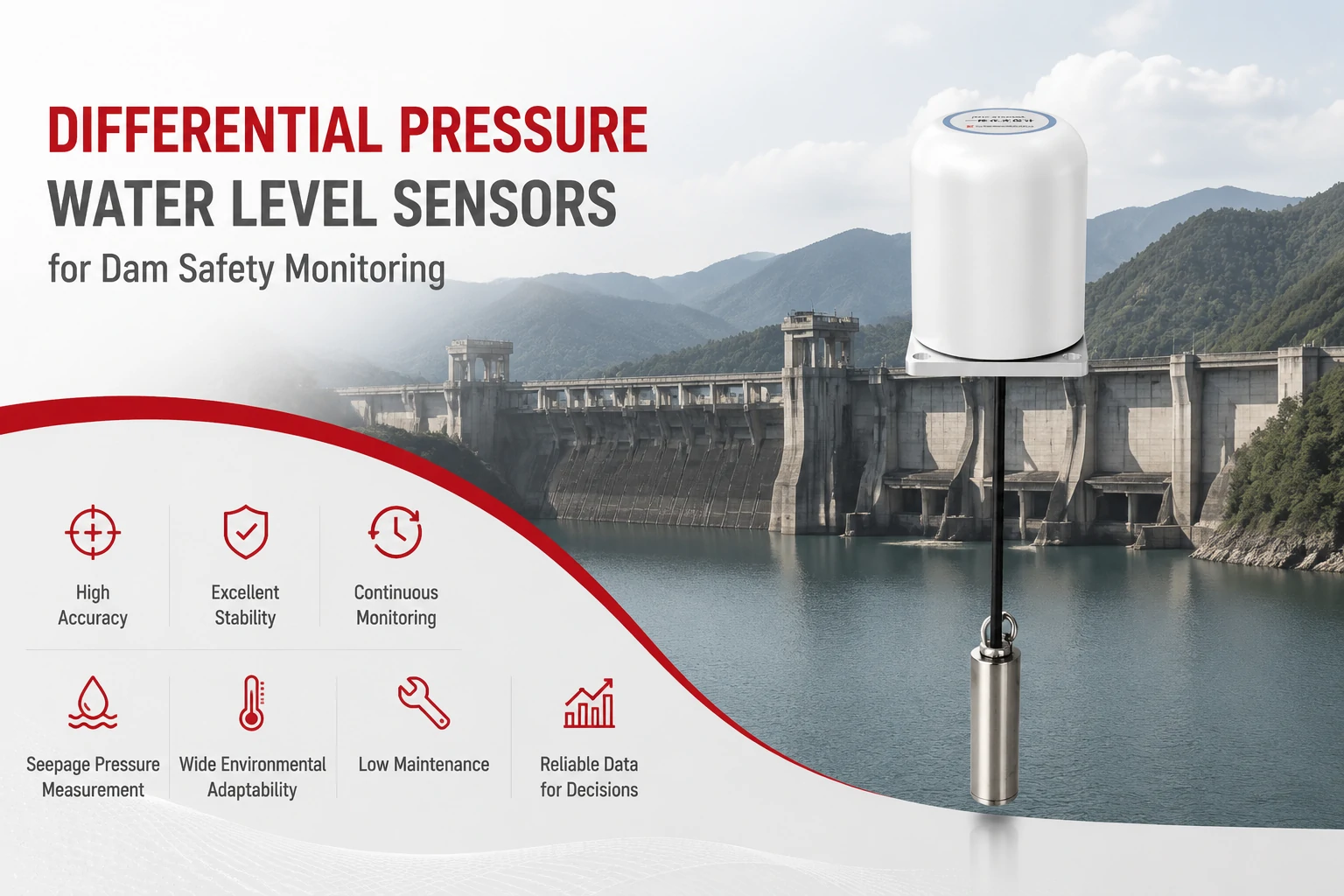
Key Takeaways The strongest fit is usually a confined, submerged, or s...
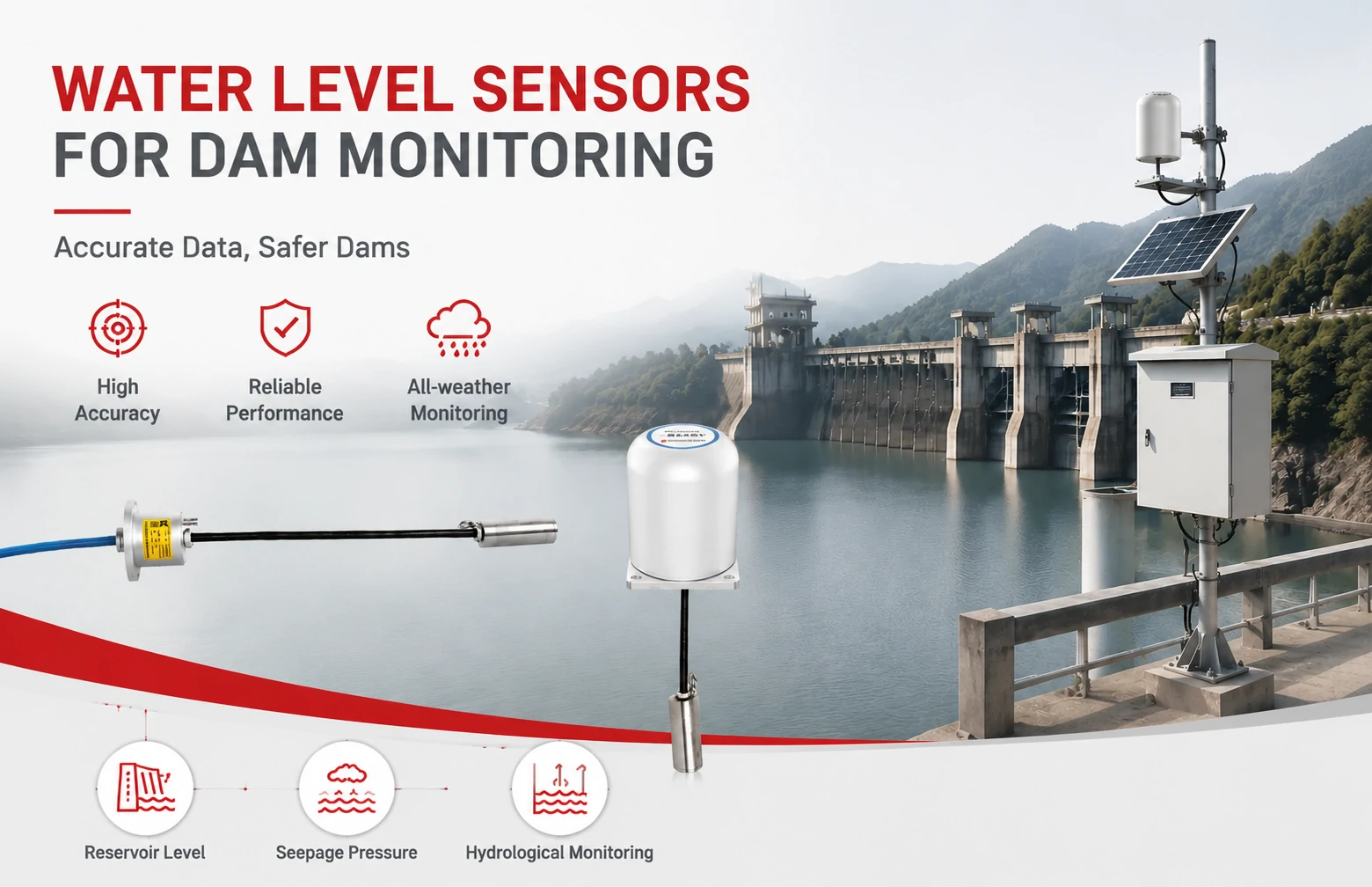
Kingmach Water Level Sensors for Dam Monitoring: A Buyer's Guide to Differential Pre...
Products
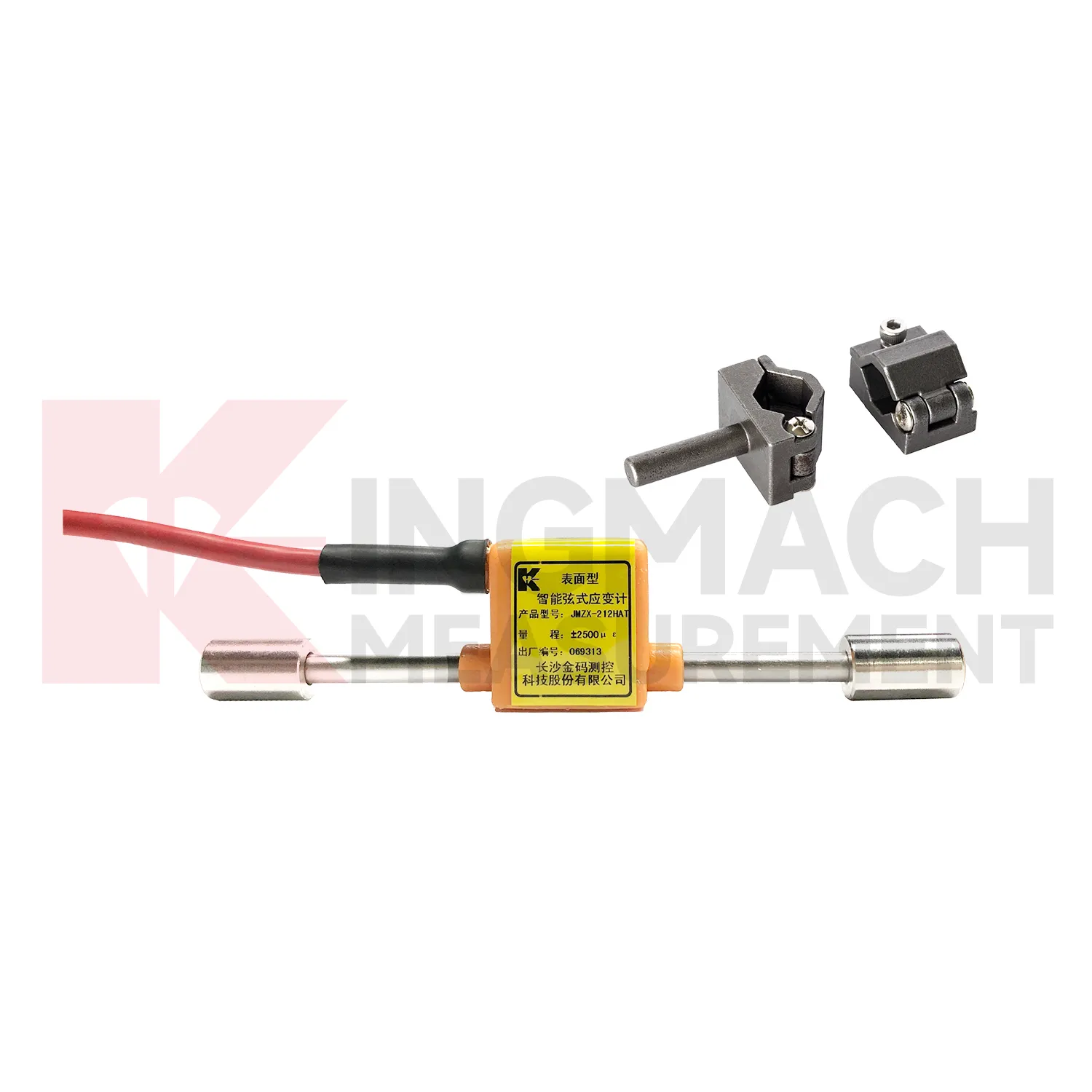
Smart vibrating wire strain gauge (surface model) JMZX-212HAT/HB
View Details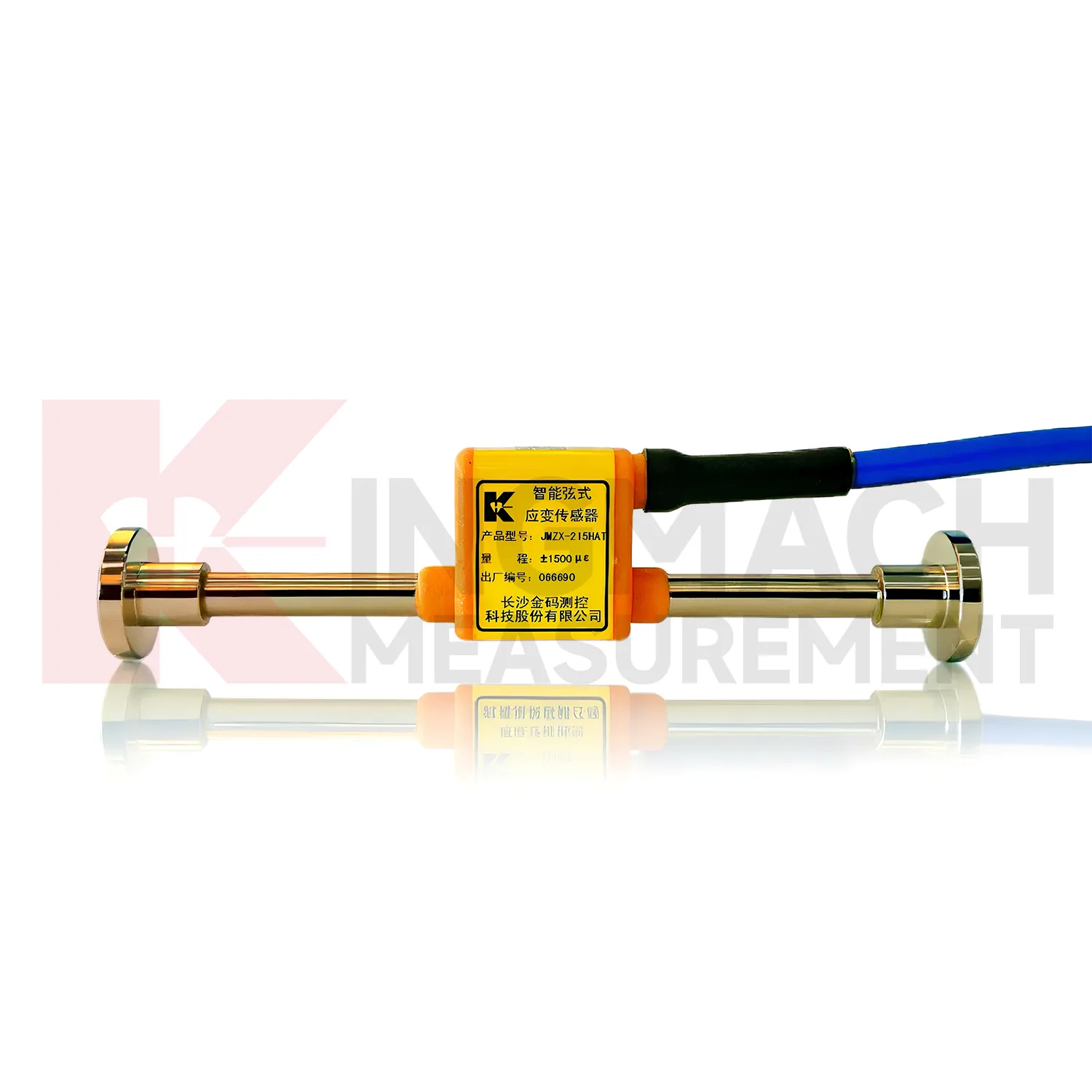
Smart vibrating wire strain gauge (embedment model) JMZX-215HA/215HAT/HB
View Details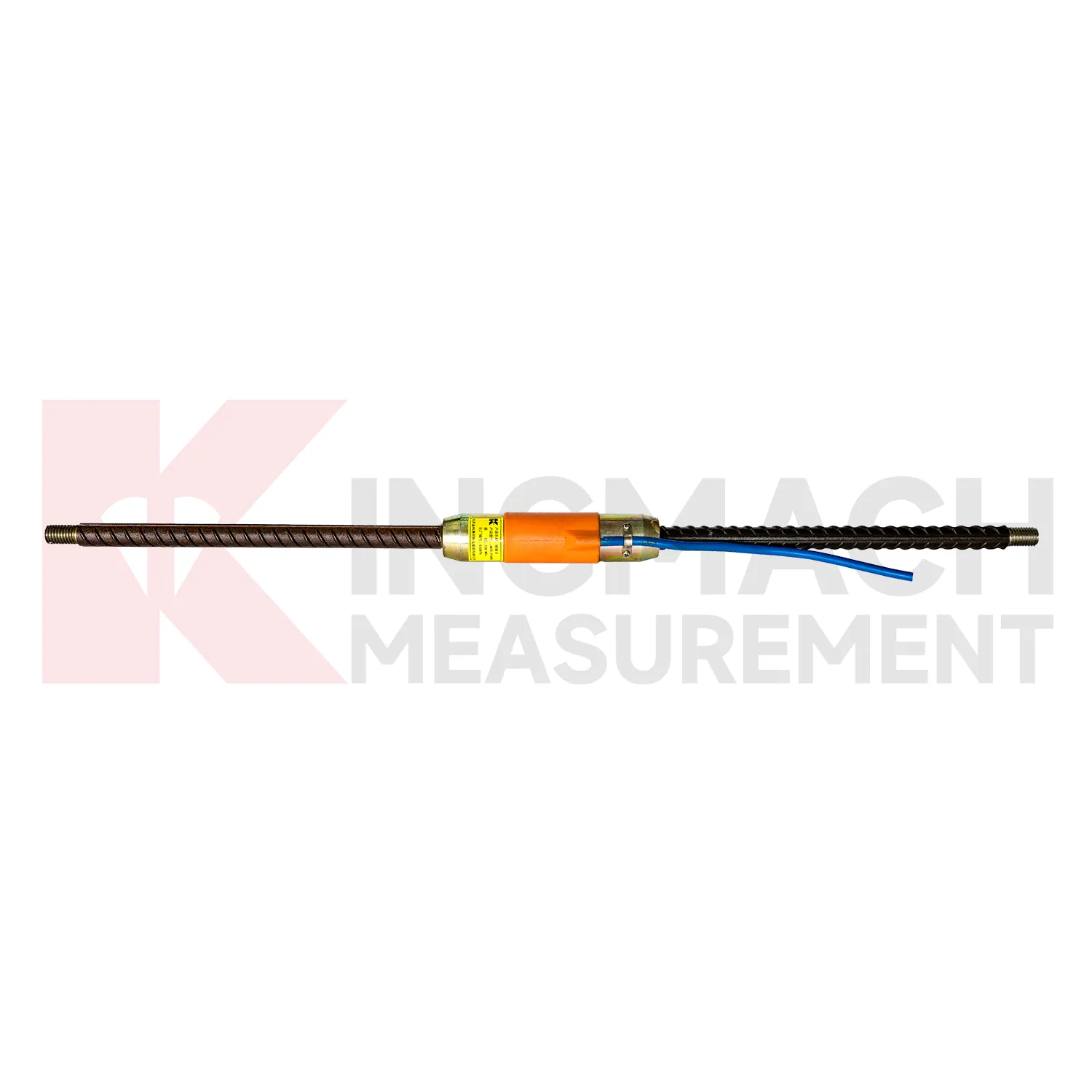
Rebar Strainmeters ( VW & Smart Type) JMZX-4XXHAT/HB
View DetailsFAQ
You fasten the gauge to the rebar cage using zip ties or wire. The gauge ends should be tied firmly so they don't shift when concrete is placed. We provide a protective sleeve over the middle section so the concrete only grips the end flanges. After the pour, the concrete will strain as it cures and when loads are applied, and the gauge measures that strain between the two end anchors.
Embedment gauges go inside fresh concrete and measure strain throughout the volume. Surface mount gauges are attached to hardened concrete with epoxy or anchors. Embedment gauges give a more complete picture of how the whole cross-section behaves, while surface gauges are easier to add later but only see what happens at the surface.
Yes. The vibrating wire inside is pre-tensioned so it can measure shortening (compression) and lengthening (tension). The range is typically symmetric, like ±3000 microstrain, so it works for both directions.
With the normal factory cable, you can run several hundred meters without losing signal quality. If you need more length, we can supply a signal amplifier or work with you on a suitable cable specification. We've had projects where the cable ran over 500 meters and the readings stayed stable.
You can check the frequency reading with a readout box. If the signal is steady and the temperature sensor reading looks normal, the gauge is still functioning. Many of our gauges have been in service for over a decade. If a gauge gets damaged by later construction work, it's usually obvious because the reading will jump or go open-circuit.
Share your product type, target capacity, and application requirements. Our team can review the details and recommend a practical next step.
If you are interested in our products or want to become our partner.
Please leave your contact information, our team will contact you as soon as possible.
Mail: [email protected]
Contact Us: +8613808434127
Address: No. 188 Tongzipo West Rd, Changsha, Hunan, China