
 EN
EN
 ar
ar bg
bg hr
hr cs
cs da
da nl
nl fi
fi fr
fr de
de el
el hi
hi it
it ko
ko no
no pl
pl pt
pt ro
ro ru
ru es
es sv
sv tl
tl iw
iw id
id lv
lv lt
lt sr
sr sk
sk sl
sl uk
uk vi
vi et
et hu
hu th
th tr
tr fa
fa ms
ms hy
hy ka
ka ur
ur bn
bn mn
mn ta
ta kk
kk uz
uz ku
ku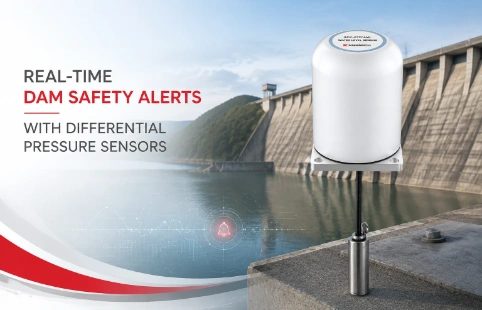
Real-Time Dam Safety Alerts with Differential Pressure Water Level Sensors
Key Takeaways An alert chain needs more than a sensor: define field in...

Central Acquisition Expansion Module: Practical Channel Expansion
Monitoring programs often start small and grow. A few extra sensors get added, a new borehole is drilled, and suddenly the data logger runs out of input channels. That’s where a central acquisition expansion module fits—it gives you more analog or digital inputs without replacing the whole system. Kingmach’s module works with their central acquisition units to keep cable runs short and signal quality intact across distributed sensors in tunnels, slopes, and foundations. Instead of duplicating costly communication links, you add one box, wire the sensors, and configure the channels in software. The module typically handles common geotechnical sensors—vibrating wire, strain gauge, inclinometer—and passes digitized readings to the main unit for storage or telemetry. Installation is straightforward with DIN-rail mounts and plug-in terminals, and the address setting is usually done via DIP switches so there’s no guesswork on site.
Technical Detail
Kingmach designs this expansion module as a straightforward way to increase the channel count of a central data acquisition system. It suits permanent monitoring setups as well as long-term construction-phase instrumentation where budgets can’t jump to a full new logger every time a sensor array grows. The module connects to the main unit through a rugged RS-485 bus, which most of their systems already support, and draws power from the same source. Each module adds a fixed number of channels—commonly 8 or 16 in industrial configurations—and multiple modules can be daisy-chained to reach hundreds of points while keeping wiring manageable. Inside, the signal conditioning covers the typical sensor outputs: millivolt, 4–20 mA, and vibrating wire frequency. Kingmach builds in surge protection on each channel and optical isolation on the communication side, which helps reduce ground-loop noise that often plagues distributed monitoring. Because the unit is fanless and rated for industrial temperature ranges, it works inside dam galleries or beside railway tracks without active cooling. Configuration is handled through the same software package used for the central logger, so the learning curve stays flat for technicians familiar with Kingmach’s interface. For projects that need customization, the company can adjust channel mix, add relay outputs for alarm triggering, or pre-wire terminal blocks to match specific connector types.
News
Key Takeaways An alert chain needs more than a sensor: define field in...
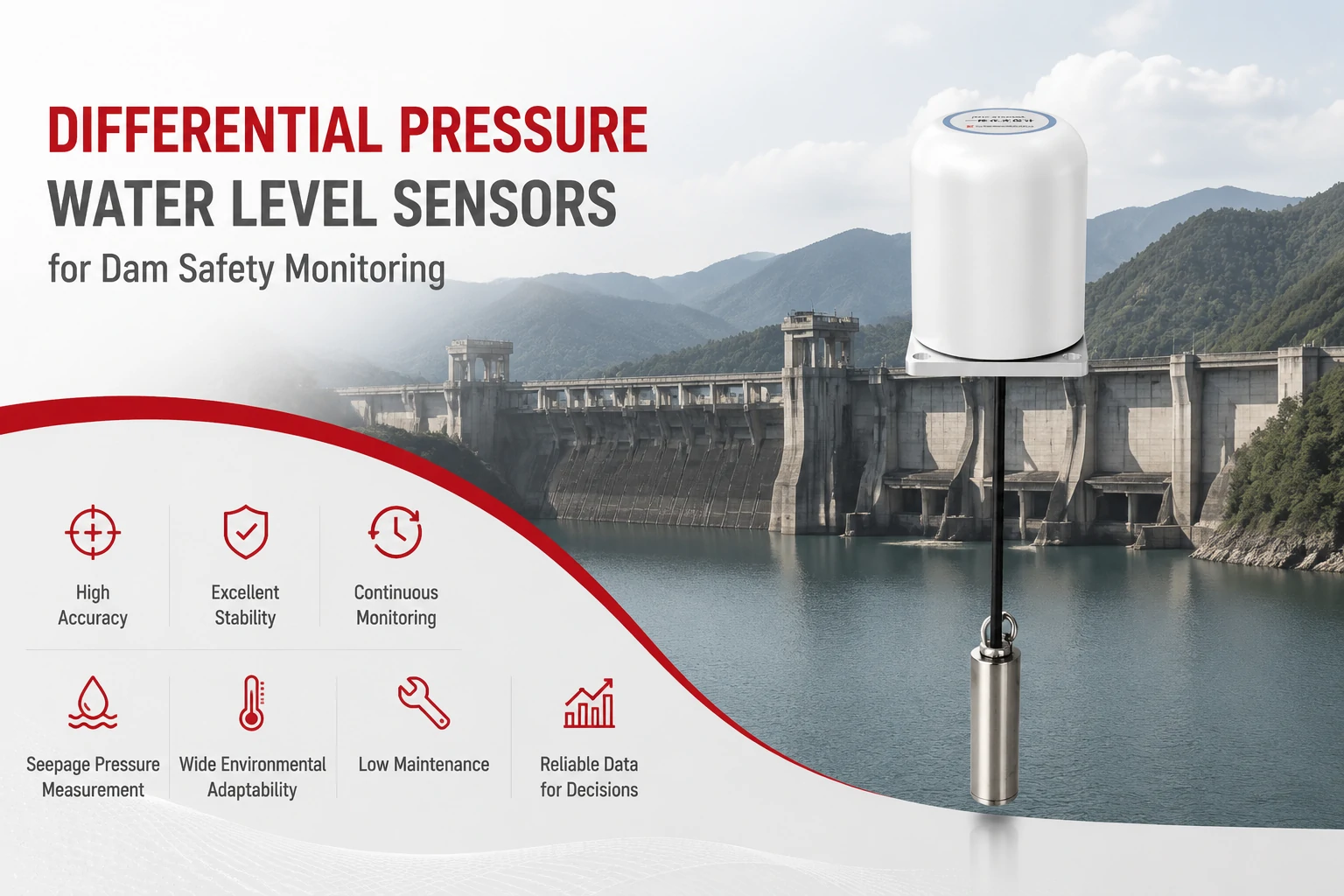
Key Takeaways The strongest fit is usually a confined, submerged, or s...
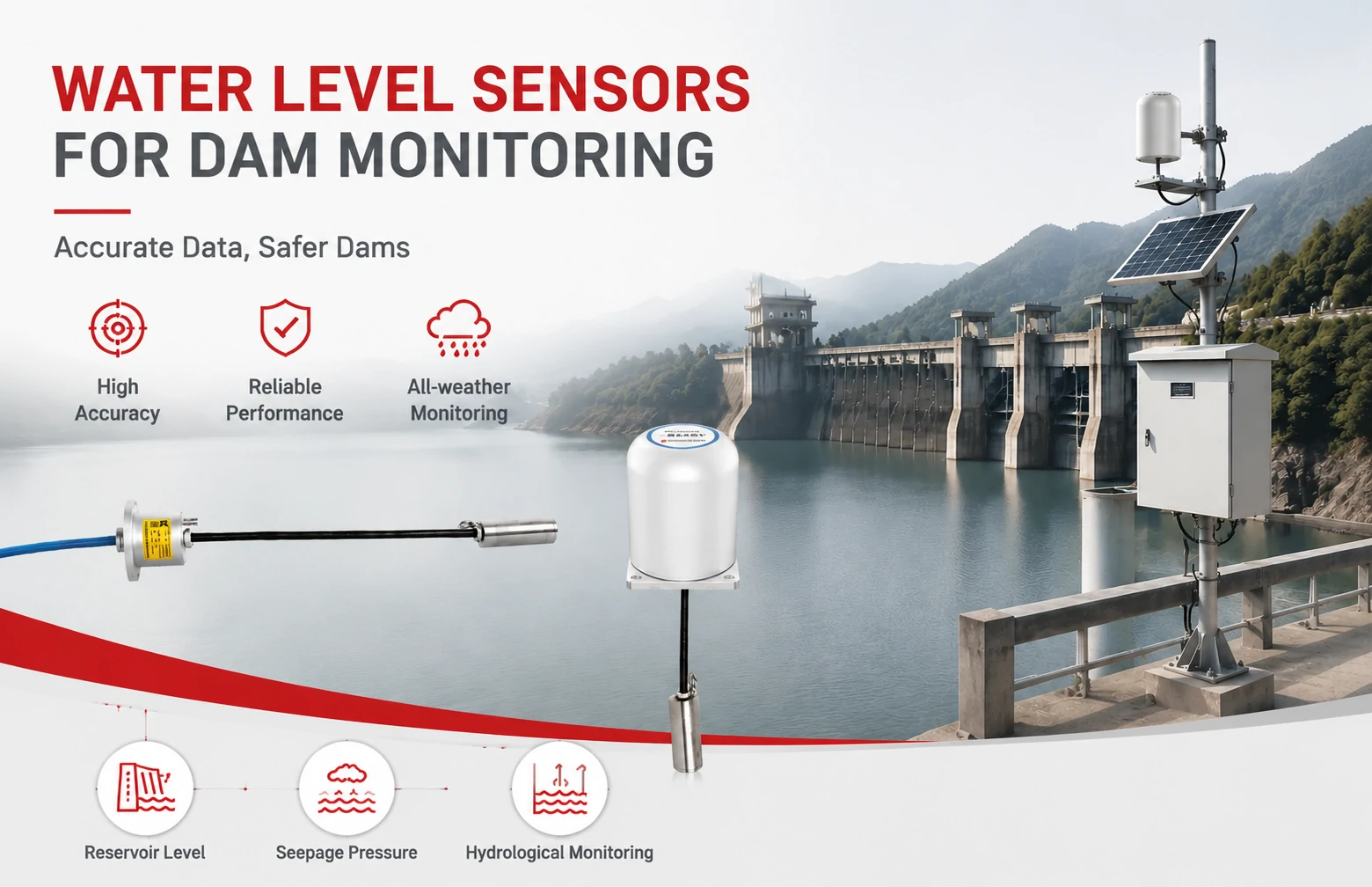
Kingmach Water Level Sensors for Dam Monitoring: A Buyer's Guide to Differential Pre...
Products
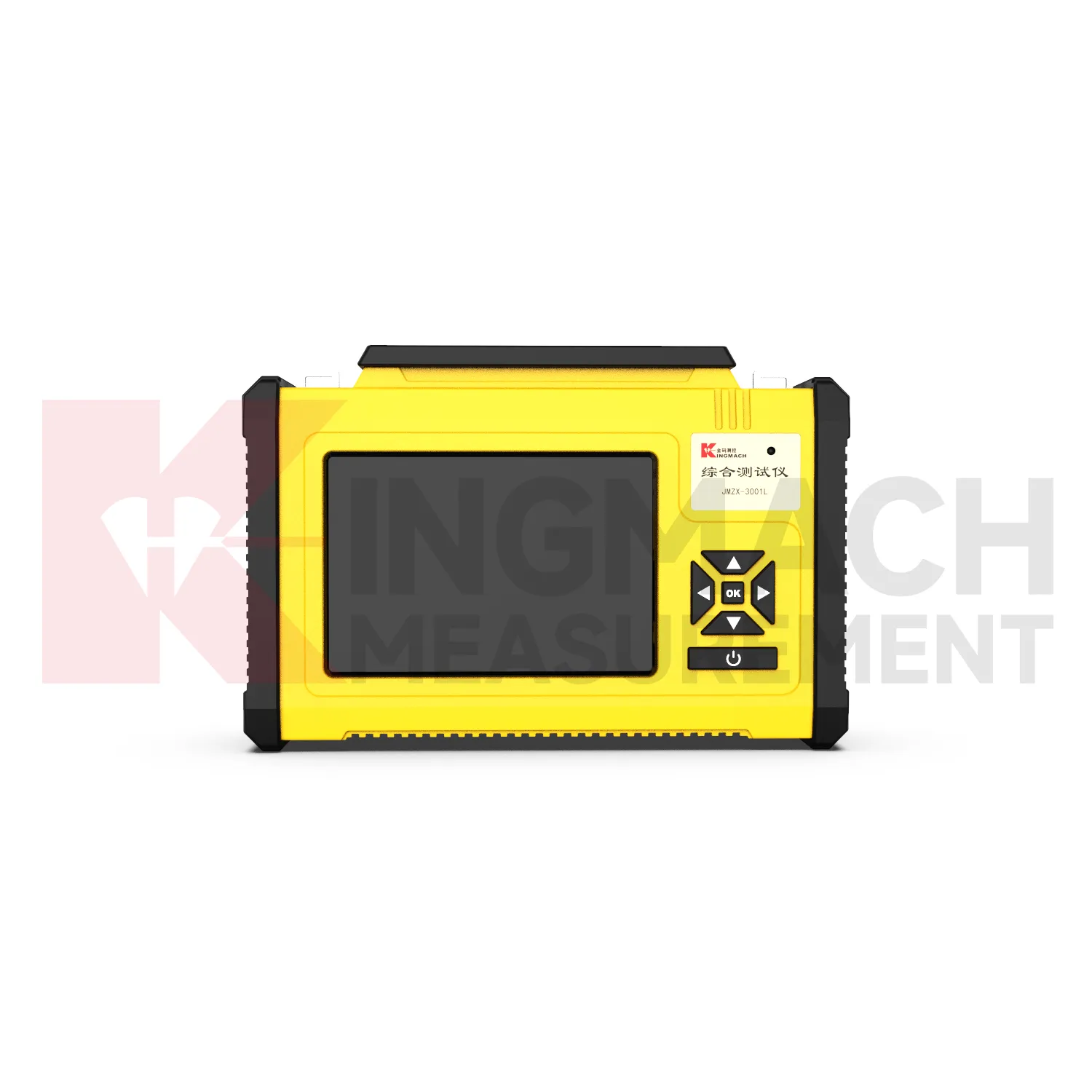
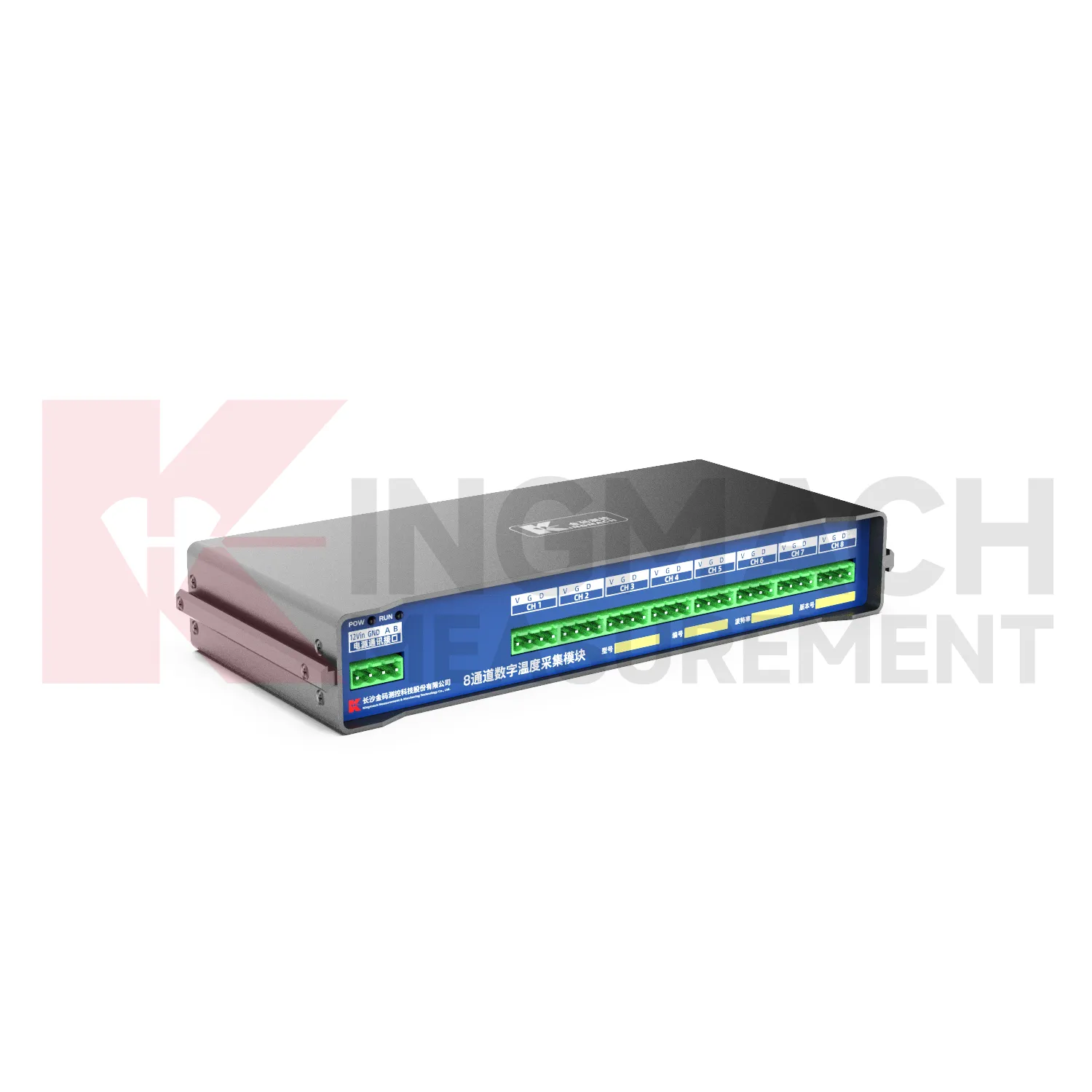
8-Channel Digital Temperature Acquisition ModuleJMWT-8DTH
View Details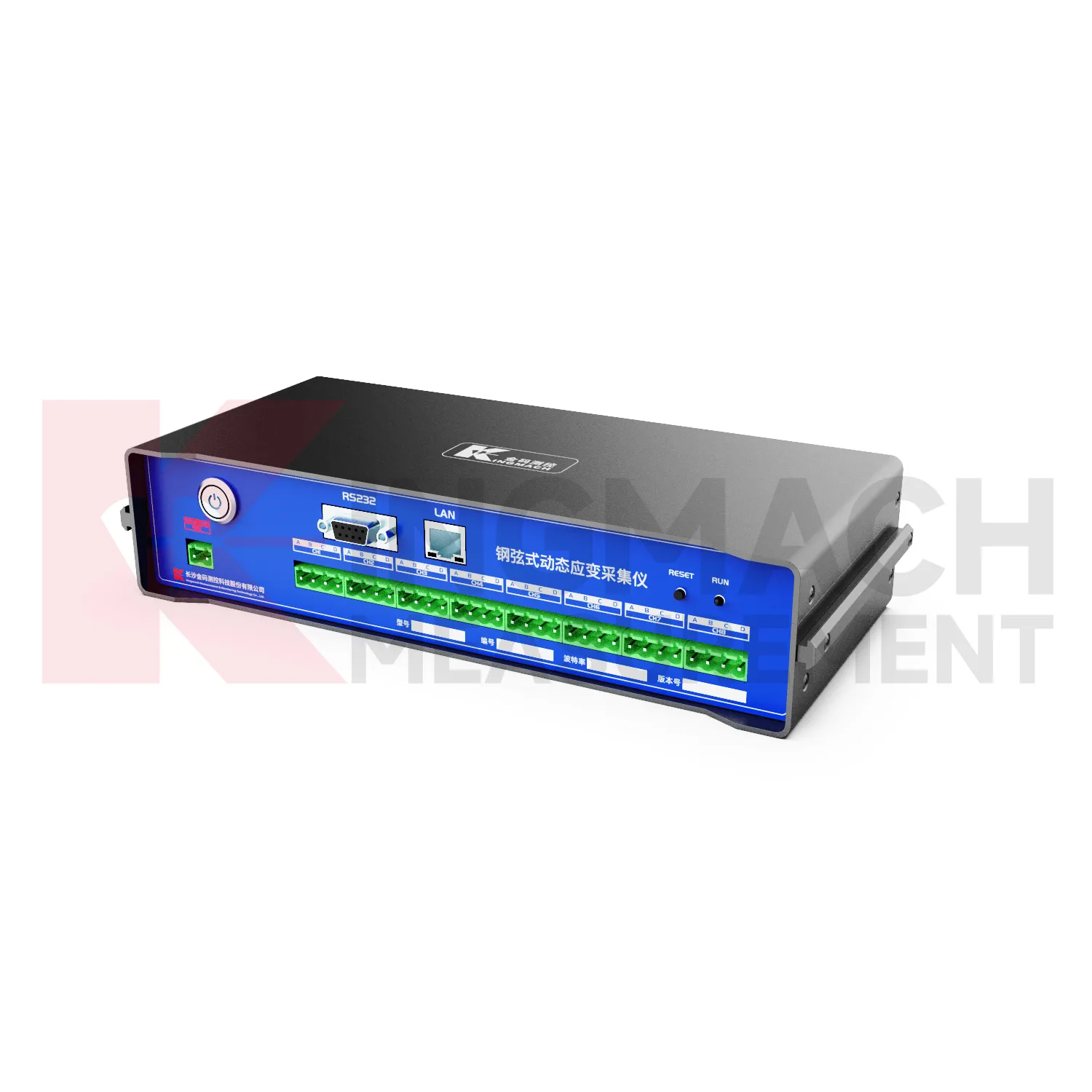
FAQ
It normally uses an RS-485 serial bus with Modbus protocol. The module has two communication ports for daisy-chaining, and you set a unique address with physical switches before wiring it into the network.
Yes, most versions accept a mix. You might have two vibrating wire piezometers and six 4–20 mA displacement sensors on the same unit. The configuration software lets you define each channel independently.
The limit depends on the bus driver capacity and sampling rate requirements. Typically, up to 32 devices can share the same RS-485 segment, but for higher scan rates a practical number might be lower. Kingmach’s documentation provides the exact addressing range for each logger model.
In most field setups, you power it from the same DC source as the main logger. The module’s wide input range, often 9–36 V DC, simplifies solar or battery-powered installations. If cable distance is long, a local supply is recommended.
The electrical interface follows standard Modbus RTU, so it generally works with other systems. But full plug-and-play integration with automatic sensor recognition is only guaranteed when used with Kingmach’s central units and configuration tool.
Share your product type, target capacity, and application requirements. Our team can review the details and recommend a practical next step.
If you are interested in our products or want to become our partner.
Please leave your contact information, our team will contact you as soon as possible.
Mail: [email protected]
Contact Us: +8613808434127
Address: No. 188 Tongzipo West Rd, Changsha, Hunan, China