
 EN
EN
 ar
ar bg
bg hr
hr cs
cs da
da nl
nl fi
fi fr
fr de
de el
el hi
hi it
it ko
ko no
no pl
pl pt
pt ro
ro ru
ru es
es sv
sv tl
tl iw
iw id
id lv
lv lt
lt sr
sr sk
sk sl
sl uk
uk vi
vi et
et hu
hu th
th tr
tr fa
fa ms
ms hy
hy ka
ka ur
ur bn
bn mn
mn ta
ta kk
kk uz
uz ku
ku
strain gauge and load cell
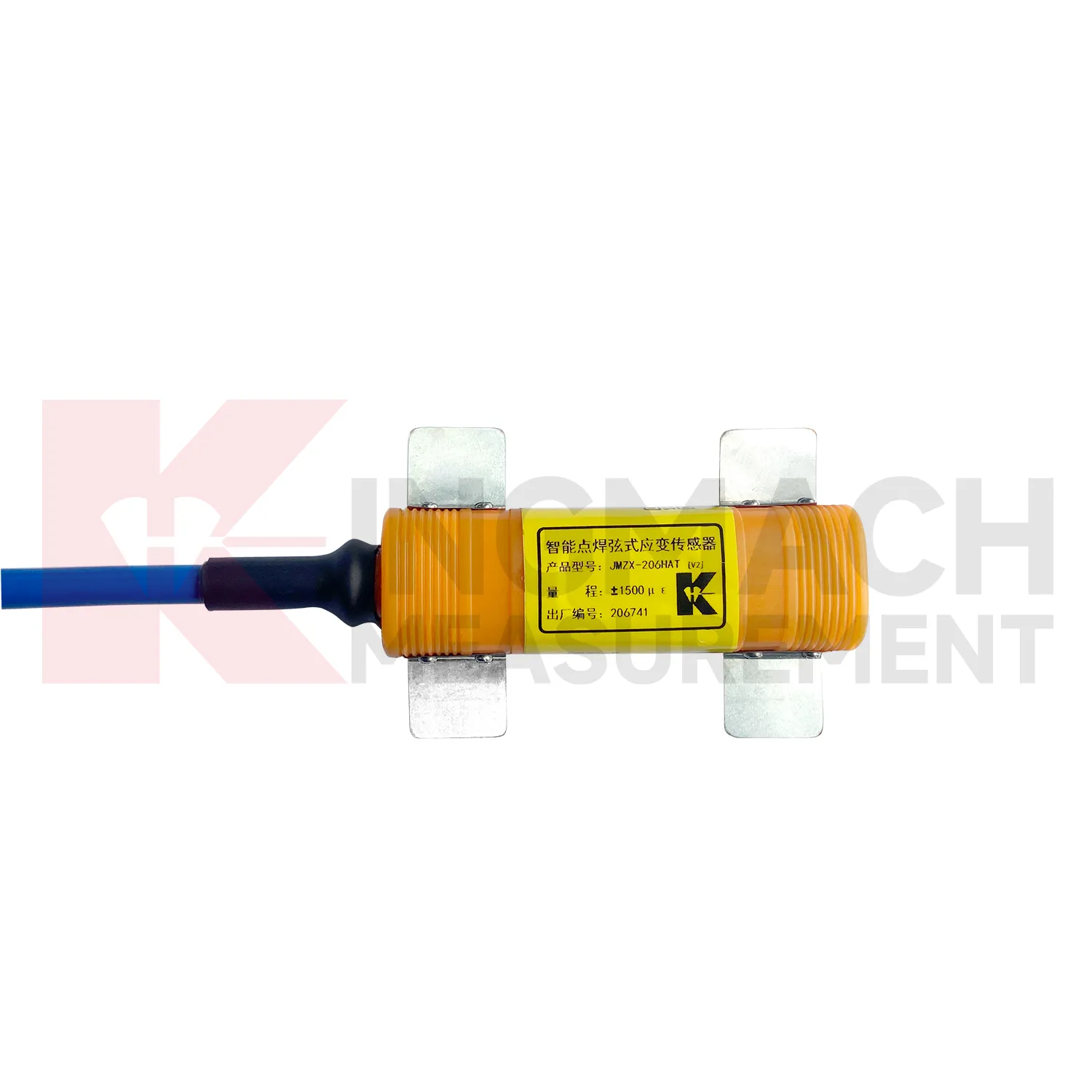
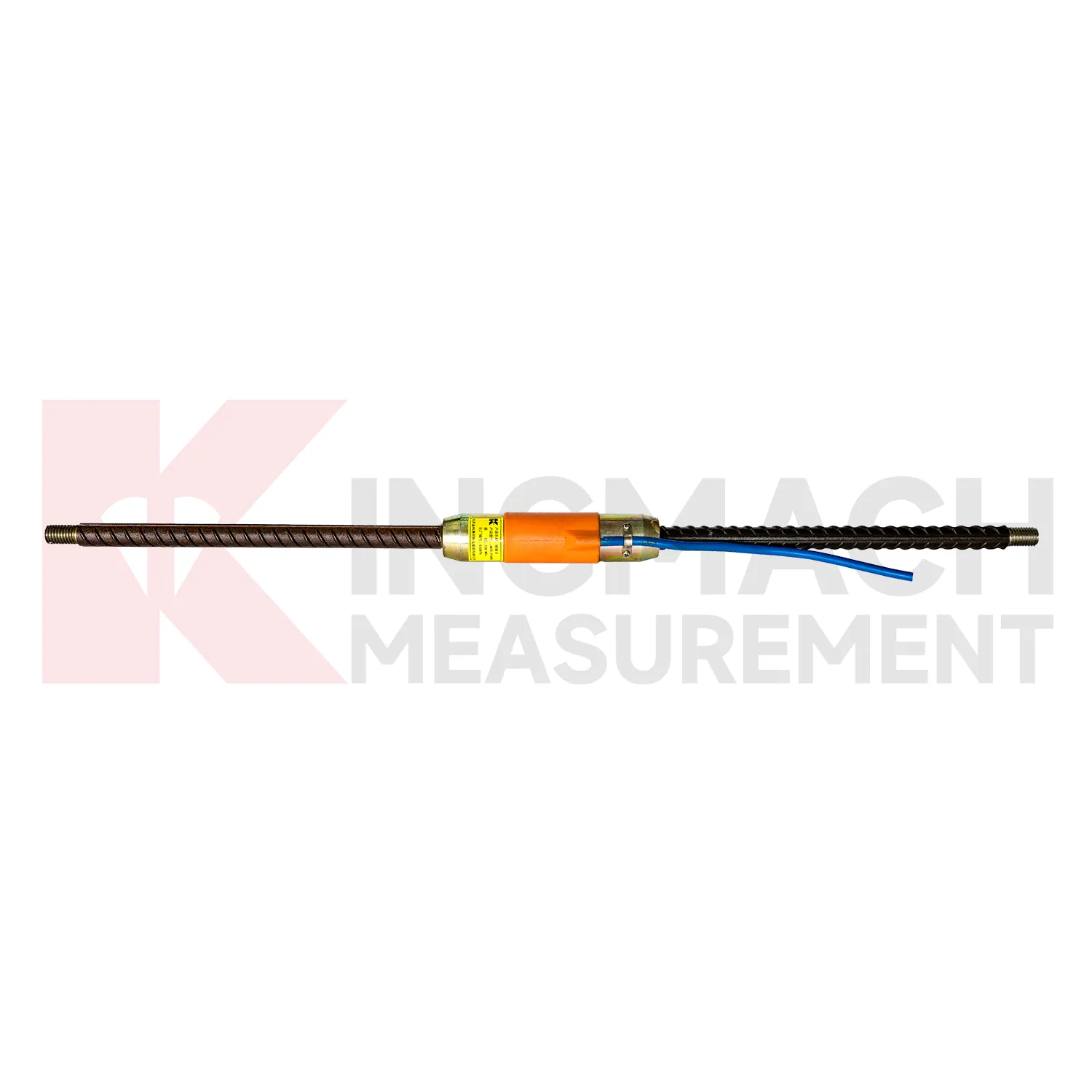
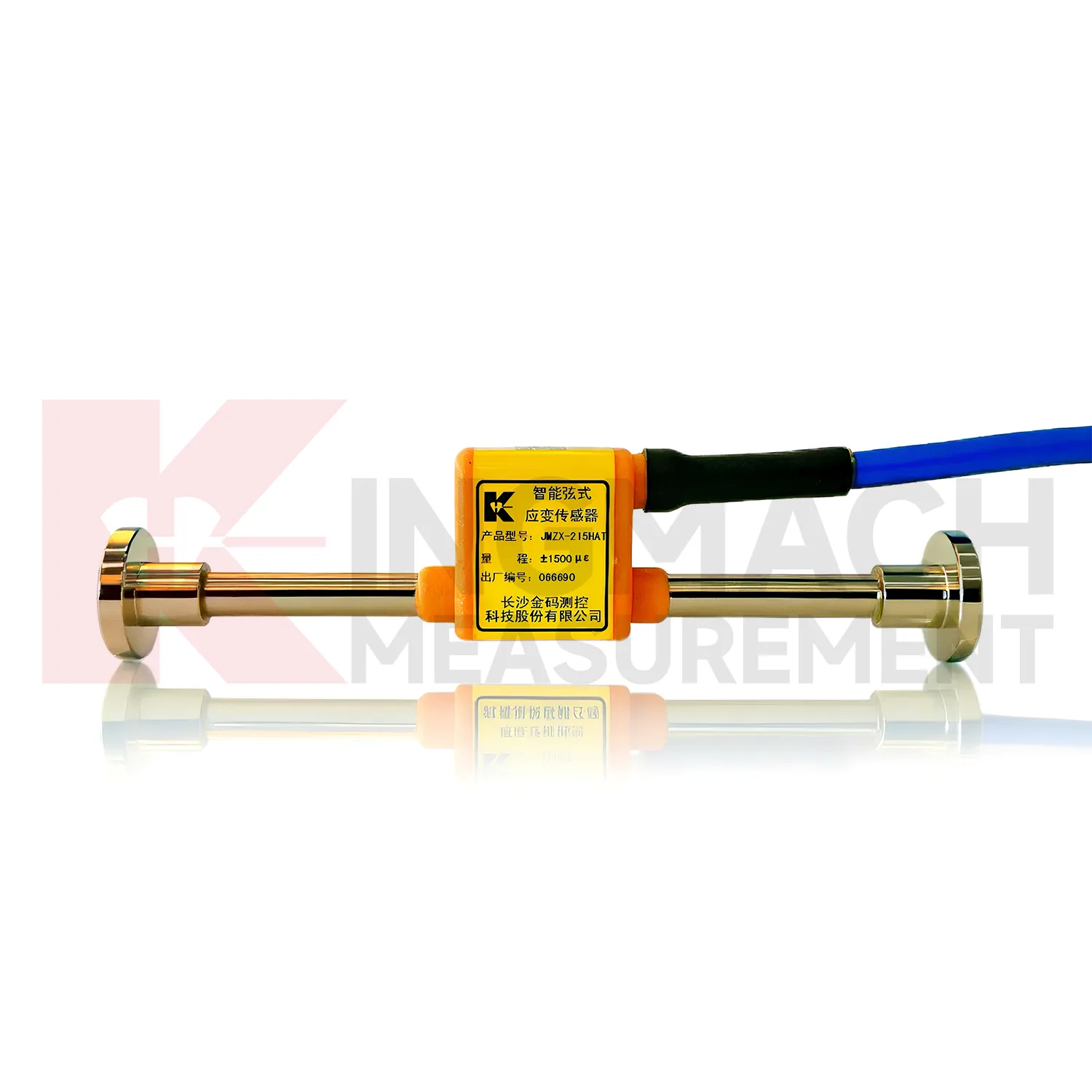
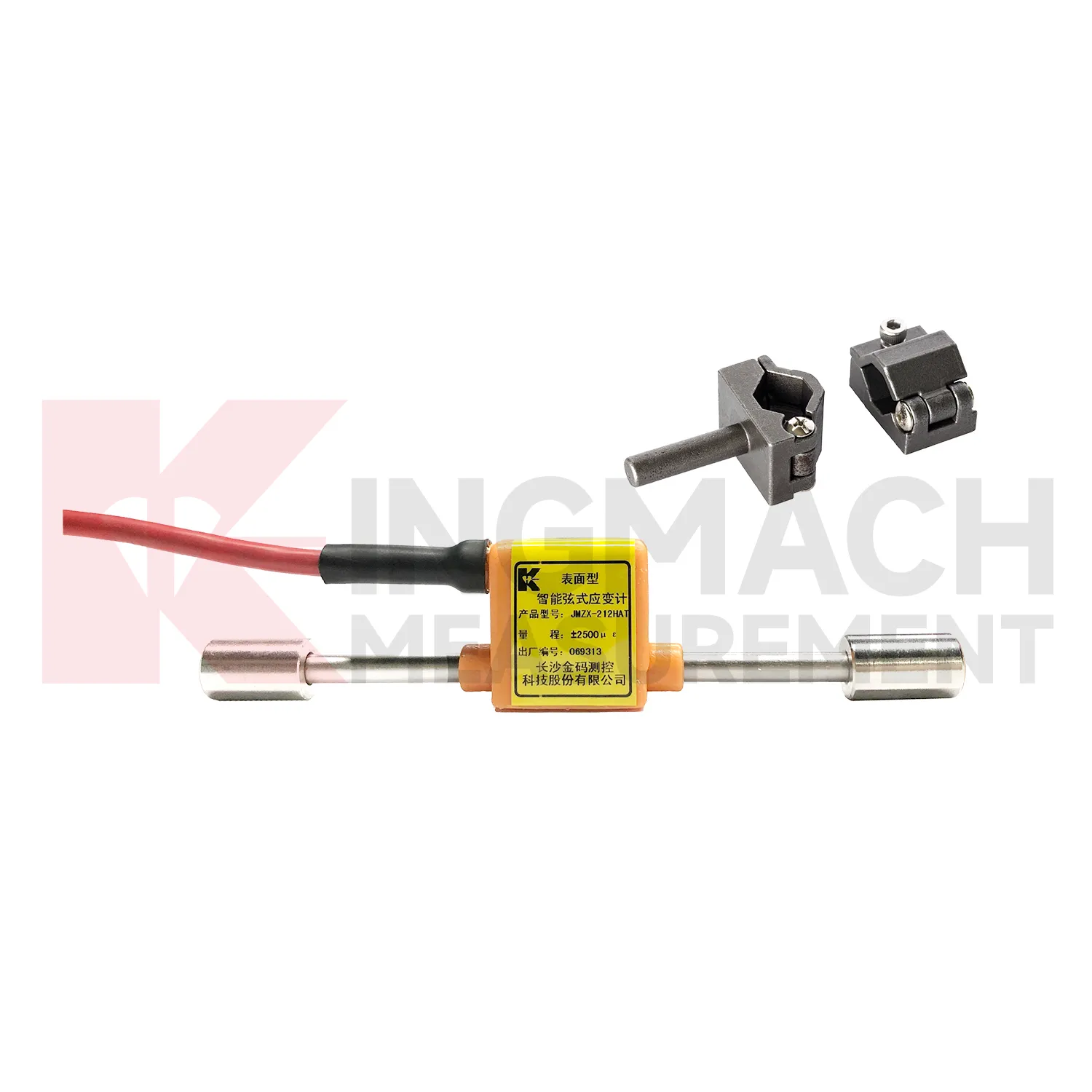
Kingmach {keyword} can be selected for different strain measurement tasks without changing the basic monitoring logic. For exposed concrete or steel surfaces, the JMZX-212HAT/HB model reads surface strain and supports temperature correction. For internal concrete behavior, the JMZX-215HA/215HAT/HB model is installed before pouring and monitors shrinkage, creep, and service strain. For steel structures, the JMZX-206HAT model uses spot welding and offers a -1500 to +2500 microstrain range. For reinforcement stress, the JMZX-4XXHAT/HB rebar strainmeter covers -200 MPa to 350 MPa. Kingmach pairs these instruments with readouts, acquisition systems, and monitoring platforms, allowing project teams to move from a single reading to a managed strain record across construction and operation. This supports several purchasing paths because the information remains product based while still covering manufacturer capability, supplier support, data acquisition, pressure sensing, force sensing, and structural monitoring needs. That is why model data, calibration values, and channel labels should travel with the product from procurement to commissioning. For field teams, those details also shape installation tools, spare cable length, readout selection, and protection work. They also help the owner decide whether manual reading, scheduled logging, or unattended monitoring is the better operating method.
Application of strain gauge and load cell
In wind tower and tall structure monitoring, {keyword} can be installed on tower bases, steel sections, concrete transition areas, reinforcement, and connection zones to track bending stress, fatigue, and wind induced strain. These structures face repeated load cycles, vibration, temperature variation, and difficult access after commissioning. Kingmach welded strain gauges provide digital detection, strong anti interference capability, and storage for model data, serial number, calibration coefficients, and up to 800 records. Surface gauges can also provide 0.1 microstrain resolution and optional temperature correction. When strain data is reviewed with accelerometer and tiltmeter readings, operators can see whether tower movement and stress remain within expected patterns. This supports maintenance scheduling and helps avoid relying only on periodic visual inspection. This application also benefits from Kingmach's wider monitoring catalog. Strain can be checked against settlement, tilt, displacement, crack, piezometer, water level, and vibration data to avoid reading one channel out of context. This gives the project team a better way to separate normal behavior from a change that needs inspection. For field use, the strain point should be named, mapped, protected, and reviewed with nearby sensors before any alarm is judged. The same record can support staged construction control, post event inspection, and long term maintenance planning.
The future of strain gauge and load cell
The next generation of {keyword} will likely combine traditional vibrating wire stability with newer communication and analytics tools. MEMS devices, fiber optic sensing, LoRa transmission, 5G gateways, and edge computing will not replace every vibrating wire strain gauge, especially in long term civil monitoring, but they will change how data is collected and reviewed. Kingmach's position is strongest where sensors, acquisition hardware, and platform software work together. A surface gauge with 0.1 microstrain resolution, an embedded gauge with 150 meter waterproof durability, or a welded model with digital record storage can feed the same monitoring workflow. The trend is not vague intelligence. It is better sensor identity, fewer manual readings, faster comparison, and more reliable maintenance decisions. Kingmach's strain gauge range already gives a base for that shift because it includes waterproof vibrating wire models, temperature versions, digital detection, automated acquisition support, and platform connectivity. The strongest gains will come from cleaner records and faster fault checks.
Care & Maintenance of strain gauge and load cell
For long term monitoring, {keyword} should be checked as part of the whole measurement chain, not only as a sensor body. Kingmach surface and embedded vibrating wire gauges provide 0.1 microstrain resolution and 0.5%F.S. accuracy, but those numbers depend on stable mounting, protected wiring, and correct acquisition settings. During use, review baseline trends, compare nearby channels, and note construction events, traffic changes, or temperature swings. Do not reset the baseline casually after unusual weather or heavy loading. For waterproof models rated to 150 meters, still inspect cable exits and seals because most field failures start at connection points. A clean, named, time stamped record is often the best maintenance tool. This is especially important when the gauge is embedded or welded, because replacement may be difficult after concrete pouring, coating work, rail service, or bridge operation has resumed. Review the channel after major site work. Replace damaged protection before water reaches the connection.
Kingmach strain gauge and load cell
For reinforced concrete work, {keyword} can be installed where the stress path cannot be seen after pouring. Embedded gauges and rebar strainmeters allow engineers to follow internal strain, reinforcement stress, shrinkage, creep, and load transfer inside concrete members. Kingmach's JMZX-215HA/215HAT/HB embedded model is tied to rebar or mounted on brackets before concrete placement, while the JMZX-4XXHAT/HB rebar strainmeter measures stress in reinforcing steel. These instruments are useful in dams, bridges, pile foundations, cut off walls, tunnels, and large buildings. The data helps project teams understand whether the internal structure is carrying load as intended after construction advances. Because the monitoring point is selected around an engineering risk, the reading can support inspection planning, load review, reinforcement work, or acceptance testing. It also gives engineers a cleaner baseline for later comparison. The same data can guide inspection notes and repair timing. Site records matter. That field record supports later inspection.
FAQ
Q: How should {keyword} be maintained?
A: Inspect the sensor protection, cable route, junction boxes, seals, channel labels, and baseline trends. Compare readings with temperature and nearby sensors before judging an alarm.
Q: How often should calibration be checked?
A: Follow project requirements and review calibration before load tests, major construction stages, repair work, or when readings drift without a clear site reason.
Q: What causes unstable readings?
A: Common causes include loose wiring, water entry, damaged cable jackets, poor grounding, surface debonding, weak welds, wrong acquisition settings, and real structural movement.
Q: Can the sensor be replaced after embedment?
A: Usually not without structural work, so embedded gauges need careful installation, cable protection, and documentation before concrete is poured.
Q: What records should be kept?
A: Keep model, serial number, calibration coefficients, location, installation photos, cable route, channel name, baseline readings, and maintenance notes.
Reviews
Christopher Martinez
Very satisfied with the readouts & data loggers. User-friendly interface and supports multiple sensor inputs.
Joshua Clark
We ordered a full monitoring solution including sensors and data loggers. Everything works seamlessly together. Great supplier!
Latest Inquiries
To protect the privacy of our buyers, only public service email domains like Gmail, Yahoo, and MSN will be displayed. Additionally, only a limited portion of the inquiry content will be shown.
Evelyn***@gmail.comSouth Africa
Hi, we are a contractor working on tunnel construction and need settlement sensors and displacement ...
Harper***@gmail.comIndia
Dear Sir, we are planning to procure a complete monitoring system including strain gauges, tiltmeter...