
 EN
 ar
 bg
 hr
 cs
 da
 nl
 fi
 fr
 de
 el
 hi
 it
 ko
 no
 pl
 pt
 ro
 ru
 es
 sv
 tl
 iw
 id
 lv
 lt
 sr
 sk
 sl
 uk
 vi
 et
 hu
 th
 tr
 fa
 ms
 hy
 ka
 ur
 bn
 mn
 ta
 kk
 uz
 ku

small strain gauge
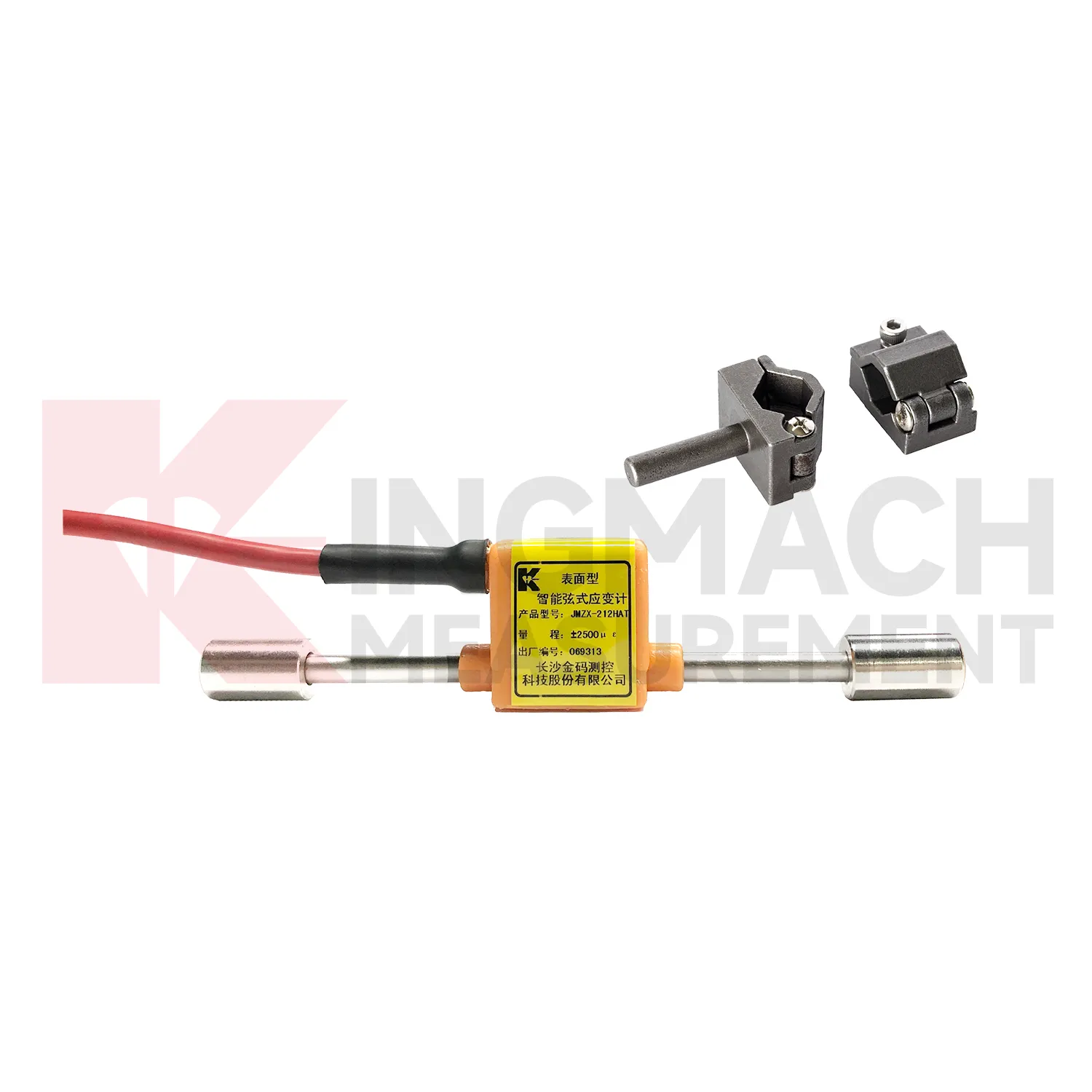
Kingmach {keyword} can be selected for different strain measurement tasks without changing the basic monitoring logic. For exposed concrete or steel surfaces, the JMZX-212HAT/HB model reads surface strain and supports temperature correction. For internal concrete behavior, the JMZX-215HA/215HAT/HB model is installed before pouring and monitors shrinkage, creep, and service strain. For steel structures, the JMZX-206HAT model uses spot welding and offers a -1500 to +2500 microstrain range. For reinforcement stress, the JMZX-4XXHAT/HB rebar strainmeter covers -200 MPa to 350 MPa. Kingmach pairs these instruments with readouts, acquisition systems, and monitoring platforms, allowing project teams to move from a single reading to a managed strain record across construction and operation. This supports several purchasing paths because the information remains product based while still covering manufacturer capability, supplier support, data acquisition, pressure sensing, force sensing, and structural monitoring needs. That is why model data, calibration values, and channel labels should travel with the product from procurement to commissioning. For field teams, those details also shape installation tools, spare cable length, readout selection, and protection work. They also help the owner decide whether manual reading, scheduled logging, or unattended monitoring is the better operating method.
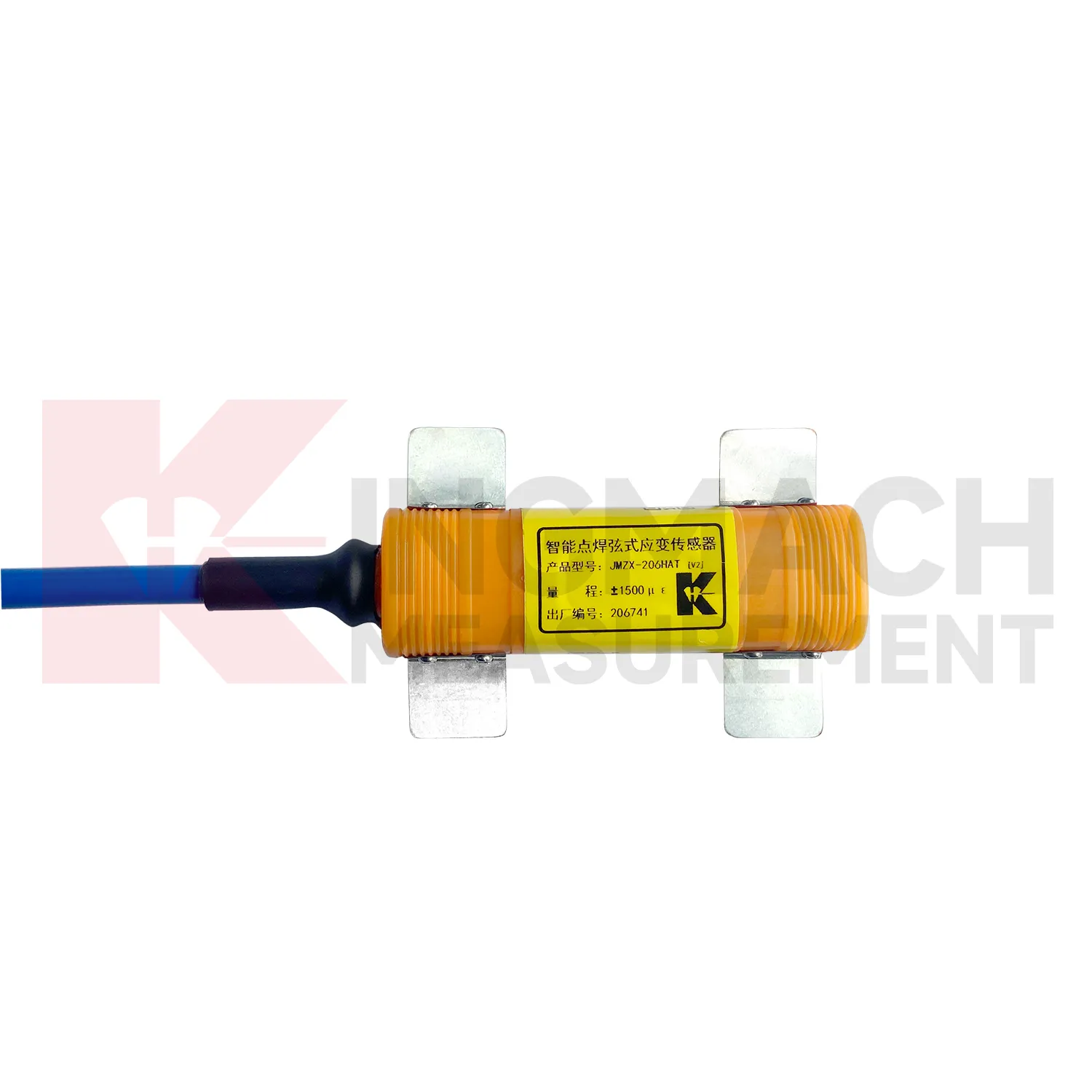
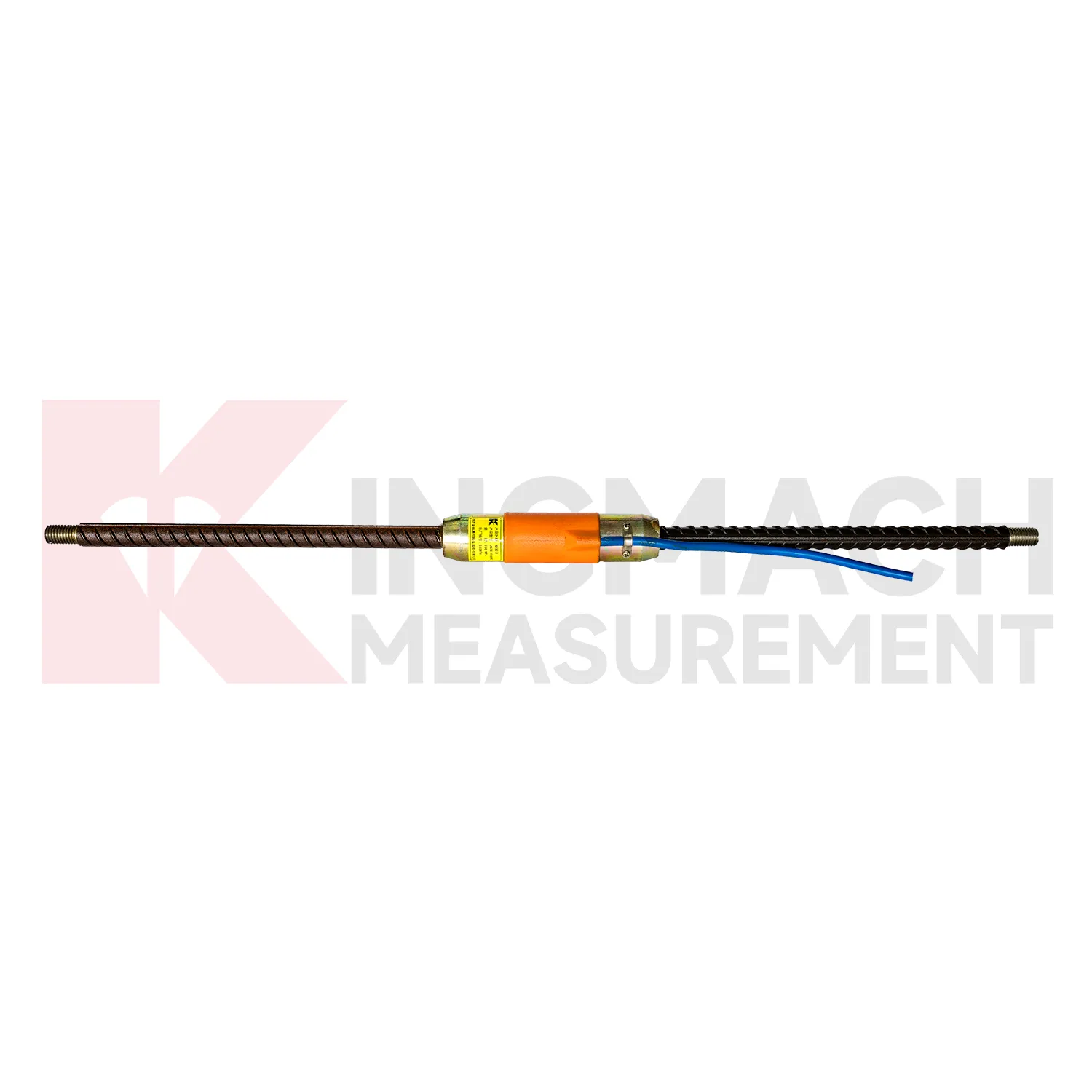
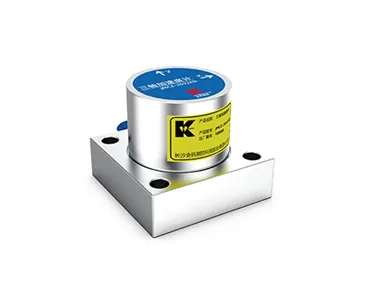
Application of small strain gauge
In railway and subway projects, {keyword} is used to monitor strain in track support structures, station beams, tunnel linings, bridge approaches, concrete slabs, and steel components affected by repeated train loading. The main concern is fatigue and service performance under frequent dynamic loads. Kingmach JMZX-212HAT/HB surface models can read concrete or steel strain with ±2500 microstrain range and 0.5%F.S. accuracy, while JMZX-206HAT welded gauges suit steel beams, pipes, and support members with a -1500 to +2500 microstrain range. Long distance frequency signal transmission and strong anti interference performance are useful around rail power systems and busy construction sites. When combined with vibration, settlement, and displacement data, strain records help maintenance teams check whether structural behavior changes after traffic volume, repair work, or nearby excavation. The pain point is not only measuring strain once. It is keeping a defensible history through construction stages, seasonal movement, repair work, load changes, and maintenance decisions that may happen long after installation. The same record can support staged construction control, post event inspection, and long term maintenance planning. When data is collected automatically, engineers can compare daily movement instead of relying on occasional manual readings. This gives the project team a better way to separate normal behavior from a change that needs inspection.
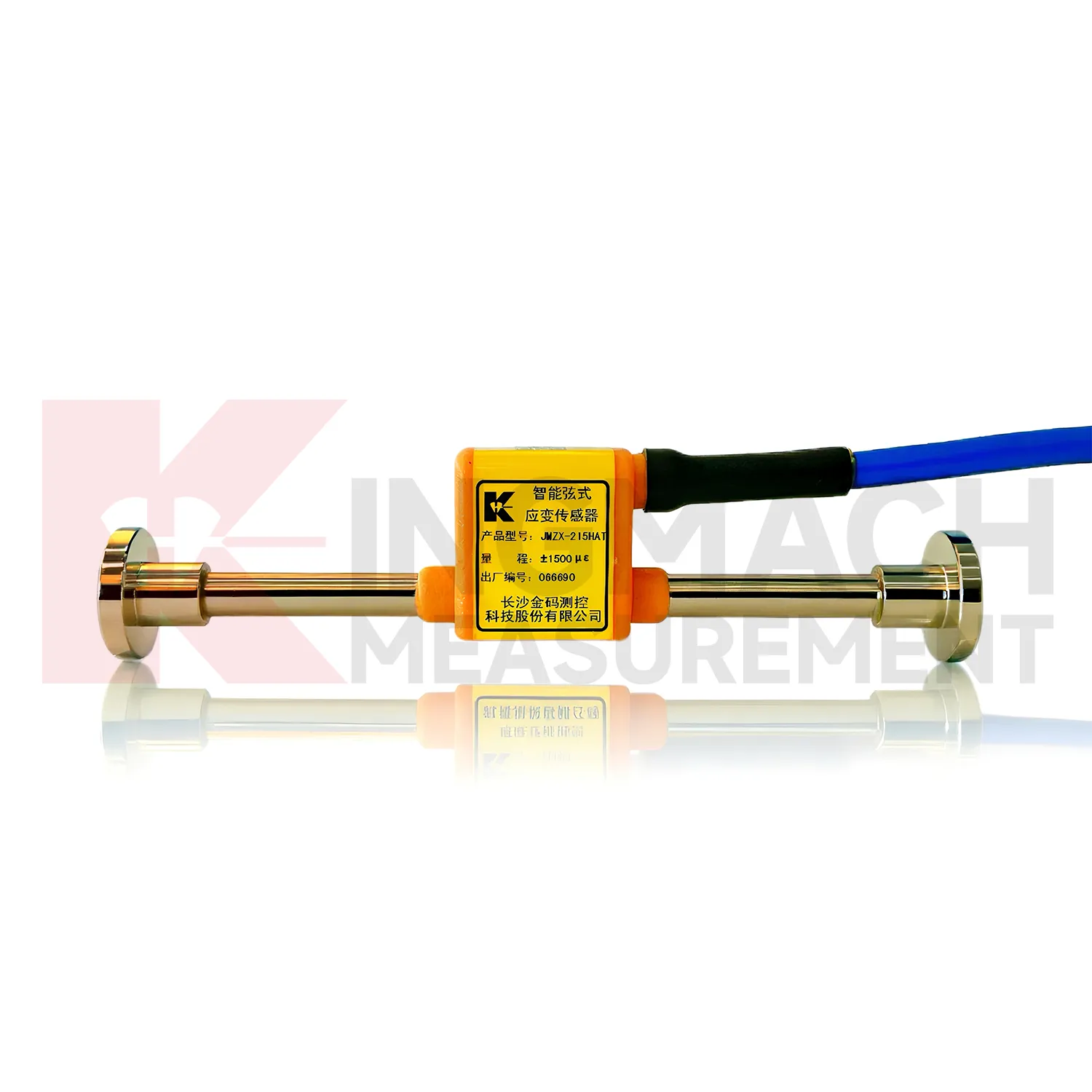
The future of small strain gauge
The future of {keyword} will still depend on practical engineering judgment. IoT, wireless transmission, digital twins, and AI analysis can make data easier to collect, but they do not change the need for correct model selection. A surface gauge, embedded gauge, welded gauge, or rebar strainmeter must match the material, expected strain range, installation access, temperature condition, and service period. Kingmach's range gives engineers several paths: ±2500 microstrain surface monitoring, ±1500 microstrain embedded concrete monitoring, -1500 to +2500 microstrain welded steel monitoring, and -200 MPa to 350 MPa rebar stress monitoring. Future systems will work best when those choices are made before software enters the picture. In that setting, the sensor becomes a long term data source for the asset, while acquisition and analytics tools help engineers read the trend faster. Those improvements fit long term infrastructure monitoring better than one time testing. That path keeps the technology tied to field decisions, not abstract promises.
Care & Maintenance of small strain gauge
For rebar based {keyword}, installation should avoid weakening the reinforced concrete member. Kingmach JMZX-4XXHAT/HB rebar strainmeters are designed so the sensing section has strength matching the corresponding measured steel bar. During installation, confirm bar size, connection method, waterproof protection, and cable routing before the concrete pour. The model covers -200 MPa to 350 MPa with 0.1 MPa sensitivity and 0.5%F.S. accuracy. During long term use, maintenance teams should review stress trends together with concrete age, load changes, settlement, seepage, and temperature. If a channel drops out, check the junction box and cable continuity first because the embedded rebar section is usually not serviceable without structural work. These steps reduce avoidable service calls and help engineers separate real structural behavior from wiring faults, water ingress, acquisition errors, or temperature effects. Compare suspicious readings with nearby channels before repair decisions. Keep these checks in the project log.
Kingmach small strain gauge
{keyword} helps turn the hidden movement of a loaded member into usable engineering data. A bridge girder may flex under traffic, a tunnel lining may respond to ground pressure, and a concrete foundation may shrink or creep during curing. These changes are small, but they matter. Kingmach strain monitoring products are built for this kind of work, with vibrating wire designs, smart acquisition compatibility, and models for surface, embedment, welded, and rebar installation. The same measurement logic also applies when strain readings feed meters, rosettes, load related sensors, or acquisition devices in one monitoring network. What matters is the measured relationship between material deformation and the record that guides inspection, maintenance, and safety review. Whether the monitored point is a vibrating wire sensor, rebar stress meter, or strain based force device, the purpose remains measured structural response. That field record supports later inspection.
FAQ
Q: Where is {keyword} used in bridge monitoring?
A: It can be installed on girders, decks, steel beams, reinforcement, piers, and other stress sensitive locations to track traffic load and fatigue behavior.
Q: How does it help tunnel monitoring?
A: Embedded or welded gauges can read lining strain, support force, reinforcement stress, and ground pressure effects during construction and service.
Q: Can it be used in dams?
A: Yes. Embedded and surface models are used for concrete strain, stress state review, temperature related movement, and long term dam safety monitoring.
Q: Is it useful for foundation pits?
A: Yes. Rebar strainmeters and welded gauges can monitor support stress, anchor force changes, brace behavior, and retaining structure response.
Q: What other sensors are often used with it?
A: Displacement meters, settlement sensors, tiltmeters, piezometers, water level meters, accelerometers, and temperature sensors are often used together.
Reviews
Joshua Clark
We ordered a full monitoring solution including sensors and data loggers. Everything works seamlessly together. Great supplier!
Andrew Lee
The visualization software is intuitive and powerful. It helps us analyze monitoring data efficiently.
Latest Inquiries
To protect the privacy of our buyers, only public service email domains like Gmail, Yahoo, and MSN will be displayed. Additionally, only a limited portion of the inquiry content will be shown.
Sophia***@gmail.comUnited Kingdom
Good day, we need environmental monitoring sensors including temperature, humidity, and wind sensors...
Ava***@gmail.comAustralia
Hi, I am looking for reliable tiltmeters and accelerometers for structural health monitoring. Please...