
 EN
EN
 ar
ar bg
bg hr
hr cs
cs da
da nl
nl fi
fi fr
fr de
de el
el hi
hi it
it ko
ko no
no pl
pl pt
pt ro
ro ru
ru es
es sv
sv tl
tl iw
iw id
id lv
lv lt
lt sr
sr sk
sk sl
sl uk
uk vi
vi et
et hu
hu th
th tr
tr fa
fa ms
ms hy
hy ka
ka ur
ur bn
bn mn
mn ta
ta kk
kk uz
uz ku
ku
Multicore Shielded Test Cable
These Kingmach Multicore Shielded Test Cable are designed for compatibility with measurement equipment across structural monitoring sites. They support stable equipment connection for sensors, data recorders, cabinets, and maintenance upgrades. The product category is described as anti-interference, waterproof, moisture-proof, and wear-resistant, which matches common field demands in bridges, tunnels, slopes, buildings, dams, subgrades, foundation pits, and hydraulic structures. Rather than treating cable as a simple spare part, the category supports installation reliability, signal clarity, and longer equipment service life across monitoring networks.
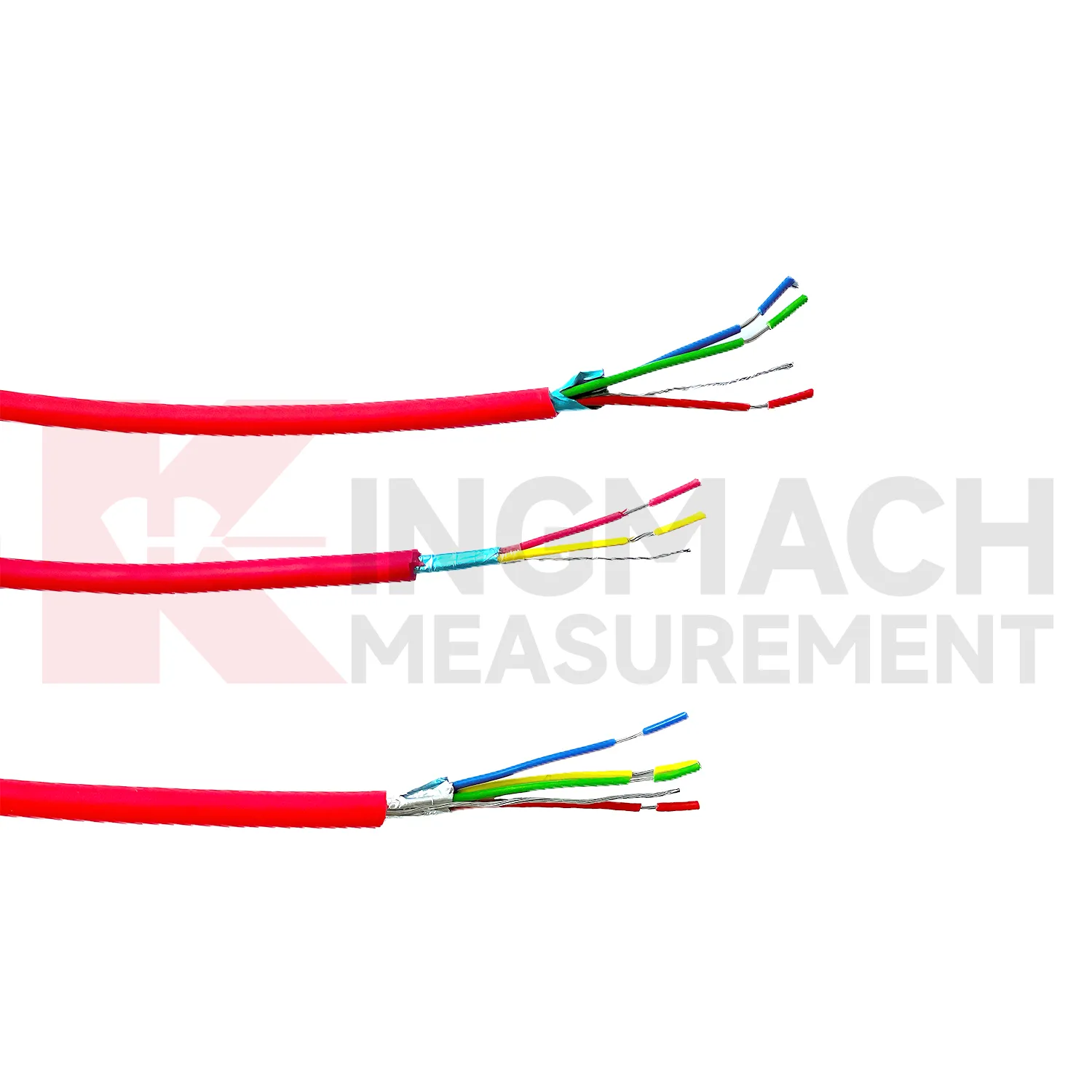
Application of Multicore Shielded Test Cable
Monitoring system upgrades use Kingmach Multicore Shielded Test Cable when old routes must be replaced, extended, or reorganized without losing traceability. A site may add new sensors, move cabinets, change data loggers, or repair damaged lines after years of service. Multi-core shielded and hydraulic cable options allow engineers to plan new routes around channel count, wet exposure, interference, and maintenance access. During upgrade work, recording old and new cable IDs, core assignments, and first stable readings prevents future reviewers from confusing a wiring change with a structural trend.
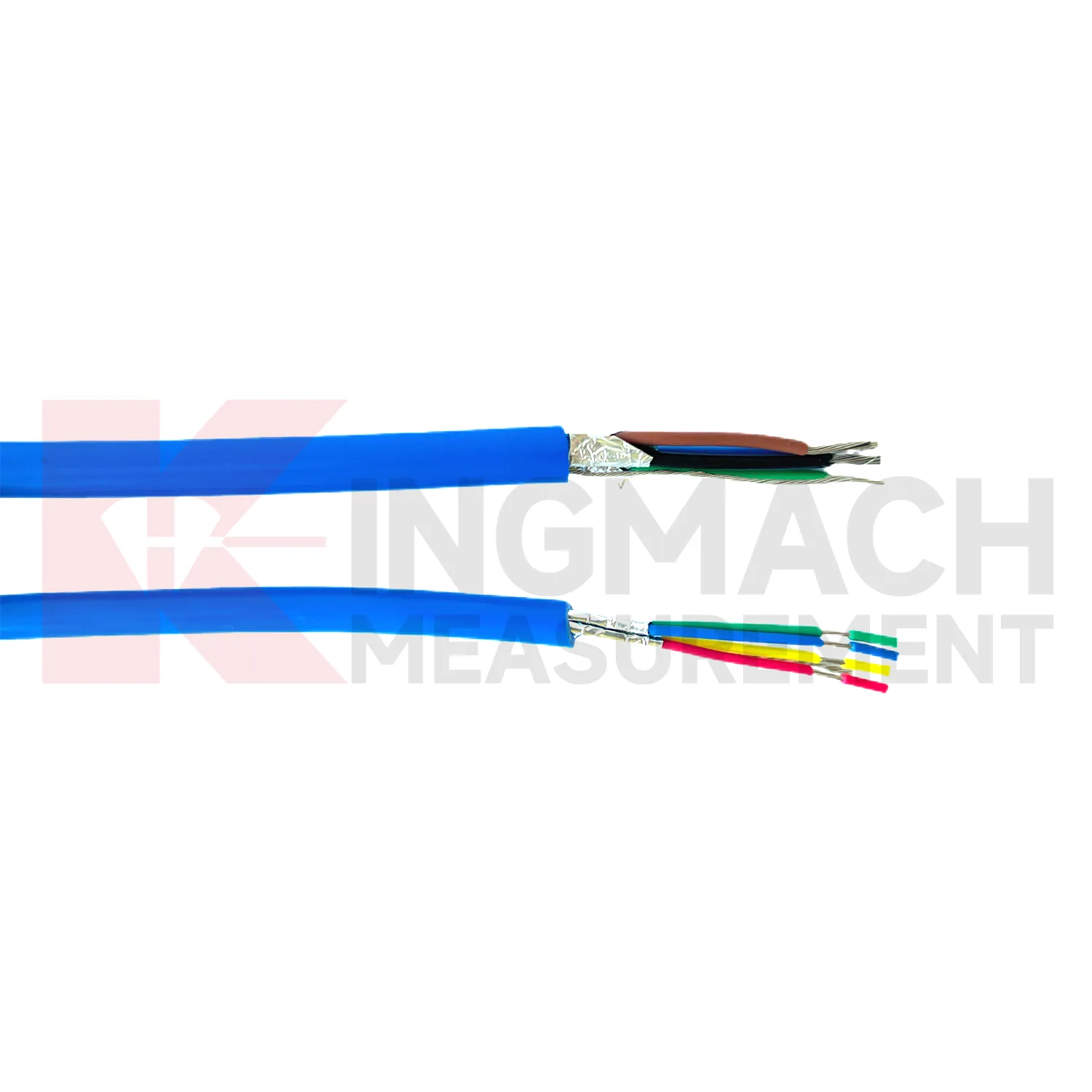
The future of Multicore Shielded Test Cable
More modular monitoring systems will make Kingmach Multicore Shielded Test Cable part of faster deployment work. Field teams may assemble sensor kits, acquisition boxes, and cable sets before arriving on site. Standard core formats and clear delivery lengths can reduce installation errors when time is limited. A pre-planned cable set also helps teams repeat a successful layout across similar bridges, pits, tunnels, or hydraulic structures. The result is a cleaner start-up process and fewer delays during commissioning.
Care & Maintenance of Multicore Shielded Test Cable
Commissioning checks for Kingmach Multicore Shielded Test Cable should include continuity, insulation condition, channel identity, signal stability, and a short observation period under normal site conditions. A single instant reading is not enough when a cable route has just been installed. Watch for drift, intermittent drops, repeated spikes, or channel mixing. If the problem appears only when nearby equipment starts, review routing and shielding. If it appears after rain or washing, review sealing. These checks give the monitoring record a cleaner starting point.
Kingmach Multicore Shielded Test Cable
Kingmach Multicore Shielded Test Cable support the part of a monitoring system that is easy to overlook until a signal becomes unstable. A sensor may be accurate, and a data logger may be working, yet a weak cable route can still introduce noise, moisture risk, or intermittent connection. Instrumentation cable planning therefore belongs near the start of bridge, tunnel, slope, building, dam, foundation pit, and railway monitoring work. The cable has to carry small sensor signals through dust, water, vibration, cabinet bends, and repeated site activity without turning field conditions into false readings. Kingmach supplies test dedicated shielded wire JMZX-XPX and hydraulic cable JMZX-XSX for these duties, giving engineers a practical path for stable connection between sensor points and acquisition equipment.
FAQ
Q: Which core counts are available?
A: The listed options include two-core, three-core, four-core, six-core, seven-core, nine-core, and ten-core versions.
Q: What delivery lengths are shown in the local product data?
A: Two-core to four-core versions are listed as 2 m per piece, while six-core to ten-core versions are listed as 6 m per piece.
Q: Why does shielding matter?
A: Shielding helps reduce electrical interference so weak sensor signals can reach the recorder with less noise.
Q: Why does water resistance matter?
A: Wet cable sections can cause unstable readings or equipment faults if insulation, sealing, and terminations are not handled correctly.
Q: Can the cables be used with different Kingmach instruments?
A: Yes. The category is described as compatible with various monitoring instruments and supports installation, maintenance, and upgrades.
Reviews
Ryan Lewis
Fast delivery and excellent product quality. The accelerometers and tiltmeters are highly reliable. Strongly recommend this company.
Michael Anderson
The strain gauges and load cells are extremely accurate and stable. They performed very well in our bridge monitoring project. Highly recommended!
Latest Inquiries
To protect the privacy of our buyers, only public service email domains like Gmail, Yahoo, and MSN will be displayed. Additionally, only a limited portion of the inquiry content will be shown.
Harper***@gmail.comIndia
Dear Sir, we are planning to procure a complete monitoring system including strain gauges, tiltmeter...
Emma***@gmail.comCanada
Dear Sir/Madam, we are interested in displacement transducers and settlement sensors for a geotechni...
Related product categories
- Hydraulic cable
- Instrumentation Cables
- Sensor Cables
- Twisted Pair Shielded Test Cable
- Doublelayer Shielded Test Cable
- Triplelayer Shielded Test Cable
- Singlelayer Shielded Test Cable
- Multicore Shielded Test Cable
- 2core / 4core / 6core / 8core Hydrological Cable
- Corrosionresistant Hydrological Cable
- Shielded Hydrological Cable
- Multicore Hydrological Cable